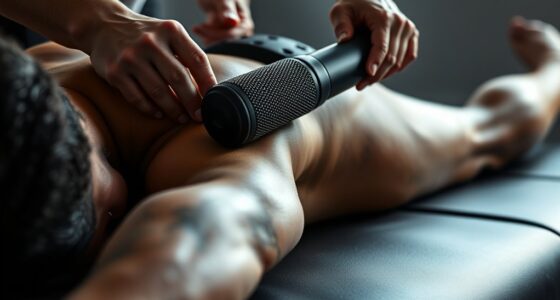
Meta‑analysis shows that percussive therapy can help with short-term muscle soreness, improve blood flow, and enhance flexibility for some users. However, the scientific evidence is mixed, with many studies reporting only limited benefits or results comparable to massage or foam rolling. Effectiveness depends on device settings, treatment duration, and individual differences. To understand how these nuances influence outcomes and what current research suggests, explore further insights below.
Key Takeaways
- Meta-analyses reveal mixed evidence, with some studies showing benefits in muscle recovery and circulation, while others report minimal effects.
- Overall, percussive therapy may improve short-term muscle tension and pain relief but lacks consistent, conclusive support across research.
- Variability in study quality, device settings, and individual differences limit definitive conclusions about its effectiveness.
- Evidence suggests potential benefits in enhancing blood flow and flexibility, yet these findings are not uniformly supported.
- Professional guidance and standardized protocols are recommended due to inconsistent research outcomes.

Percussive therapy has gained popularity as a technique for muscle recovery and pain relief, but the evidence supporting its effectiveness varies across studies. When you use percussive therapy, you’re targeting muscles with rapid, repetitive pulses that aim to loosen tight tissue, reduce soreness, and improve recovery times. Many users report feeling less muscle tension and experiencing quicker relief from soreness after intense workouts. However, scientific research presents a mixed picture, making it essential to examine what the evidence actually suggests about its benefits.
Research indicates that percussive therapy can indeed help with muscle recovery, especially after strenuous activity. Some studies show that it increases blood flow to targeted areas, which can promote healing and reduce the buildup of metabolic waste products that contribute to soreness. This improved circulation can accelerate muscle repair, allowing you to get back to training sooner. Additionally, many athletes and physical therapy patients find that consistent use of percussive devices can help maintain muscle flexibility and reduce the risk of injury. But while these findings sound promising, not all research confirms these benefits uniformly. Some studies report minimal or no significant improvements in muscle recovery markers compared to other recovery methods or no intervention at all.
When it comes to pain reduction, percussive therapy often provides quick, noticeable relief for tense or sore muscles. The mechanoreceptors in your muscles respond to the pulses, helping to block pain signals and decrease muscle tightness. This can be especially beneficial if you’re dealing with localized discomfort from overuse or minor injuries. Many users note that the sensation of percussive therapy feels soothing and helps them loosen stiff muscles, leading to a temporary decrease in pain. Nonetheless, the scientific evidence on pain relief is not entirely conclusive. Some studies suggest that the pain reduction benefits are short-lived or comparable to other manual therapies like massage or foam rolling. The variability in results may depend on factors such as the device’s settings, treatment duration, and individual differences. Moreover, understanding the role of professional guidance is crucial when incorporating percussive therapy into a recovery routine.
Frequently Asked Questions
How Does Percussive Therapy Compare to Other Recovery Methods?
You’ll find percussive therapy effective for muscle recovery and pain relief, often outperforming traditional methods like stretching or massage. It targets deep tissues quickly, reducing soreness and enhancing circulation. Compared to other recovery techniques, percussive therapy offers faster relief and deeper muscle engagement. You’ll appreciate its convenience and ability to improve overall recovery, especially when combined with other methods. It’s a versatile tool for optimizing your post-exercise recovery.
Are There Long-Term Risks Associated With Percussive Therapy?
You might wonder about long-term risks associated with percussive therapy, but current evidence suggests it’s generally safe when used properly. However, safety considerations include avoiding overuse, especially on sensitive areas or injury sites. Long-term risks are minimal if you follow recommended guidelines. Still, it’s wise to consult a healthcare professional if you have underlying conditions or experience persistent discomfort, ensuring safe and effective use over time.
What Populations Benefit Most From Percussive Therapy?
You might think only athletes benefit from percussive therapy, but surprisingly, elderly populations gain just as much. If you’re aiming to boost athletic performance or improve mobility and pain relief in older adults, this therapy can be a game-changer. It helps enhance circulation, reduce stiffness, and accelerate recovery. So, whether you’re chasing records or easing age-related discomfort, this therapy’s benefits extend well beyond the gym.
How Do Different Device Settings Affect Therapy Outcomes?
You can improve your therapy outcomes by customizing device settings and optimizing intensity. Adjusting parameters like frequency and pressure allows you to target specific muscle groups effectively. Higher intensity may provide deeper relief, but it’s essential to find a balance that suits your comfort level. By focusing on device customization and intensity optimization, you get a more personalized experience that enhances relaxation, reduces soreness, and boosts overall effectiveness.
Is Percussive Therapy Effective for Chronic Pain Management?
If you suffer from chronic pain, percussive therapy can be effective for muscle relaxation and pain reduction. For example, a person with chronic back pain used a percussive device daily, experiencing decreased muscle tension and pain over several weeks. This therapy helps break up tight muscles, promoting relaxation and easing discomfort. While results vary, many find consistent use offers meaningful relief and improved mobility.
Conclusion
Based on this meta‑analysis, you’re basically wielding a superhero’s hammer for muscle recovery! The evidence shows percussive therapy can blast away soreness faster than you’d believe, turning your post-workout pain into a distant memory. Imagine a tool so powerful it feels like a gentle thunderstorm massaging your muscles into submission. If you’re looking for a game-changer, this therapy could transform your recovery routine into an unstoppable force of healing!