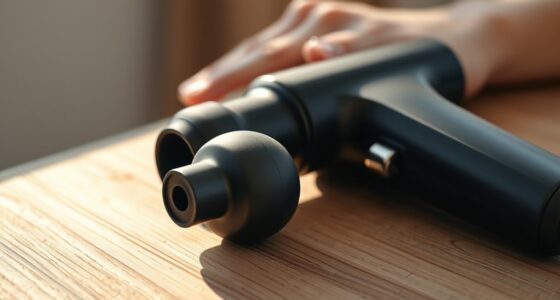
Percussive therapy shows promise as a non-invasive way to manage chronic pain by helping muscles relax and reducing nerve pressure. It works through deep tissue pulses that can enhance tissue health and modify nervous system responses, potentially easing discomfort from conditions like fibromyalgia. While some evidence supports its benefits, more research is needed to confirm its full effectiveness. Exploring further can give you a clearer picture of how this therapy might fit into your pain management plan.
Key Takeaways
- Emerging evidence indicates percussive therapy can improve muscle tissue health, potentially reducing chronic pain symptoms.
- It offers a non-invasive, drug-free option that may help alleviate muscle tension linked to chronic discomfort.
- Regular use may modulate nervous system responses, influencing pain perception and providing relief.
- Studies suggest percussive therapy can decrease muscle tightness and nerve pressure, addressing underlying pain causes.
- While promising, more research is needed to fully confirm its long-term effectiveness for chronic pain management.
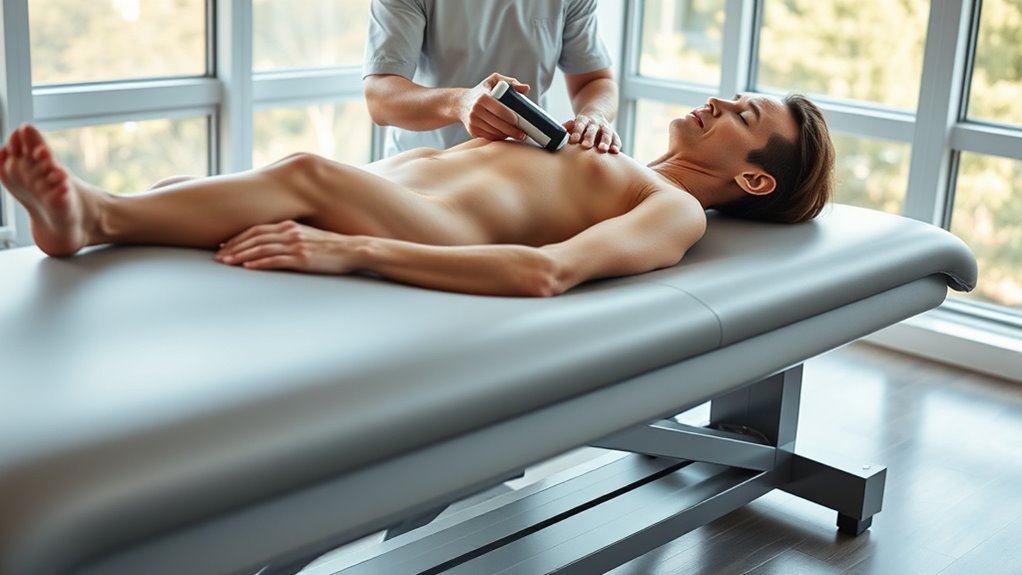
Have you ever wondered if there’s a non-invasive way to manage chronic pain effectively? Percussive therapy might be just what you’re looking for. This technique uses rapid, targeted pulses delivered through a specialized device, aiming to stimulate your muscles and nervous system. Its primary goal is to promote muscle relaxation and facilitate pain modulation, helping to alleviate discomfort without the need for medication or invasive procedures. When you use percussive therapy, you might notice your muscles loosen up more quickly, reducing tension that often worsens chronic pain. This relaxation isn’t just about comfort; it plays a vital role in pain management by interrupting pain signals and calming overactive nerve pathways.
The mechanism behind percussive therapy’s effectiveness centers on its ability to induce muscle relaxation. When you apply the device to a sore or tense area, the repetitive pulses penetrate deep into your tissues, encouraging your muscles to relax. This relaxation can decrease muscle tightness and stiffness, common culprits in chronic pain conditions like fibromyalgia or myofascial pain syndrome. As your muscles loosen, the pressure on surrounding nerves diminishes, which may lead to a reduction in pain signals sent to your brain. This process is a form of pain modulation—altering how your nervous system perceives and responds to pain stimuli. Instead of focusing solely on symptom relief, percussive therapy addresses some of the root causes of persistent discomfort by improving tissue health and nervous system function. Additionally, evidence suggests that regular use may positively influence muscle tissue health, further supporting pain reduction efforts.

Opove M3 Pro 2 Massage Gun Deep Tissue Percussion Muscle Massager for Workout, Percussive Therapy Fascia Gun for Athletes Fast Recovery, 30 Days Long Battery Life, 70lbs Stall Force, Space Gray
Opove M3 Pro had sold more than 500,000 units all over the world since its launch. It has…
As an affiliate, we earn on qualifying purchases.
As an affiliate, we earn on qualifying purchases.
Frequently Asked Questions
How Long Should Each Percussive Therapy Session Last?
You should aim for percussive therapy sessions lasting about 1 to 2 minutes per muscle group. Keep in mind, session duration varies based on your personalized treatment plan and comfort level. Start with shorter durations to gauge your response, and gradually extend if needed. Listening to your body helps prevent overstimulation. Always follow your healthcare provider’s recommendations for maximum results and safety during percussive therapy.
Are There Any Risks or Side Effects Associated With Percussive Therapy?
You should know that percussive therapy can sometimes cause muscle overstimulation or skin irritation. About 10% of users report skin redness or discomfort after sessions. While generally safe, overuse may lead to muscle fatigue or soreness. Always follow recommended guidelines, avoid applying too much pressure, and listen to your body. If you experience persistent pain or irritation, consult a healthcare professional to prevent potential risks.
Can Percussive Therapy Replace Traditional Pain Treatments?
Percussive therapy can’t fully replace traditional pain treatments, but it can effectively support muscle recovery and pain management. You might find it helpful as a complementary tool to reduce soreness and improve circulation, aiding your overall recovery. However, for chronic pain, consulting a healthcare professional remains essential, as personalized treatments may be necessary. Use percussive therapy alongside other therapies for the best results.
Is Percussive Therapy Suitable for All Types of Chronic Pain?
Percussive therapy isn’t suitable for all types of chronic pain, but it can support muscle recovery and injury prevention when used appropriately. If your pain stems from muscle tightness or soreness, this therapy might help ease discomfort and improve flexibility. However, for nerve-related or inflammatory pain, consult a healthcare professional first. Always listen to your body and avoid overusing percussive devices to prevent aggravating your condition.
How Often Should Percussive Therapy Be Used for Optimal Results?
You should use percussive therapy 3 to 5 times a week for ideal results. Stick to the recommended frequency guidelines to avoid overuse or irritation. Each session typically lasts about 1 to 2 minutes per muscle group, ensuring you don’t overdo it. Pay attention to your body’s response, and adjust session duration and frequency accordingly to maximize benefits without causing discomfort.

cotsoco Massage Gun Deep Tissue, Muscle Massage Gun with 9 Attachment Heads 20 Speeds & Silent Brushless Motor for Pain Relief, Handheld Percussion Back Massager Gun, Fathers Day Dad Gifts(Black)
Portable & Super Quiet:You are able to enjoy this portable massage gun in settings such as the airport,…
As an affiliate, we earn on qualifying purchases.
As an affiliate, we earn on qualifying purchases.
Conclusion
While percussive therapy promises relief, current evidence emphasizes exploring its effectiveness for chronic pain. You might find fleeting freedom from soreness, but consistent care is vital. Don’t dismiss diligent dedication; instead, delve into diligent research and discuss with your doctor. Remember, therapy’s true triumph lies in tailored treatments and time. Trust in the journey, and with patience and persistence, you could pave your path to pain relief.

TENS 7000 Digital TENS Unit with Accessories – Muscle Stimulator Machine for Back Pain Relief, Sciatica, Neck, Nerve, Shoulder, Hip, Elbow, Muscle Pain Relief
Need Prescription Strength Pain Relief? A TENS unit muscle stimulator and TENS machine that provides pain relief, acts…
As an affiliate, we earn on qualifying purchases.
As an affiliate, we earn on qualifying purchases.
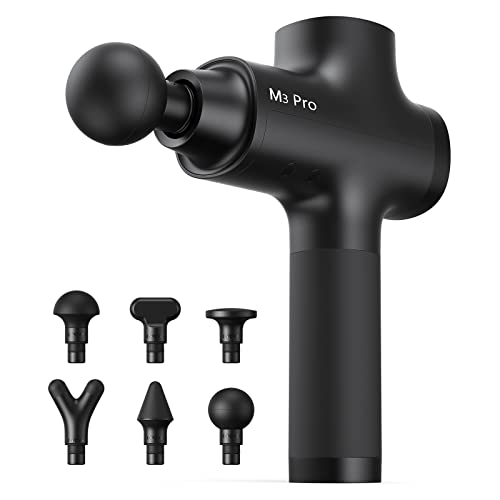
Opove M3 Pro 2 Massage Gun Deep Tissue Percussion Muscle Massager for Workout, Handheld Percussive Therapy Fascia Gun for Athletes Fast Recovery 4-8 Hours Long Battery Life, Powerful, Quiet, Black
You Get What You Pay For – We work out daily and invest a lot of time and…
As an affiliate, we earn on qualifying purchases.
As an affiliate, we earn on qualifying purchases.