
TL;DR
Tiny Buddha published a personal essay identifying five habits its author says can make a stressful day feel harder: prolonged scrolling, suppressing emotions, treating stress as personal failure, and two further habits the supplied source excerpt does not include. The essay offers personal reflections and suggestions, not research findings; the complete list and evidence behind its claims are not available in the source material provided.
Tiny Buddha has published a personal essay describing habits its author says can make recovery after a stressful day more difficult, including prolonged social-media scrolling, suppressing emotions and treating stress as a personal failure. The supplied source excerpt includes only the first three of the promised five habits, so the remaining two cannot be verified from the material available.

Get workout gear delivered free with Prime
- Fast, free delivery on millions of items
- Prime Video, Amazon Music and more included
- Member-only deals all year
The essay is framed as the author’s personal experience, not as a study or clinical guide. It opens with memories of contrasting childhood homes: one orderly but emotionally cold, the other warm and creative. The author says their grandmother’s example taught them that some activities work better when guided by enjoyment rather than obligation, and that home can be a place to rest after a difficult day.
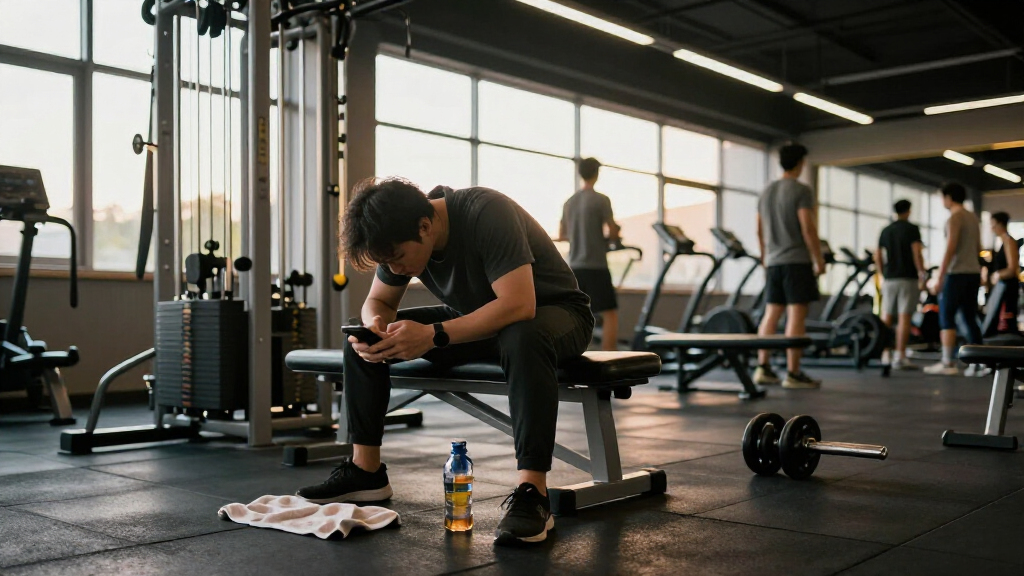
For the first habit, scrolling for extended periods, the author describes picking up a phone for a few minutes and continuing much longer. They say that this can leave them more overwhelmed rather than rested, and suggest low-stimulation alternatives such as making tea, watching the sunset, sitting by an open window or taking a bath or shower. These are the author’s suggestions, not demonstrated treatments for stress.
The second habit is ignoring or minimizing emotions. The essay argues that repeatedly postponing attention to feelings may leave them unaddressed, and recommends acknowledging a difficult day instead of insisting everything is fine. The third is interpreting stress as a personal failure. The author suggests asking what contributed to feeling overwhelmed, including excess demands or weakened boundaries. The excerpt ends before habits four and five are described.
How the Advice Applies to Stress
The piece speaks to a common after-work dilemma: whether to keep distracting oneself or make space to recover. Its practical value lies in offering simple, low-cost ideas—a quiet pause, a comforting activity or naming a difficult feeling—that readers can consider for themselves. The essay also shifts attention from self-blame toward possible pressures and boundaries.
Its limits matter too. The source is a personal essay, and the supplied text does not cite research, provide clinical guidance or establish that the habits cause worse outcomes for everyone. Readers should understand the recommendations as the writer’s perspective, not universal rules. Stress can have many sources, and individual needs differ.
Products Worth Considering

Therabody Theragun Relief Massage Gun, 3-Speed, Navy

Oura Ring 4 Smart Ring, Silver, Size 8

Levoit Vital 100S-P Air Purifier with Washable Pre-Filter
As an affiliate, we earn on qualifying purchases.
A Personal Essay, Not a Study
The source, published by Tiny Buddha under the title “5 Harmful Habits That Make a Stressful Day Even Worse,” combines childhood memories with advice about winding down. The author contrasts a home organized around obligation with a grandmother’s home, where activities such as baking, sewing and gardening were pursued for pleasure. That contrast sets up the essay’s theme of balance after a demanding day.
The article’s introduction promises five habits and healthier alternatives. However, the supplied source material stops partway through the third habit. It gives no publication date, author name, expert interviews or cited studies. This report therefore describes only the claims and details present in the provided excerpt, without filling in the missing list items.
“You have to endure it. That’s how everyone lives.”
— The author’s mother, as recalled in the essay
Two Habits Are Missing
The supplied excerpt ends during the third habit, so habits four and five and their suggested alternatives are not available to verify. The material also does not identify the author or publication date, and provides no independent evidence for the essay’s broader statements about stress, emotions or scrolling. Those points should be treated as the author’s views, not established findings.
The Complete List Needs Checking
Readers seeking all five habits would need to consult the full Tiny Buddha article; the excerpt supplied here is incomplete. No further publication, expert response or research finding is included in the source material, so there is no confirmed follow-up to report. Until the full text is available, only the first three habits can be summarized responsibly.
Key Questions
What are the habits identified in the available excerpt?
The excerpt identifies extended scrolling, ignoring or minimizing emotions, and treating stress as a personal failure. It does not include the fourth or fifth habits.
Does the essay provide scientific evidence?
Not in the supplied material. It is presented as a first-person essay and does not cite studies or expert sources in the excerpt.
What alternatives does the author suggest to scrolling?
The author suggests quieter activities such as making tea, watching the sunset, sitting by an open window or taking a bath or shower. These are personal recommendations, not proven treatments.
What does the author mean by acknowledging emotions?
The essay encourages people to name a difficult experience—for example, saying “Today was hard”—rather than automatically pretending to be fine or continually putting feelings off.
Source: rss