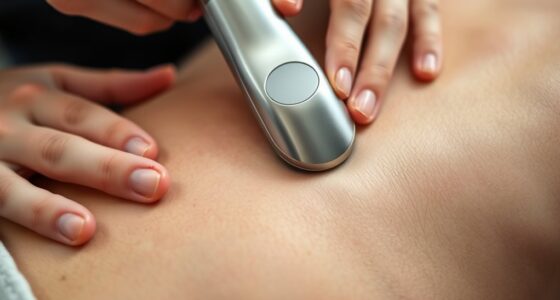

DOMS stands for Delayed-Onset Muscle Soreness, which is the muscle pain and stiffness that shows up hours to days after intense or unfamiliar exercise. It happens because tiny tears develop in your muscle fibers, causing inflammation and fatigue. This soreness indicates your muscles are repairing and growing stronger, not injured. If you want to understand how to manage and recover from DOMS effectively, keep exploring more tips and strategies.
Key Takeaways
- DOMS stands for Delayed-Onset Muscle Soreness, occurring days after intense or new exercise.
- It results from tiny tears in muscle fibers and the body’s inflammatory response.
- Soreness signals muscles are repairing, not necessarily indicating injury.
- Common symptoms include muscle tightness, tenderness, and reduced strength.
- Recovery strategies like rest, hydration, stretching, and massage help reduce DOMS.

Have you ever experienced muscle soreness a day or two after working out and wondered what it really means? That familiar ache, stiffness, or tenderness isn’t just a sign of pushing yourself too hard; it’s a natural part of exercise recovery. This soreness, known as DOMS—Delayed-Onset Muscle Soreness—occurs as your muscles adapt to new or intense activity. When you challenge your muscles, tiny tears form in the muscle fibers, leading to muscle fatigue. These microtears trigger an inflammatory response, which causes that delayed soreness you feel days later. Understanding what DOMS signifies can help you better interpret your body’s signals and optimize your training.
During exercise, your muscles undergo stress, and while you may feel strong and energized during your workout, the aftereffects tell a different story. The soreness is a sign that your muscles are repairing and rebuilding, a crucial part of exercise recovery. When muscles recover from fatigue, they often become stronger and more resilient. But the soreness itself is a temporary indicator of how much strain your muscles endured. It’s not necessarily a sign of injury but rather a normal response to increased or unfamiliar activity. Recognizing this helps you avoid rushing back into intense workouts too soon, which can lead to overtraining or injury.
As you experience DOMS, you might notice that your muscles feel tight and weak, especially when performing movements similar to your workout. This muscle fatigue results from the accumulation of metabolic waste products and the damage to muscle fibers. To facilitate proper exercise recovery, it’s essential to give your muscles adequate time to heal. Rest, hydration, and gentle activity like stretching or light cardio can promote blood flow, helping to deliver nutrients and remove waste products more efficiently. Incorporating proper recovery techniques such as foam rolling or massage can also significantly reduce soreness and aid in faster recovery. Over time, this process reduces soreness and enhances your muscle strength and endurance.
As an affiliate, we earn on qualifying purchases.
Frequently Asked Questions
Can DOMS Occur Without Intense Exercise?
Yes, DOMS can occur without intense exercise. Some exercise myths suggest you need extreme workouts for soreness, but even light activities or new movements can cause DOMS. You might experience it from improper form or sudden increases in activity. To manage this, focus on recovery strategies like gentle stretching, hydration, and rest. Recognizing that DOMS isn’t always linked to intensity helps you stay safe and avoid overtraining.
How Long Does DOMS Typically Last?
You’ll usually notice DOMS lasting between 24 to 72 hours after exercise. During this period, your body undergoes exercise recovery and muscle adaptation, which helps reduce soreness over time. Factors like workout intensity, your fitness level, and how well you recover influence how long DOMS persists. To speed up recovery, stay active with light movement, hydrate, and guarantee proper nutrition, supporting your muscles’ healing and adaptation process.
Is DOMS a Sign of Injury or Overtraining?
No, DOMS isn’t a sign of injury or overtraining. It’s a normal response to muscle fatigue and exercise adaptations, signaling your muscles are adjusting after new or intense workouts. While soreness can feel uncomfortable, it’s usually temporary and part of the process of strengthening muscles. However, if pain is sharp or persistent, it could indicate injury, so listen to your body and give yourself time to recover.
Can DOMS Be Prevented With Proper Warm-Up?
A proper warm-up routine can substantially help prevent DOMS by gradually increasing blood flow and loosening muscles, enabling your body to handle workout stress better. While it may not completely eliminate soreness, warm-ups are essential for injury prevention and preparing your muscles for activity. Incorporate dynamic stretches and light cardio to prime your muscles, reducing the likelihood of delayed-onset muscle soreness and promoting safer, more effective workouts.
Does DOMS Affect Muscle Strength Temporarily?
Yes, DOMS can temporarily affect your muscle strength because pain perception influences how you use your muscles during recovery. When you’re sore, you might hold back or avoid certain movements, which hampers muscle recovery. This temporary weakness can last a few days, but with proper rest and gentle activity, your strength will return. Be mindful of pain perception and avoid pushing through severe soreness to promote ideal recovery.
As an affiliate, we earn on qualifying purchases.
Conclusion
Now that you know what DOMS really is, think of it as your body’s way of sending a love letter—a reminder that you’ve pushed your muscles to grow stronger. While it might feel like a storm brewing in your muscles, it’s just a sign you’re making progress. So, embrace the soreness as a badge of honor, knowing that each ache is a stepping stone toward your fitness goals. Keep moving, and let your muscles thank you later!
As an affiliate, we earn on qualifying purchases.
stretching bands for muscle soreness
As an affiliate, we earn on qualifying purchases.
As an affiliate, we earn on qualifying purchases.