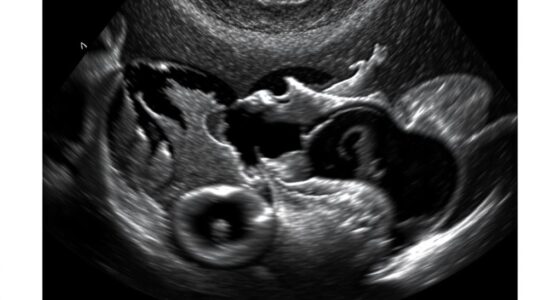
Adhesions are bands of dense scar tissue that form after injury or surgery, causing pain and limiting movement. Percussive therapy delivers rapid, targeted pulses deep into tissues to help loosen and break up these adhesions. It promotes better blood flow, reduces stiffness, and encourages the remodeling of scar tissue into more flexible forms. If you want to learn how this therapy can help restore your mobility and comfort, keep exploring the options available.

Get workout gear delivered free — and shop member deals
- Fast, free delivery on millions of items
- Access to Prime Big Deal Days deals on October 6–7
- Prime Video, Amazon Music and more included
Key Takeaways
- Adhesions are bands of scar tissue that form after injury or surgery, causing restricted movement and discomfort.
- Percussive therapy delivers deep, targeted pulses that help loosen and break up existing adhesions.
- This therapy promotes increased blood flow and tissue remodeling, making scar tissue more flexible and less dense.
- Regular use of percussive therapy can reduce pain, stiffness, and improve overall mobility by supporting scar tissue healing.
- Combining percussive therapy with hydration, stretching, and proper care enhances the breakdown of adhesions and restores normal tissue function.

Adhesions are bands of scar tissue that form after injury or surgery, often causing pain and restricted movement. When tissues heal, your body sometimes produces excess fibrous tissue that connects organs or muscles that shouldn’t be linked. This can lead to discomfort, limited flexibility, and even interfere with normal bodily functions. The good news is that you can take steps to promote adhesion prevention and support effective scar tissue remodeling. By understanding how adhesions develop and how percussive therapy can help, you empower yourself to manage and potentially reduce their impact.
Preventing adhesions begins with careful post-injury or post-surgical care. Keeping tissues mobile and promoting good circulation encourages proper healing and reduces the likelihood of dense scar tissue formation. Techniques like gentle stretching, targeted exercises, and physical therapy may assist in adhesion prevention by maintaining tissue flexibility. Additionally, some therapies aim to break down early scar tissue before it becomes dense and problematic. When adhesions are caught early, it’s often easier to prevent their consolidation, which can limit future pain and mobility issues.
Percussive therapy supports scar tissue remodeling by delivering rapid, targeted pulses deep into affected tissues. These rhythmic vibrations help loosen and break up existing adhesions, making it easier for your body to reorganize and remodel scar tissue into more flexible, less restrictive forms. The mechanical impact of percussive devices promotes increased blood flow and lymphatic drainage in the area, which are essential for healing and tissue repair. As you use percussive therapy consistently, you may notice a reduction in localized pain and stiffness, as well as improved range of motion. It’s like giving your tissues a gentle massage that encourages healing from the inside out.
Using percussive therapy isn’t just about breaking up existing scar tissue; it also supports the ongoing process of scar tissue remodeling. As the therapy stimulates your tissues, it can signal your body to produce healthier, more organized collagen fibers, leading to less dense, more pliable scar tissue over time. This process not only alleviates discomfort but also helps restore normal tissue function. Furthermore, understanding the role of vascular health in healing can enhance the effectiveness of percussive therapy. To maximize benefits, combine percussive therapy with proper hydration, nutrition, and targeted stretching exercises, all of which contribute to healthy tissue regeneration.
percussive massage device for scar tissue
As an affiliate, we earn on qualifying purchases.
As an affiliate, we earn on qualifying purchases.
Frequently Asked Questions
Can Adhesions Cause Long-Term Pain Without Injury?
Yes, adhesion causes can lead to long-term pain even without injury. If adhesions form, they can cause chronic pain by restricting movement and irritating surrounding tissues. You might notice persistent discomfort that doesn’t improve over time, impacting your daily life. Percussive therapy can help break up scar tissue and adhesions, alleviating that chronic pain. Addressing adhesions early is key to reducing long-term discomfort and improving mobility.
How Quickly Can Percussive Therapy Reduce Adhesion Symptoms?
You might notice relief within a few sessions, as percussive therapy encourages adhesion healing by breaking up scar tissue gently. Consistent therapy frequency accelerates symptom reduction, often showing improvements in just a couple of weeks. Keep in mind, individual healing rates vary, but regular sessions can considerably ease discomfort and restore mobility. Stay committed to your treatment plan, and you’ll likely see positive changes sooner than you expect.
Are There Any Risks or Side Effects From Percussive Therapy?
You might experience some risks or side effects from percussive therapy, but they’re usually mild. It promotes muscle relaxation and tissue stimulation, helping reduce discomfort. However, avoid using it on broken skin, inflamed areas, or over bony prominences to prevent bruising or soreness. If you feel persistent pain or unusual reactions, stop and consult a healthcare professional. Always follow recommended guidelines to guarantee safe, effective treatment.
Is Percussive Therapy Suitable for All Types of Adhesions?
Percussive therapy is effective for many adhesion types, especially those involving superficial or accessible scar tissue. However, its effectiveness varies depending on adhesion location, density, and whether they’re recent or longstanding. It’s not suitable for all types, particularly deep or complex adhesions near sensitive structures. You should consult a healthcare professional to assess your specific adhesion type and determine if percussive therapy will help you effectively.
How Does Percussive Therapy Compare to Other Adhesion Treatments?
When comparing percussive therapy to other adhesion treatments, you’ll find it’s a gentle alternative to manual techniques and surgical options. Unlike invasive procedures, it offers a non-intrusive way to encourage tissue mobility and reduce discomfort. While manual techniques and surgery may target stubborn adhesions more directly, percussive therapy provides a relaxing, accessible option for ongoing maintenance and relief, making it a versatile choice for many seeking gentle care.
As an affiliate, we earn on qualifying purchases.
Conclusion
Just like a skilled sculptor gently frees a masterpiece from its marble, percussive therapy can help break down stubborn adhesions and scar tissue. By targeting these hidden barriers, you regain your body’s freedom and mobility. Remember, with patience and the right technique, you’re opening the door to a more comfortable, pain-free life—kind of like rediscovering a lost treasure within yourself. Embrace the process, and watch your body’s natural harmony return.
adhesion breaking therapy device
As an affiliate, we earn on qualifying purchases.
As an affiliate, we earn on qualifying purchases.
muscle recovery percussion massager
As an affiliate, we earn on qualifying purchases.
As an affiliate, we earn on qualifying purchases.
Fall Picks
fall essentials
As an affiliate, we earn on qualifying purchases.