Percussion therapy targets muscle spasm and trigger points by delivering rapid, rhythmic pulses that promote myofascial release and increase blood flow. This helps loosen knots, reduce tightness, and break down adhesions within muscle tissue. As a result, trigger points are released, and referred pain diminishes, allowing muscles to relax and restore normal function. Keep exploring how this technique can help you manage pain and enhance mobility effectively.
Key Takeaways
- Percussion therapy loosens fascia and muscle knots, directly targeting trigger points to reduce muscle spasms.
- It stimulates blood flow, delivering nutrients and removing waste, which alleviates soreness and decreases spasm frequency.
- Rhythmic tapping helps release persistent trigger points, decreasing referred pain and muscle tightness.
- Regular use softens tissue, restores normal muscle function, and prevents the formation of new trigger points.
- Overall, percussion enhances tissue flexibility and mobility, supporting muscle relaxation and reducing spasm episodes.
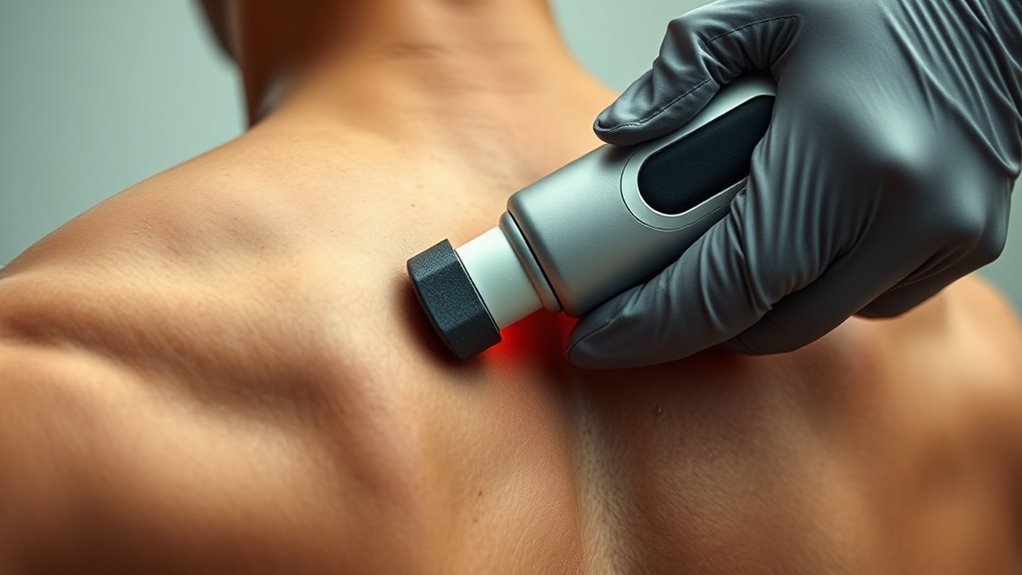
Percussion therapy has gained popularity as an effective technique for alleviating muscle spasms and reducing trigger points. When you use percussion devices, you’re fundamentally delivering rapid, targeted pulses to tight or sore muscles. This process promotes myofascial release, which helps loosen the fascia—the connective tissue surrounding muscles—allowing for better movement and less discomfort. As you experience these rhythmic taps, you’ll notice a reduction in tension and a loosening of knots that contribute to pain and restricted mobility. The primary goal here is pain relief, and percussion therapy is a powerful tool in achieving that.
By applying percussion therapy correctly, you stimulate blood flow to the affected area. Increased circulation delivers oxygen and nutrients to muscles while flushing out metabolic waste products that can cause soreness and inflammation. As a result, you may find that muscle pain diminishes more quickly, and recovery times improve. This process also helps break up adhesions within the muscle tissue, which often contribute to persistent trigger points—those small, tender areas that refer pain to other parts of your body. When trigger points are released, you experience less referred pain, making daily activities more comfortable.
One of the key benefits of percussion therapy is its ability to facilitate myofascial release without invasive procedures. As you use the device or receive treatment, you’re basically helping your body undo the tightness and restrictions that have built up over time. This release not only alleviates pain but also restores normal muscle function, allowing you to move more freely and with less discomfort. The deep, rhythmic pulses help soften the fascia and muscle tissue, making it easier to stretch and strengthen these areas afterward.
Moreover, percussion therapy’s role in pain relief extends beyond just temporary comfort. Regular sessions can help prevent the formation of new trigger points and muscle spasms by maintaining tissue flexibility and health. When you incorporate percussion into your routine, you’re actively working to keep your muscles supple and reduce the likelihood of chronic pain conditions developing. This proactive approach helps you stay more mobile and less prone to injury.
In essence, percussion therapy offers a targeted, efficient way to address muscle spasms and trigger points. By promoting myofascial release and enhancing blood flow, it provides significant pain relief and supports your overall muscle health. Whether you’re recovering from injury or managing ongoing discomfort, this technique can be a valuable addition to your pain management and wellness strategies. Understanding of muscle tissue

Elefor Massage Gun Deep Tissue,Percussion Back Massager Gun for Athletes Muscle Massage Gun for Pain Relief with 8 Massage Heads & 20 Speeds (Matte Black)
[Multifunctional massage gun] The deep tissue massage gun has 8 different massage heads, each of which is aimed…
As an affiliate, we earn on qualifying purchases.
As an affiliate, we earn on qualifying purchases.
Frequently Asked Questions
How Long Does It Take to See Results From Percussion Therapy?
You can typically see results from percussion therapy after just a few sessions, especially with consistent treatment. Each session usually lasts 10 to 20 minutes, depending on your needs. For maximum benefits, it’s recommended to follow a treatment plan with regular sessions, such as weekly or bi-weekly, to reduce muscle spasm and trigger points effectively. Your progress may vary based on individual response and condition severity.
Are There Any Risks Associated With Percussion Therapy?
Sure, percussion therapy’s risks include muscle fatigue and skin irritation—because who doesn’t love a little extra soreness or red spots? While generally safe, you might experience discomfort if you press too hard or overdo it. Be cautious, especially if you have skin sensitivities or underlying conditions. Always listen to your body, and consult a professional if you notice persistent pain or unusual reactions.
Can Percussion Therapy Be Used Alongside Other Treatments?
Yes, you can use percussion therapy alongside other treatments. It works well as a complementary modality, enhancing your overall treatment plan. Just make certain your healthcare provider approves treatment integration to avoid any conflicts or risks. Combining percussion therapy with modalities like massage, stretching, or physical therapy can boost muscle relaxation and trigger-point relief, making your recovery more effective. Always discuss your full treatment plan with your provider first.
Is Percussion Therapy Suitable for All Muscle Types?
Sure, percussion therapy is suitable for all muscle types—if you’re okay with risking reduced muscle flexibility or slowing tissue recovery. It’s tempting to think it’s a one-size-fits-all solution, but some muscles, especially delicate ones, might protest. You’ll likely see benefits for various muscles, but always listen to your body; pushing too hard can do more harm than good. So, approach with care and personalized attention.
How Often Should Percussion Therapy Sessions Be Scheduled?
You should schedule percussion therapy sessions 1 to 3 times a week for ideal results, depending on your muscle condition and goals. The key is to find a consistent session frequency that fits your routine without overdoing it. Typically, initial sessions might be more frequent, then taper off as your muscles improve. Always listen to your body and consult a professional to determine the best optimal scheduling for your needs.

LiBa Back and Neck Massager – Trigger Point Massage Tools for Pain Relief and Manual Massage Hook Therapy Handheld Back Neck Shoulder Massager Black – Gift for Women & Men
Trigger Point Massage Tool – This back massage handheld's beautifully sculptured line and curves are the perfect marriage…
As an affiliate, we earn on qualifying purchases.
As an affiliate, we earn on qualifying purchases.
Conclusion
You might think muscle spasms and trigger points are stubborn, but percussion offers relief. While tension seems unbreakable, gentle taps can release relaxation. The contrast between persistent discomfort and sudden ease highlights percussion’s power. It’s a reminder that sometimes, small, rhythmic efforts can make a big difference—transforming pain into relief, chaos into calm. So, trust the rhythm; it might just be what your muscles need to relax and heal.
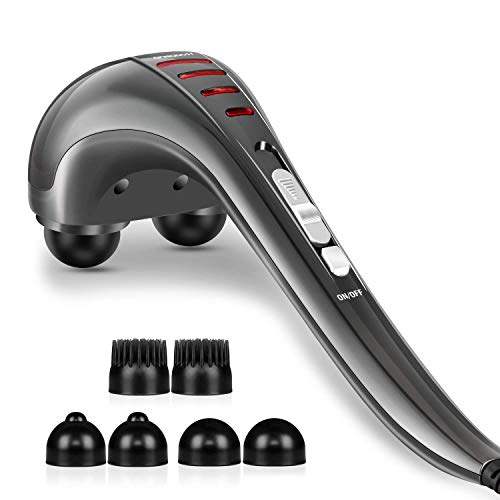
HANGSUN Handheld Neck Back Massager for Pain Relief Deep Tissue, Electric Double Head Percussion Massage MG460 for Shoulder, Leg, Foot, Muscles, Full Body, Corded, 2.3 lb
Powerful Motor: The built-in powerful motor provides up to 3500 pulses per minute. Its speed and depth of…
As an affiliate, we earn on qualifying purchases.
As an affiliate, we earn on qualifying purchases.

Fascia Massage Tool Blaster for Cellulite – Trigger Points – Muscle Relaxation,Handheld Myofascial Release Tool for Every Part of The Body
Fascia Massage Tool: This blaster tool with pressure point relieves deep tissue,muscle soreness and tension,speed myofascial release and…
As an affiliate, we earn on qualifying purchases.
As an affiliate, we earn on qualifying purchases.