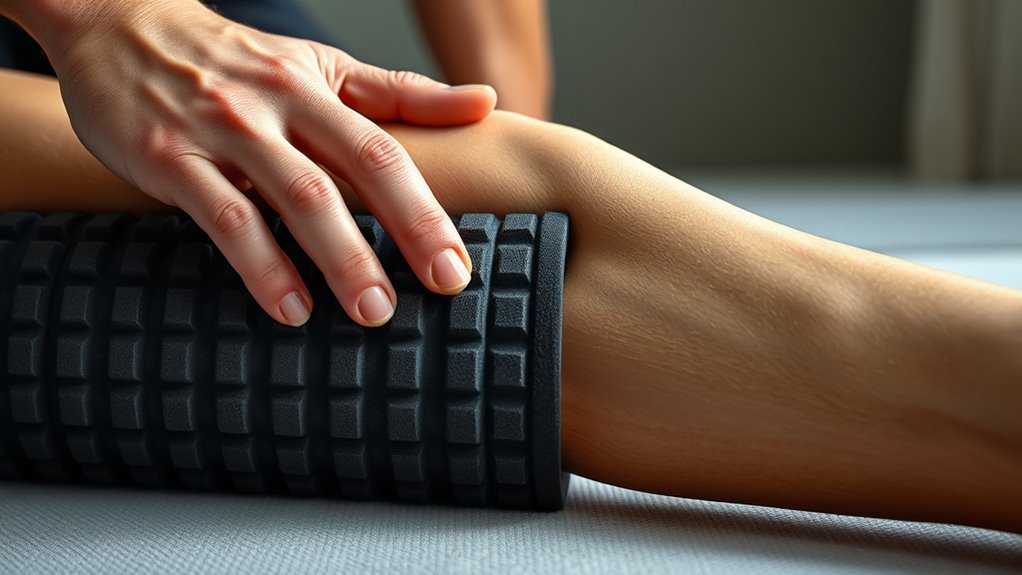

Myofascial release with SMR tools works through both mechanical and neurophysiological mechanisms. The tools apply sustained pressure that stretches and elongates fascia, improving its elasticity and reducing adhesions. This mechanical action helps relieve trigger points and increases tissue flexibility. Simultaneously, the pressure activates pain-inhibiting pathways, easing discomfort. Research shows these combined effects promote long-term tissue health and mobility. Keep exploring to discover how these mechanisms can enhance your recovery and wellness efforts.

Get workout gear delivered free with Prime
- Fast, free delivery on millions of items
- Prime Video, Amazon Music and more included
- Member-only deals all year
Key Takeaways
- SMR tools apply sustained mechanical pressure to fascial tissues, promoting elasticity and reducing adhesions through tissue elongation.
- Research indicates that mechanical stimulation from SMR enhances fascial glide by influencing hyaluronic acid viscosity.
- SMR techniques activate neurophysiological pain modulation pathways, providing immediate pain relief and reduced muscle tension.
- Studies show that consistent use of SMR tools can improve fascia flexibility, decreasing trigger point formation and associated discomfort.
- Biochemical effects of SMR include stimulating the release of substances that support fascia health and tissue regeneration.
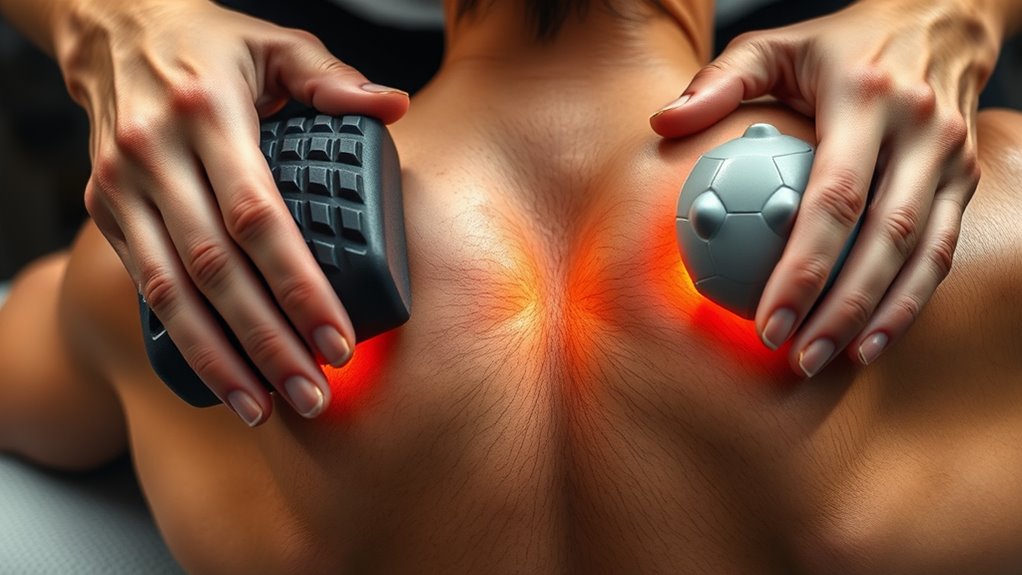
Myofascial release is a manual therapy technique that targets the fascia, the connective tissue surrounding muscles and organs, to improve mobility and reduce pain. You might think of fascia as a web of tissue that provides support and structure, but when it becomes tight or restricted, it can limit movement and cause discomfort. The goal of myofascial release is to restore fascia elasticity, allowing tissues to move freely again. This process involves applying gentle, sustained pressure to areas of fascial restriction, which can help break down adhesions and improve overall tissue flexibility.
Research indicates that enhancing fascia elasticity through manual therapy can considerably reduce pain and restore function. When fascia loses its natural elasticity, it becomes stiff and less responsive, which often leads to trigger point formation—knots of muscle tightness that refer pain to other areas. Trigger point therapy, a key component of myofascial release, focuses on releasing these painful spots. By applying precise pressure to trigger points, you stimulate blood flow and encourage the release of accumulated tension, which can help alleviate localized pain and prevent the development of chronic issues. Additionally, recent studies suggest that manual therapy may also influence the biochemical substances within fascia, further supporting its elasticity and health.
The mechanisms behind myofascial release involve both mechanical and neurophysiological responses. Mechanically, the sustained pressure helps stretch and elongate fascial tissues, promoting fascia elasticity. Neurophysiologically, pressure applied during therapy can modulate pain signals by activating the nervous system’s pain-inhibiting pathways, providing immediate relief. This dual action supports long-term improvements in mobility and pain reduction. Additionally, some studies suggest that manual therapy influences the release of biochemical substances like hyaluronic acid, which can enhance tissue glide and reduce adhesions, further promoting fascia elasticity.
When you incorporate trigger point therapy into your myofascial release sessions, you’re targeting specific areas of muscle tightness that contribute to overall fascial restrictions. This focused approach helps in breaking down localized adhesions and restoring normal muscle function. As fascia becomes more elastic, you’ll notice increased range of motion, decreased pain, and a greater sense of freedom in movement. Over time, regular treatment can prevent the recurrence of restrictions by maintaining healthy fascial tissue. Understanding these mechanisms underscores the importance of skilled manual therapy and targeted techniques like trigger point therapy in optimizing fascial health and restoring body function.
Self Myofascial Release (SMR) foam roller
As an affiliate, we earn on qualifying purchases.
As an affiliate, we earn on qualifying purchases.
Frequently Asked Questions
Can SMR Tools Help With Chronic Pain Management?
Yes, SMR tools can help with chronic pain management. By targeting trigger points, these tools release muscle tension and improve fascia flexibility, reducing pain and stiffness. Regular use can enhance blood flow, break down scar tissue, and promote faster recovery. You’ll notice decreased discomfort and increased mobility as you incorporate SMR into your routine, making it a valuable part of managing chronic pain effectively.
Are There Any Risks Associated With Self-Myofascial Release?
Yes, there are risks associated with self-myofascial release, but understanding risk factors helps prevent injuries. You could overdo it, apply too much pressure, or target sensitive areas, increasing injury risk. To avoid this, listen to your body, use proper techniques, and avoid painful spots. Taking these steps enhances injury prevention and guarantees you get the benefits of SMR without adverse effects.
How Often Should I Use SMR Tools for Optimal Results?
Imagine your muscles thanking you with every release—so, for ideal usage, you should use SMR tools 2 to 3 times a week. Stick to the frequency guidelines to avoid overstimulation and guarantee steady progress. Consistency is key, but don’t overdo it; listen to your body’s signals. Regular sessions help keep muscles supple, reduce soreness, and enhance recovery, making your self-myofascial release routine truly effective.
Do Age or Fitness Level Affect SMR Effectiveness?
Age influence and fitness impact how effective SMR tools are for you. As you age, fascia may become less pliable, possibly making releases feel different or less immediate. Your fitness level also plays a role; if you’re more active, your fascia tends to respond better to SMR, enhancing recovery and flexibility. Adjust your pressure and duration based on these factors to optimize results and prevent discomfort.
Can SMR Replace Professional Physical Therapy Treatments?
SMR tools can’t substitute professional physical therapy because they lack the personalized assessment and treatment oversight that experts provide. While SMR can help alleviate muscle tension and improve flexibility, it has treatment limitations and doesn’t address underlying issues or complex injuries. You should consult a physical therapist for a tailored plan, especially if you have ongoing pain or injuries, to ensure safe and effective recovery.
trigger point therapy massage ball
As an affiliate, we earn on qualifying purchases.
As an affiliate, we earn on qualifying purchases.
Conclusion
Understanding the mechanisms behind myofascial release can truly enhance your approach to pain relief and mobility. Research shows that using SMR tools can reduce muscle tension by up to 30% in just a few sessions, highlighting their effectiveness. By incorporating these techniques into your routine, you can experience faster recovery and improved flexibility. So, next time you reach for your SMR tool, remember, you’re tapping into a scientifically backed method that actively promotes your body’s healing and performance.
As an affiliate, we earn on qualifying purchases.
As an affiliate, we earn on qualifying purchases.
Halloween Picks
halloween
As an affiliate, we earn on qualifying purchases.