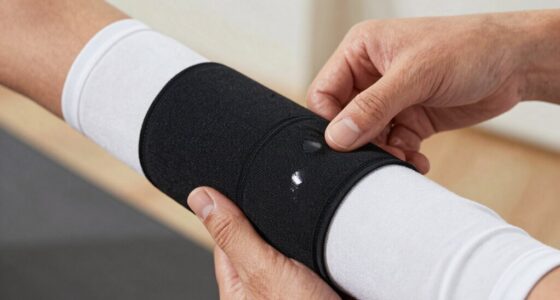
To build a simple weekly recovery routine, start by scheduling small, manageable activities like stretching, mindfulness, or gentle walks at specific times. Incorporate stress management techniques such as deep breathing or meditation daily, and create a relaxing pre-sleep routine to improve sleep quality. Use outdoor spaces and self-care activities to boost your mood and reduce stress. Consistently adjusting and balancing these habits will help you maintain overall well-being—discover how to make this routine work best for you as you continue.
Key Takeaways
- Schedule dedicated time for stress management practices like meditation or deep breathing each day.
- Establish a consistent sleep routine with regular bedtimes and relaxing pre-sleep activities.
- Incorporate outdoor activities and natural elements into your weekly schedule for mental and physical recovery.
- Break self-care activities into manageable, small tasks to ensure consistency and avoid overwhelm.
- Review and adjust your routine weekly to maintain balance and incorporate new relaxation techniques.
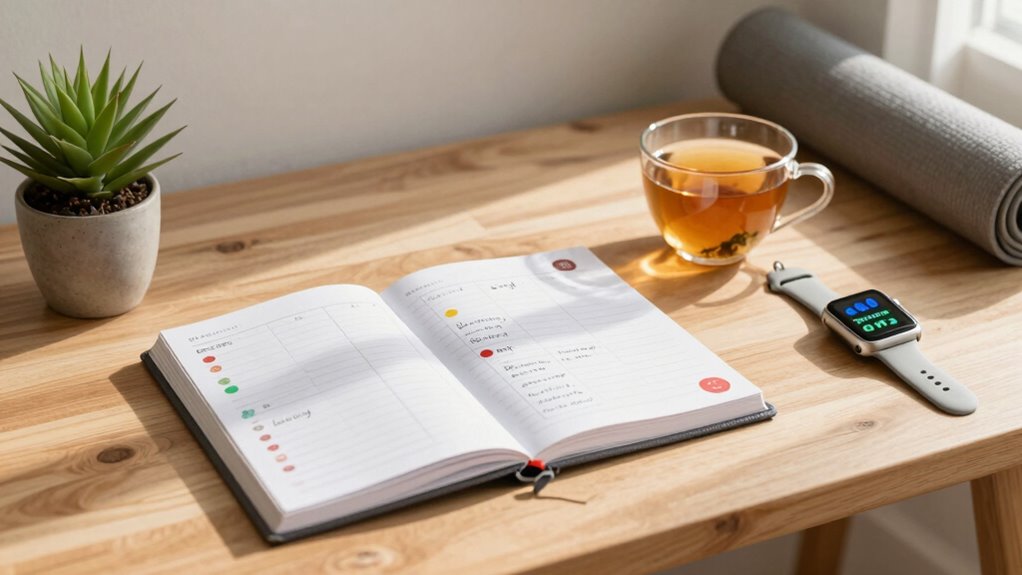
Creating a weekly recovery routine is essential for maintaining your physical and mental well-being, especially if you lead a busy or active lifestyle. When you prioritize recovery, you give your body and mind a chance to reset, which boosts your overall health and resilience. One of the key components of a good recovery routine is stress management. High stress levels can drain your energy, impair sleep, and hinder your ability to recover effectively. To manage stress, incorporate activities like deep breathing exercises, meditation, or gentle stretching into your weekly schedule. These practices help calm your nervous system, reduce cortisol levels, and improve your mental clarity. Even dedicating just ten minutes a day to mindfulness can make a significant difference in how you handle daily pressures.
In addition to stress management, sleep improvement plays a fundamental role in your recovery process. Sleep is when your body repairs tissues, consolidates memories, and balances hormones. To enhance your sleep quality, set a consistent bedtime and wake-up time, even on weekends. Avoid screens at least an hour before bed, as blue light can interfere with melatonin production. Create a relaxing pre-sleep routine, such as reading a book, listening to calming music, or practicing gentle yoga. Ensuring your sleep environment is cool, dark, and quiet can also promote more restful sleep. When sleep quality improves, you’ll wake up feeling more refreshed and better equipped to face the day. Incorporating natural elements like landscaping or outdoor spaces can positively influence your mental well-being and sleep quality as well. Developing a sleep-friendly environment can further support your recovery efforts. Additionally, understanding how to optimize your recovery techniques can help you make more targeted improvements to your routine. Regular exposure to outdoor spaces has been shown to reduce stress and improve overall mood, which further enhances your recovery process.
Building a simple weekly recovery routine doesn’t require elaborate planning. Focus on small, manageable activities that you can stick to consistently. For example, allocate specific times during the week for self-care practices like a short walk, a relaxing bath, or journaling your thoughts. These activities help you decompress and foster a sense of well-being. Remember, recovery isn’t just about physical rest; it’s equally about mental relaxation. Incorporating stress management techniques and sleep-enhancing habits into your weekly schedule, and you’ll notice a gradual boost in your energy levels, mood, and overall health. Over time, these simple adjustments will become part of your routine, making recovery an effortless yet indispensable part of your lifestyle.

Breathing Lamp Guided Visual Meditation Tool for Mindfulness,Anxiety Relief&Calm Your Mind for Stress&Visual Relaxation and Restful Sleep,478 Seconds Breathing Rate Change 3 Colors,Gift for Kids
Breathing Lamp Function: A mindful breathing lamp is a powerful and effective tool that can help you reduce…
As an affiliate, we earn on qualifying purchases.
As an affiliate, we earn on qualifying purchases.
Frequently Asked Questions
How Long Should Each Recovery Session Last?
You should aim for recovery sessions lasting about 15 to 30 minutes. During this time, incorporate stretching techniques such as gentle yoga or static stretches to improve flexibility. Also, focus on nutrition tips like staying hydrated and consuming protein-rich meals post-exercise. Keep your sessions consistent, listening to your body’s signals, and adjust the duration if you feel any discomfort or need extra relaxation.
Can Recovery Routines Be Personalized for Different Fitness Levels?
Yes, you can personalize recovery routines for different fitness levels by creating plans tailored to your specific needs. Incorporate fitness diversity to guarantee you’re including activities that suit your current strength and flexibility, gradually increasing intensity as you progress. Adjust recovery duration and methods based on how your body responds, making the routine more effective and sustainable. Personalization helps you stay motivated and reduces the risk of injury.
Is It Necessary to Include Rest Days in the Routine?
Yes, including rest days in your routine is essential. Rest day importance lies in giving your muscles time to recover, preventing injury, and reducing fatigue. Recovery benefits extend beyond physical repair; they boost mental clarity and motivation. By scheduling regular rest days, you allow your body to adapt and grow stronger, making your overall fitness journey more effective and sustainable. Skipping rest days can hinder progress, so don’t overlook their significance.
What Are Some Signs of Overtraining During Recovery?
You might notice overtraining if you experience persistent muscle soreness that doesn’t improve, or if you feel energy dips that affect your daily activities. These signs indicate your body isn’t fully recovering, so pay attention. Rest is essential to avoid injury and burnout. If you spot these symptoms, consider taking extra recovery days, adjusting your workout intensity, or consulting a professional to guarantee proper recovery and avoid overtraining.
How Do I Stay Motivated to Stick to My Routine?
You stay motivated by visualizing your progress, feeling the satisfaction of each small victory. Motivation strategies like setting clear goals and rewarding yourself keep you engaged. Remember, routine customization matters—adjust your recovery plan to fit your evolving needs, making it exciting rather than a chore. When the routine feels personal and rewarding, you’ll find it easier to stick with it, even when motivation wanes. The key is to keep the motivation flame alive.

MZOO Luxury Sleep Eye Mask for Side Sleeper Men Women, Zero Eye Pressure 3D Sleeping Mask, Light Blocking Patented Design Night Blindfold, Soft Eye Shade Cover for Travel, Black
Zero Eye Pressure: The Deepest 13mm arc-shaped widened eye cups provide makeup-safe space and allow natural blinking
As an affiliate, we earn on qualifying purchases.
As an affiliate, we earn on qualifying purchases.
Conclusion
Now that you’ve built your simple weekly recovery routine, you’re unstoppable. Imagine a life where exhaustion no longer rules your days, and you wake up feeling invincible every morning. This routine isn’t just a plan—it’s your secret weapon against burnout, transforming you into a powerhouse of energy and resilience. Stick to it, and watch as your life shifts from chaos to calm, turning you into a superhero capable of conquering anything that comes your way.

Amazon Basics 1/2 Inch Extra Thick Exercise Yoga Mat with Carrying Strap for Home Workouts and Fitness, 74" x 24", Black
Extra thick, cushy floor mat in Black for yoga, gym, and everyday exercise
As an affiliate, we earn on qualifying purchases.
As an affiliate, we earn on qualifying purchases.

Dr Teal's Epsom Salt Magnesium Soak, Relax & Relief with Eucalyptus & Spearmint Essential Oils, 3 lbs
POWERED BY MAGNESIUM: Dr Teal's Pure Epsom Salt (Magnesium Sulfate) helps ease aches & pains, relaxes the body…
As an affiliate, we earn on qualifying purchases.
As an affiliate, we earn on qualifying purchases.