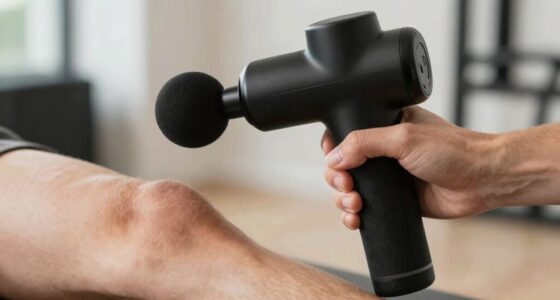

After training, ask yourself if you’ve consumed enough protein, carbs, and fluids to support recovery, and gauge how your body feels overall—soreness, fatigue, and energy levels. Check your mental focus and motivation, identifying any mental or physical fatigue that could need attention. Reflect on your technique and progress, noting any weaknesses or imbalances. To optimize your recovery, you’ll want to contemplate effective strategies and adjustments—stay with us to explore these questions in more detail.
Key Takeaways
- Did I consume adequate protein, carbs, and fluids to support muscle repair and replenish energy stores?
- How are my physical sensations—soreness, fatigue, or soreness—and do I need additional rest or recovery?
- Was my mental focus maintained, and how can I improve my motivation and resilience for future workouts?
- Are there technique issues or imbalances I need to address to prevent injury and optimize progress?
- Which recovery methods worked well, and what adjustments can I make to enhance overall healing and well-being?

After a tough workout, taking a moment to reflect can profoundly boost your recovery and progress. Asking yourself the right questions helps you understand what worked, what didn’t, and how to improve next time. One of the first questions you should consider is, “Did I support my body with proper nutrition strategies?” Nutrition plays an essential role in recovery, and recognizing whether you fueled correctly can make a significant difference. Did you consume enough protein to repair muscles? Did you hydrate properly to replace lost fluids? Did you include enough carbs to replenish glycogen stores? Answering these questions honestly helps you identify gaps in your nutrition plan and adjust accordingly. This way, your body gets the nutrients it needs to recover efficiently, reducing soreness and fatigue while preparing you for your next session.
Reflect on your post-work nutrition: Did you fuel with enough protein, carbs, and hydration to optimize recovery?
Next, you should reflect on your mental resilience. Ask yourself, “How did I handle mental challenges during the workout?” Training isn’t just physical; it’s equally mental. Did you stay focused and motivated, or did fatigue lead you to slack off? Recognizing moments when your mental resilience faltered allows you to develop strategies to strengthen it. Maybe you need to improve your mental toughness or cultivate a more positive mindset. Reflecting on your mental state after training helps you understand how your attitude affects your performance and recovery. Building mental resilience means you’re better prepared to push through tough sessions, recover mentally, and stay consistent with your training goals. Considering training intensity can also influence your mental and physical recovery, helping you balance effort and rest. Additionally, understanding training recovery techniques can support your overall progress and prevent setbacks. Incorporating mind-body awareness practices, such as meditation or breathing exercises, can further enhance your mental resilience and support recovery.
Another essential question is, “What did I learn from today’s workout?” This encourages a growth mindset. Did you notice any weaknesses or imbalances? Did your technique need refinement? Recognizing these insights helps you plan your next steps, whether that’s adjusting your training load or focusing on specific skills. By asking this, you turn each workout into a learning opportunity, which accelerates your progress.
Lastly, consider your overall recovery status by asking, “How do I feel physically and mentally now?” Are you overly sore or exhausted? Do you feel energized and motivated? Your body and mind send signals about whether you’re on track or need additional rest or recovery strategies. Listening to these signals ensures you don’t push too hard or neglect necessary recovery, which can lead to injury or burnout. Additionally, paying attention to recovery strategies can help optimize your post-workout routine and support overall well-being. Incorporating proper recovery methods, such as stretching or foam rolling, can further enhance your body’s ability to heal and adapt.

Optimum Nutrition Gold Standard Whey Protein, Double Rich Chocolate, 2 LB
- Protein Content: 24g whey protein per scoop
- Amino Acids: 5.5g BCAAs and 11g EAAs
- Low Sugar and Carbs: Approximately 1g sugar and 3g carbs
As an affiliate, we earn on qualifying purchases.
As an affiliate, we earn on qualifying purchases.
Frequently Asked Questions
How Do I Know if I’M Overtraining?
You’ll know you’re overtraining if you experience signs like persistent fatigue, decreased performance, or irritability. Other overtraining signs include trouble sleeping, frequent injuries, and a lack of motivation. To avoid this, focus on recovery strategies like rest days, proper nutrition, and hydration. Listen to your body, and if symptoms persist, reduce intensity or volume. Staying attentive to overtraining signs helps you prevent setbacks and optimize your training results.
What Foods Aid Muscle Recovery the Best?
Imagine your muscles as a bustling construction site, needing the right tools to rebuild stronger. You should prioritize foods rich in protein like lean meats, dairy, or plant-based options, combined with complex carbs such as oats or sweet potatoes. Nutrient timing is essential—consume these soon after training. Hydration strategies, including water and electrolyte drinks, help flush out toxins and restore balance, ensuring your muscles recover quickly and effectively.
How Long Should Recovery Periods Last?
Recovery periods should last between 24 to 72 hours, depending on your workout intensity and individual needs. During this time, focus on nutrition timing to replenish energy and repair muscles, and prioritize sleep quality to support overall recovery. Listening to your body is key—if you feel sore or fatigued, extend your rest. Proper recovery helps prevent injury, boosts performance, and guarantees you’re ready for your next session.
When Is It Necessary to See a Medical Professional?
You might think ignoring injury signs is fine, but it’s not. If pain worsens, swelling persists, or you notice numbness, it’s time for a medical consultation. Don’t wait until you’re sidelined for weeks; seeing a medical professional guarantees proper treatment. Trust your instincts—if something feels off, prioritize your health. Early intervention can prevent minor issues from turning into serious injuries, so don’t hesitate to seek help when needed.
How Can I Prevent Injuries During Recovery?
To prevent injuries during recovery, focus on implementing effective stretching routines to improve flexibility and reduce muscle tension. Additionally, follow proper hydration strategies to replenish lost fluids and support muscle repair. Avoid rushing back into intense activity too soon, and listen to your body’s signals. Combining stretching routines with hydration strategies helps your body recover safely, decreasing the risk of future injuries and enhancing overall performance.

BODYARMOR Sports Drink, Strawberry Banana, Electrolyte Drink Hydration, 12 Fl Oz Bottles (8 Pack), Flavored Coconut Water with B Vitamins & Antioxidants
- Product Type: Sports Drink with Coconut Water
- Flavor: Strawberry Banana
- Size: 12 Fl Oz Bottles
As an affiliate, we earn on qualifying purchases.
As an affiliate, we earn on qualifying purchases.
Conclusion
Remember, asking yourself the right recovery questions can make or break your progress. Did you know that over 70% of athletes experience improved performance when they prioritize proper recovery? By reflecting on how your body feels, your nutrition, and your sleep, you’re setting yourself up for better results and fewer injuries. So, take a moment after each session to ask yourself these key questions—you’ll thank yourself later when you see the gains.
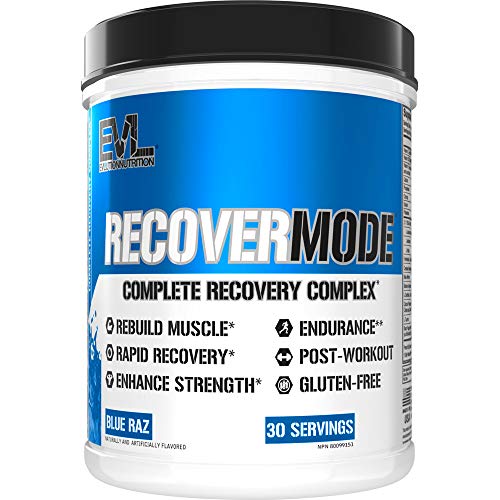
Evlution Nutrition Recover Mode- Complete Post Workout with BCAAs, Immunity Support, Vitamin C, D & E, Electrolytes, Hydration, Creatine, Glutamine, Beta-Alanine, L-Carnitine, 30 Serve, Blue Raz
- Complete Recovery Formula: Supports muscle repair and growth
- Fast Muscle Recovery: Contains 5g amino acids for repair
- Immune & Performance Support: Includes glutamine and beta-alanine
As an affiliate, we earn on qualifying purchases.
As an affiliate, we earn on qualifying purchases.

TriggerPoint Grid 1.0 Foam Roller – 13" Multi-Density Massage Roller for Deep Tissue & Muscle Recovery – Relieves Tight, Sore Muscles & Kinks, Improves Mobility & Circulation – Targets Key Body Parts
- Enhances Muscle Recovery: Promotes tissue aeration and blood flow
- Comfortable Foam Construction: Designed for sore muscles and soft tissue
- Customizable Massage Experience: Varying ridges mimic therapist's hands
As an affiliate, we earn on qualifying purchases.
As an affiliate, we earn on qualifying purchases.