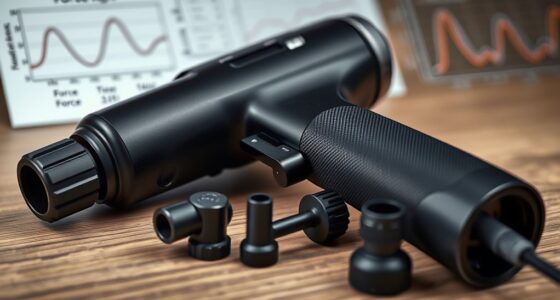

Muscle readiness is when your muscles are properly prepared to respond quickly and efficiently to movement demands. It involves good coordination between your nervous system and muscles, along with elasticity for explosive actions. When your muscles are ready, your movements become smoother, more precise, and less risky for injury. By understanding how to optimize this state, you’ll improve performance and reduce discomfort. Keep exploring to discover how you can enhance your muscle readiness even further.

Get workout gear delivered free — and shop member deals
- Fast, free delivery on millions of items
- Access to Prime Big Deal Days deals on October 6–7
- Prime Video, Amazon Music and more included
Key Takeaways
- Muscle readiness refers to the body’s ability to respond quickly and effectively to physical demands.
- It involves not just strength, but neuromuscular coordination for precise movement.
- Elasticity allows muscles to stretch and recoil efficiently, aiding explosive movements.
- Proper muscle readiness reduces injury risk and enhances overall performance.
- Warm-up routines and mobility exercises are essential to improve muscle preparedness.

Muscle readiness is the foundation of ideal performance, ensuring your body is prepared to handle physical demands efficiently. When you think about being ready, it’s not just about having strong muscles; it’s about how well those muscles can respond quickly and effectively. This involves neuromuscular coordination, which is the seamless communication between your nervous system and muscles. When your neuromuscular system is functioning optimally, signals travel swiftly from your brain to your muscles, activating the right muscle groups at the right time. This coordination helps you move with precision, reduce injury risk, and perform at your best.
Neuromuscular coordination ensures quick, precise muscle responses for optimal performance and injury prevention.
Another critical aspect of muscle readiness is muscle elasticity. Think of your muscles like elastic bands—they need to stretch and recoil efficiently to generate force and absorb impact. When your muscles are elastic, they can stretch without tearing and rebound quickly, which is vital for explosive movements like jumping or sprinting. Improved muscle elasticity also means your muscles recover faster after intense activity, reducing soreness and stiffness. Maintaining this elasticity involves proper warm-up routines, dynamic stretching, and consistent training that promotes flexibility and resilience.
Neuromuscular coordination and muscle elasticity are interconnected. When your nervous system communicates effectively with your muscles, it enhances their ability to stretch and contract smoothly. This synergy allows for more efficient movements and quicker reactions, especially during high-intensity activities. If either aspect falters, your performance drops, and the risk of strains or injuries increases. That’s why a well-rounded approach to training involves exercises that boost both neuromuscular control and muscle flexibility. Additionally, understanding the importance of muscle balance can help prevent compensatory movements that lead to injury.
You can improve muscle readiness by incorporating specific warm-up routines that activate your nervous system and stretch your muscles. Dynamic stretches, light cardio, and movement drills prime your neuromuscular pathways, making your muscles more responsive. Regular strength training enhances muscle elasticity by promoting tissue flexibility, while targeted mobility exercises help maintain range of motion. When your muscles are prepared in these ways, you’re less likely to experience sudden injuries and more likely to perform at your peak.
Ultimately, muscle readiness isn’t just about strength; it’s about how your muscles and nervous system work together in harmony. By focusing on neuromuscular coordination and muscle elasticity, you set the stage for optimal performance, quicker recovery, and injury prevention. When your body is primed with these elements in mind, you’ll notice improvements in agility, power, and overall efficiency—making every movement smoother and more controlled.
dynamic stretching warm-up routine
As an affiliate, we earn on qualifying purchases.
As an affiliate, we earn on qualifying purchases.
Frequently Asked Questions
How Is Muscle Readiness Measured Accurately?
You measure muscle readiness accurately by evaluating neuromuscular coordination and muscle fatigue levels. Using tools like electromyography (EMG) helps gauge nerve signals and muscle activation, indicating coordination efficiency. Additionally, monitoring signs of muscle fatigue, such as decreased strength or prolonged recovery time, provides insights into readiness. Combining these assessments guarantees you get a clear picture of whether your muscles are prepared for peak performance or need rest.
Can Muscle Readiness Vary Throughout the Day?
Yes, muscle readiness can vary throughout the day, much like a garden’s sunlight fluctuates. Circadian fluctuations influence your energy, and nutritional impacts can boost or hinder your performance. For example, after a nutritious breakfast, you might feel more prepared to tackle workouts, while fatigue may set in later. Being aware of these natural rhythms helps you optimize training times, ensuring muscles are primed when you need them most.
Does Muscle Readiness Differ Between Genders?
Yes, muscle readiness can differ between genders due to hormonal influence. You might notice that hormonal fluctuations, like testosterone levels in men and estrogen in women, impact muscle strength, recovery, and flexibility. These gender differences influence how quickly your muscles respond and recover from activity. Understanding this can help you tailor your training and recovery plans, ensuring you optimize your muscle readiness based on your unique hormonal profile.
How Long Does It Take to Improve Muscle Readiness?
It usually takes a few weeks to see noticeable improvements in muscle readiness. When you focus on enhancing muscle flexibility through stretching and prioritize nutritional influence by eating protein-rich foods, you’ll speed up recovery and readiness. Consistency is key; if you stick to a routine, you might notice better muscle responsiveness in as little as two to four weeks. Keep at it, and your muscles will thank you.
Is Muscle Readiness the Same as Muscle Strength?
Muscle readiness isn’t the same as muscle strength. While strength focuses on how much force your muscles can generate, readiness involves muscle endurance and neuromuscular coordination. It’s about how quickly and efficiently your muscles respond during activity, maintaining performance without fatigue. Improving muscle readiness requires training that boosts endurance and coordination, not just increasing strength. So, they’re related but serve different purposes in overall fitness and athletic performance.
muscle elasticity training equipment
As an affiliate, we earn on qualifying purchases.
As an affiliate, we earn on qualifying purchases.
Conclusion
Understanding muscle readiness is like revealing your body’s hidden potential. When you listen to your muscles’ signals and prepare them properly, you’re not just moving—you’re transforming each workout into a symphony of strength and agility. Remember, neglecting this vital step is like trying to start a car without warming it up—you’re risking more than just a stall. Embrace the power of readiness, and watch your performance soar as if by magic.
neuromuscular coordination exercises
As an affiliate, we earn on qualifying purchases.
As an affiliate, we earn on qualifying purchases.
As an affiliate, we earn on qualifying purchases.
Fall Picks
fall essentials
As an affiliate, we earn on qualifying purchases.