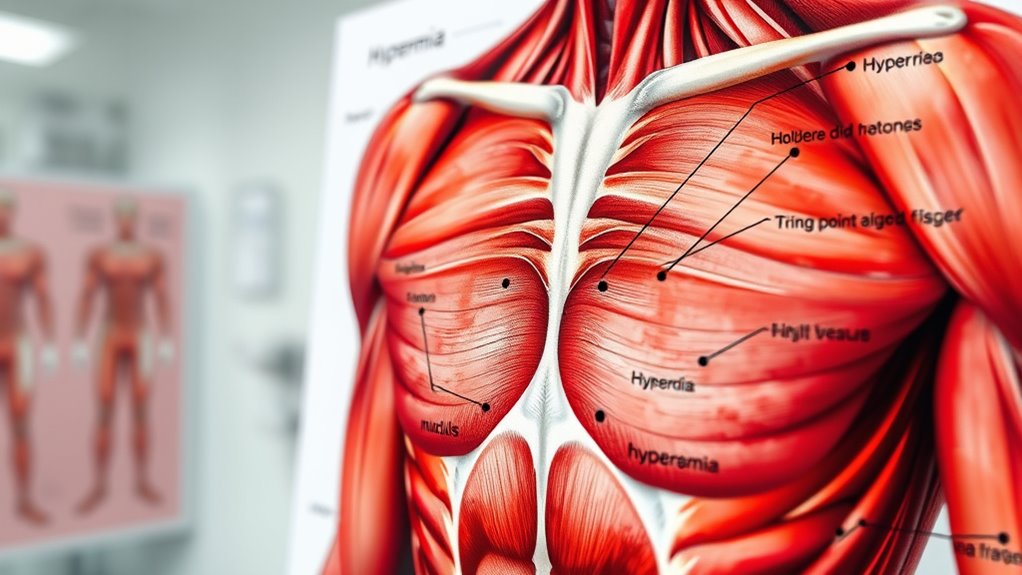

In your recovery journey, understanding terms like hyperemia, which is increased blood flow helping deliver oxygen and nutrients, can accelerate healing. Trigger points are tender spots in muscles that cause pain and tightness. Other key terms include inflammation, swelling, and tissue repair. Knowing these concepts helps you optimize your active rest and hydration strategies. Keep exploring the glossary for more insights that can enhance your recovery and performance even further.

Get workout gear delivered free with Prime
- Fast, free delivery on millions of items
- Prime Video, Amazon Music and more included
- Member-only deals all year
Key Takeaways
- Hyperemia refers to increased blood flow to tissues, aiding in nutrient delivery and waste removal during recovery.
- Muscle Soreness is pain from microscopic muscle damage, often managed through active rest and hydration.
- Inflammation is the body’s natural response to injury, which can be reduced with proper recovery techniques.
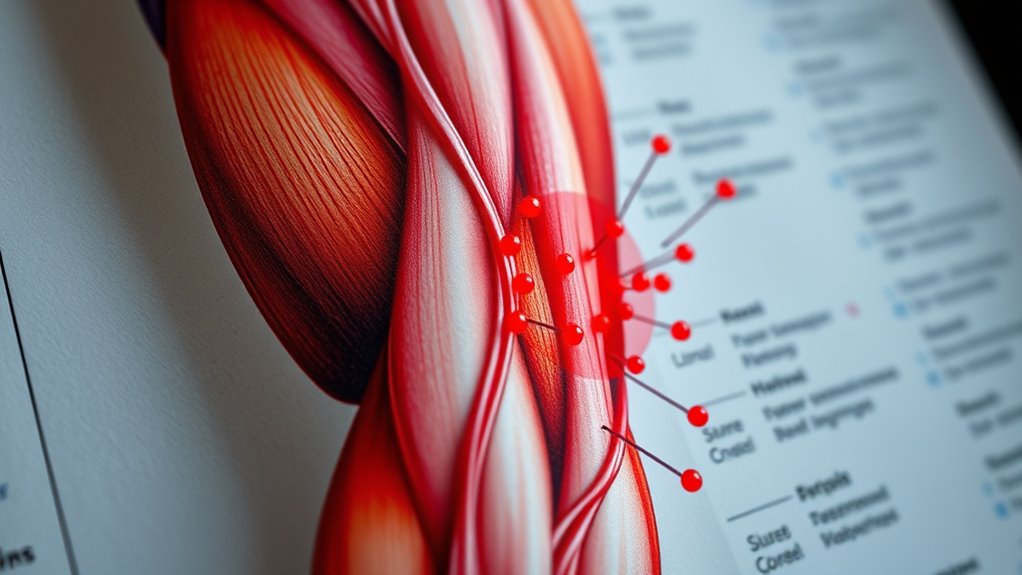
- Trigger Points are tender spots in muscles that cause pain and may require targeted therapies for relief.
- Active Rest involves low-intensity activities that promote circulation and tissue repair, supporting overall recovery.
Understanding recovery can feel overwhelming, especially with the many terms and concepts involved. But focusing on key practices can make a significant difference in your progress. One essential aspect is incorporating active rest into your routine. Unlike complete rest days, active rest involves low-intensity activities that keep your body moving without adding stress. This approach offers numerous benefits, such as promoting blood flow, reducing muscle stiffness, and preventing fatigue buildup. When you engage in activities like walking, gentle cycling, or yoga, you help your muscles recover more efficiently by delivering oxygen and nutrients to tired tissues. Active rest also encourages your nervous system to stay engaged without overloading it, which can improve overall recovery speed and help you return to higher-intensity workouts sooner. Plus, it keeps you mentally engaged and motivated, making recovery feel less like a chore and more like a productive part of your training cycle. Additionally, understanding AI-powered data analytics can provide insights into your recovery patterns and help optimize your training schedule.
Alongside active rest, paying attention to hydration is essential. When you’re active, your body loses fluids through sweat, and failing to replenish these can hinder recovery. Dehydration causes muscles to cramp, reduces your stamina, and slows the repair process. That’s why drinking enough water before, during, and after exercise isn’t just about quenching your thirst—it’s a critical part of supporting your muscles and tissues as they heal. Proper hydration helps flush out toxins and metabolic waste products that accumulate during activity, which can otherwise contribute to soreness and inflammation. It also maintains the balance of electrolytes, such as sodium and potassium, which are essential for muscle function. If you neglect hydration, you risk prolonging soreness and delaying recovery, making it harder to get back to your peak performance.
Incorporating active rest and maintaining good hydration habits are simple yet powerful ways to enhance your recovery process. These practices help your body repair tissue, reduce soreness, and restore energy levels more efficiently. By understanding the importance of hydration, you guarantee your muscles and tissues receive the necessary fluids to heal properly. Meanwhile, active rest keeps your blood flowing, prevents stiffness, and supports overall recovery without overtaxing your body. When combined, these strategies create a balanced approach, making your recovery not just faster but also more effective. So, keep these principles in mind as you plan your training and recovery days—your body will thank you with improved resilience and readiness for your next challenge.
Products Worth Considering

Therabody Theragun Mini Plus Portable Massage Gun with Heat

Hyperice Hypervolt 3 Percussion Massage Gun with Heated Head and Carry Case

Therabody Theragun Prime Plus Heated Deep Tissue Massage Gun, Black
As an affiliate, we earn on qualifying purchases.
Frequently Asked Questions
How Long Does Hyperemia Typically Last After Injury?
Hyperemia usually lasts for a few hours to a couple of days after injury, depending on the severity. During this time, your vascular response increases blood flow to the affected tissue, supporting tissue healing. You might notice redness and warmth, which are signs of this process. As healing progresses, hyperemia subsides, making way for tissue repair. Keep monitoring your symptoms and consult a healthcare professional if it persists longer than expected.
What Are the Signs of Developing Trigger Points?
You notice increasing muscle tension, persistent aching, or tenderness, which are signs of developing trigger points. You might also experience referred pain, where discomfort radiates to other areas, and a palpable knot or tight band in your muscles. These clues signal that your muscles are becoming irritated and could lead to more serious issues if not addressed. Stay mindful of these symptoms to catch trigger points early and prevent further discomfort.
Which Recovery Term Is Most Important for Athletes?
You should prioritize tissue regeneration for essential recovery. When you focus on this, you help reduce muscle fatigue and repair damaged fibers effectively. Adequate rest, proper nutrition, and hydration support tissue regeneration, which is vital after intense workouts. By emphasizing this recovery term, you enhance your ability to bounce back faster, prevent injuries, and improve overall performance. Remember, your body needs time to rebuild stronger muscles for sustained athletic success.
Can Hyperemia Indicate an Impending Injury?
Hyperemia can indicate an injury because it reflects a vascular response to tissue stress or damage. When you notice increased blood flow or redness, it might be a sign of impending injury or inflammation. Paying attention to this vascular response helps in early injury detection, allowing you to adjust your activity before the problem worsens. Recognizing hyperemia‘s role in injury prevention can be key to maintaining ideal recovery and avoiding setbacks.
How Do Recovery Terms Vary Across Different Medical Fields?
You’ll find that recovery terms vary across medical fields due to interdisciplinary terminology and field-specific definitions. In sports medicine, terms like hyperemia describe increased blood flow after activity, while in neurology, it might refer to inflammation. Understanding these nuances helps you better interpret treatment plans and recovery stages, ensuring clear communication between professionals and improved outcomes. Recognizing these differences is key to effective, tailored care in any medical discipline.
Conclusion
Understanding recovery terms helps you take control of your healing journey. Remember, not every theory is proven, so stay curious and adaptable. Trust your body’s signals, but also question assumptions—true progress often comes from balancing patience with active effort. By learning these terms, you empower yourself to make informed choices and embrace a mindset of continuous growth. Recovery isn’t just about terminology; it’s about trusting the process and believing in your ability to heal.