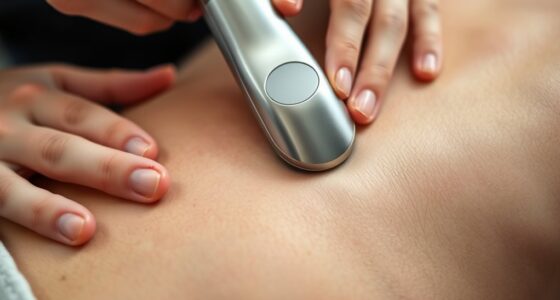
Understanding muscle tone and stiffness is key to your recovery process. Muscle tone keeps your muscles ready for action, while stiffness can either protect or hinder movement after injury. Too much stiffness restricts your range, delaying healing, whereas too little tone can lead to weakness. Your nervous system regulates this balance, so restoring proper control is essential. Staying aware of these factors helps tailor your recovery efforts. Keep exploring to learn more about optimizing your muscle health.
Key Takeaways
- Muscle tone is the continuous, passive contraction that maintains muscle readiness and influences movement quality during recovery.
- Increased muscle stiffness post-injury can restrict mobility, delay healing, and result from inflammation or muscle spasms.
- Proper regulation of muscle tone by the nervous system is essential for joint stability and effective rehabilitation.
- Managing stiffness through gentle stretching, manual therapy, and relaxation exercises helps restore normal muscle function.
- Restoring neuromuscular control and balanced muscle tone accelerates recovery and prevents secondary injuries.
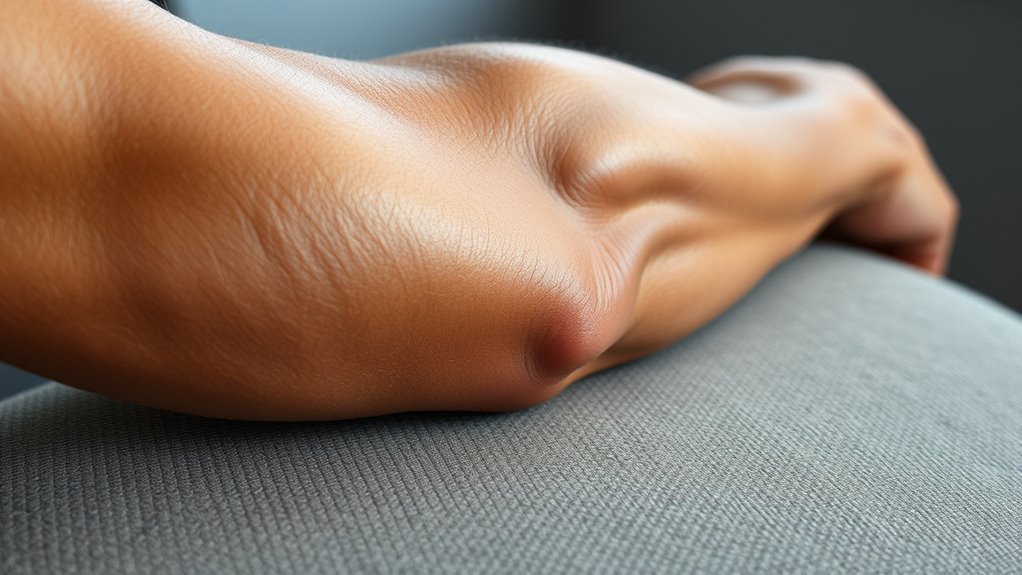
Understanding muscle tone and stiffness is essential for effective recovery after injury or intense activity. When your muscles feel tight or overly tense, it’s often a sign that your neuromuscular control has been affected. Neuromuscular control involves the nervous system’s ability to coordinate muscle movements and maintain proper joint stability. If this control is compromised, muscles may become hyperactive or fail to relax properly, leading to persistent stiffness. Recognizing these changes helps you target your recovery strategies more effectively, guaranteeing you regain normal function faster. Muscle response is an important aspect of neuromuscular control that influences muscle tone and stiffness during recovery.
Muscle tone refers to the continuous, passive partial contraction of muscles, which keeps muscles ready for action. After an injury or strenuous activity, this tone can increase or decrease abnormally, affecting your movement patterns. Increased muscle tone often results in stiffness, making your movements feel rigid or restricted. Conversely, decreased tone can cause weakness, instability, and difficulty maintaining proper joint position. Both scenarios can compromise joint stability, increasing the risk of further injury. Consequently, understanding how muscle tone influences joint stability is essential for designing effective rehab routines.
Stiffness is a natural response to muscle damage or overuse, but excessive stiffness can hinder mobility and delay recovery. When muscles are stiff, they resist stretch and movement, which can limit your range of motion and cause discomfort. This stiffness might be due to inflammation, muscle spasms, or adhesions forming after injury. Managing this stiffness requires targeted interventions, such as gentle stretching, manual therapy, or specific exercises that promote muscle relaxation without overstressing the injured tissue. Maintaining an ideal level of muscle tone is crucial because it supports joint stability, helping you move confidently and prevent secondary injuries.
Your nervous system plays a key role in regulating muscle tone, adjusting it based on activity levels and injury status. Proper neuromuscular control ensures that muscles contract and relax appropriately, maintaining joint stability during movement. When neuromuscular control is impaired, your muscles may become either too tense or too lax, disrupting joint alignment and increasing injury risk. Rehabilitative exercises that focus on restoring this control can help re-establish a balanced muscle tone. This, in turn, enhances joint stability, allowing your body to function smoothly and reducing the likelihood of recurring issues.

TriggerPoint Grid 1.0 Foam Roller – 13" Multi-Density Massage Roller for Deep Tissue & Muscle Recovery – Relieves Tight, Sore Muscles & Kinks, Improves Mobility & Circulation – Targets Key Body Parts
IMPROVE MUSCLE RECOVERY – Multi-density GRID features a three-dimensional surface that provides more efficient muscle recovery by promoting…
As an affiliate, we earn on qualifying purchases.
As an affiliate, we earn on qualifying purchases.
Frequently Asked Questions
How Can I Differentiate Between Normal Muscle Stiffness and Injury?
You can tell the difference between normal muscle stiffness and injury by paying attention to your body’s signals. Normal stiffness from muscle fatigue or post-exercise soreness usually improves within a few days and feels manageable. If the pain is sharp, persistent, or worsens with movement, it might indicate injury. Listen to your body, and if soreness doesn’t decrease, consider resting or seeking medical advice.
What Are the Best Stretches for Reducing Muscle Tension?
Imagine your muscles as stretched rubber bands, needing gentle guidance to relax. You should try dynamic stretching to warm up and loosen tightness, moving your limbs through gentle, controlled motions. Foam rolling acts like a soothing massage, breaking up knots and releasing tension. Incorporate these into your routine to reduce muscle tension effectively, helping your muscles feel more relaxed and ready for activity without the risk of injury.
Does Muscle Stiffness Always Indicate a Need for Medical Attention?
Muscle stiffness doesn’t always mean you need medical attention. Sometimes, it’s just muscle soreness from exercise or activity, and rest and recovery can help. However, if the stiffness persists, worsens, or is accompanied by swelling, severe pain, or weakness, it’s wise to see a healthcare professional. Pay attention to your body’s signals, and don’t hesitate to seek help if stiffness interferes with your daily activities or signals an injury.
Can Diet Influence Muscle Recovery and Stiffness Levels?
Like a well-tuned engine, your muscles thrive on the right fuel. Yes, your diet influences recovery and stiffness levels. Prioritize nutrient timing to give your muscles the energy they need when they need it most, and follow hydration strategies to flush out stiffness and toxins. Consuming protein, antioxidants, and electrolytes supports muscle repair, reducing stiffness and speeding up recovery, keeping your body running smoothly like a finely crafted machine.
How Long Does It Typically Take for Muscle Tone to Normalize?
Muscle tone usually normalizes within a few days to a week after muscle fatigue or intense activity, but recovery timelines vary. You might notice stiffness decreasing and your muscles feeling more relaxed as healing progresses. Factors like your age, activity level, and nutrition influence this process. To speed up recovery, focus on proper rest, hydration, and gentle stretching. If stiffness persists beyond a week, consult a healthcare professional to rule out injury.

OPTP The Original Stretch Out Strap with Exercise Book, for Flexibility and Mobility Exercises. Stretch Out Straps for Physical Therapy, Yoga Stretching Strap and Knee Therapy Strap. Made in the USA
Top Choice Stretching Strap for Physical Therapy: The OPTP Stretch Out Strap was the first stretching strap on…
As an affiliate, we earn on qualifying purchases.
As an affiliate, we earn on qualifying purchases.
Conclusion
Now that you understand muscle tone and stiffness, you can better navigate your recovery like a seasoned alchemist. Remember, patience and proper care are your trusty time machines, guiding you through setbacks and progress alike. Don’t rush the process—think of it as tuning a vintage guitar, each string in harmony. Trust in your body’s resilience, and with consistent effort, you’ll find your rhythm again, turning recovery into your personal Renaissance.

Massage Lacrosse Balls for Myofascial Release, Trigger Point Therapy, Muscle Knots, and Yoga Therapy. Set of 2 Firm Balls (Blue and Red)
IMMEDIATE BENEFITS – Self myofascial release eliminates muscle knots and tension. Trigger point therapy massage lacrosse balls relieve…
As an affiliate, we earn on qualifying purchases.
As an affiliate, we earn on qualifying purchases.

Balego EMS Digital Neuromuscular NMES Stimulator OTC
What is Neuromuscular electrical stimulation NMES and what is it not: (NMES) uses electrical impulses to stimulate weak…
As an affiliate, we earn on qualifying purchases.
As an affiliate, we earn on qualifying purchases.