
Muscle creep is when your muscles slowly stretch over time when subjected to sustained force or pressure. This occurs because muscles have visco-elastic properties, meaning they combine elastic behavior (returning to shape) with viscous flow (gradual deformation). When under consistent load, muscles elongate gradually due to these properties. Understanding how muscles respond over time helps you prevent injuries and improve flexibility. Keep exploring to learn how tissue elasticity influences your movement and safety.
Key Takeaways
- Muscle creep is the gradual elongation of muscles under sustained force due to their visco-elastic nature.
- It results from muscles’ combined elastic and viscous properties, causing time-dependent stretching.
- Tissue elasticity resists deformation and influences how muscles respond to continuous pressure.
- Understanding muscle creep helps prevent injuries by managing load and promoting proper stretching.
- Factors like fatigue or aging can reduce tissue elasticity, affecting muscle creep and injury risk.
Understanding muscle creep and its visco-elastic properties is essential because these characteristics influence how muscles respond to sustained forces over time. When you hold a position or apply continuous pressure, your muscles don’t just stiffen; they gradually stretch and lengthen, a phenomenon known as muscle creep. This gradual elongation occurs because muscles, like other biological tissues, display visco-elastic behavior. That means they combine both elastic properties, which allow them to return to their original shape after deformation, and viscous properties, which cause a time-dependent deformation under sustained load.
Muscle creep involves gradual stretching due to muscles’ visco-elastic nature under sustained forces.
Tissue elasticity plays a fundamental role here. It’s the tissue’s ability to resist deformation and return to its normal shape after being stretched or compressed. When a muscle experiences a force, especially if it’s sustained, its tissue elasticity determines how much it initially stretches and how it recovers afterward. However, because muscles are visco-elastic, they don’t respond instantaneously. Instead, they exhibit a delayed response, gradually elongating as the force persists. This is muscle creep in action, and it’s essential to understand because it helps explain why muscles can sustain certain loads without immediate injury.
In the context of muscle strain, understanding visco-elastic properties becomes even more important. A muscle strain occurs when the tissue elasticity is compromised, often after overstretching or overloading the muscle. If a muscle is subjected to a force beyond its elastic limit, it can result in microscopic tears or more significant tissue damage. Recognizing how muscle creep works helps you prevent such injuries. For instance, gradually increasing the load during physical activity allows your muscles’ visco-elastic properties to adapt, reducing the risk of muscle strain.
Furthermore, tissue elasticity isn’t static; it can change due to factors like fatigue, aging, or injury. When tissues lose elasticity, they become less capable of resisting deformation, making muscles more susceptible to strain under sustained loads. That’s why warming up and stretching are essential—they help maintain tissue elasticity and optimize the visco-elastic response of your muscles. When properly conditioned, your muscles can better handle sustained forces, minimizing the risk of injury and improving overall flexibility.

TriggerPoint Grid 1.0 Foam Roller – 13" Multi-Density Massage Roller for Deep Tissue & Muscle Recovery – Relieves Tight, Sore Muscles & Kinks, Improves Mobility & Circulation – Targets Key Body Parts
- Enhances Muscle Recovery: Promotes tissue aeration and blood flow
- Comfortable Foam Construction: Designed for sore muscles and soft tissue
- Customizable Massage Experience: Varying ridges mimic therapist's hands
As an affiliate, we earn on qualifying purchases.
As an affiliate, we earn on qualifying purchases.
Frequently Asked Questions
How Does Muscle Creep Affect Athletic Performance?
Muscle creep can impact your athletic performance by gradually reducing muscle elasticity, making your muscles less responsive and more prone to injury. As stretch tolerance decreases over time, you might find it harder to maintain ideal flexibility during activity. This means your muscles fatigue faster and your movements become less efficient. To perform at your best, focus on proper warm-ups and stretching routines that minimize muscle creep and preserve your stretch tolerance.
Can Muscle Creep Cause Long-Term Muscle Damage?
Muscle creep can cause long-term muscle damage if it leads to repeated muscle strain and reduces connective tissue flexibility over time. When your muscles elongate gradually under continuous load, they may weaken and become more prone to injury. This ongoing strain can compromise tissue integrity, increasing the risk of tears or chronic issues. To prevent this, regularly stretch and strengthen your muscles, maintaining both flexibility and resilience.
Is Muscle Creep Related to Muscle Fatigue?
Muscle creep is related to muscle fatigue because both involve tissue stretching and the body’s response to prolonged or repetitive stress. When you experience muscle fatigue, your muscles may become less responsive, leading to increased tissue flexibility and stretchability over time. This gradual stretching from muscle creep can temporarily improve flexibility but also indicates that your muscles are under strain, making it essential to balance activity and rest to prevent injury.
How Can Muscle Creep Be Prevented or Managed?
You can prevent or manage muscle creep by regularly incorporating stretching routines into your day to improve flexibility and reduce strain. Make ergonomic adjustments to your workspace, such as proper chair height and monitor placement, to minimize sustained muscle tension. Taking frequent breaks to move and stretch helps maintain muscle elasticity. Staying mindful of posture and avoiding prolonged static positions also helps prevent muscle creep from developing or worsening.
Does Age Influence the Extent of Muscle Creep?
Yes, age influences the extent of muscle creep. As you age, age-related stiffness can reduce your flexibility, making muscles less able to stretch and adapt under sustained force. Elderly individuals often experience more pronounced muscle creep because their muscles and connective tissues lose elasticity over time. This means that maintaining flexibility and engaging in regular stretching exercises becomes even more critical to counteract increased muscle creep with age.

Massage Lacrosse Balls for Myofascial Release, Trigger Point Therapy, Muscle Knots, and Yoga Therapy. Set of 2 Firm Balls (Blue and Red)
- Immediate Muscle Relief: Eliminates knots and tension quickly
- Easy Self-Massage: Use body weight for relief
- Portable and Versatile: Use anywhere: home, office, gym
As an affiliate, we earn on qualifying purchases.
As an affiliate, we earn on qualifying purchases.
Conclusion
Understanding muscle creep reveals how your muscles gradually stretch under sustained force, thanks to their visco-elastic nature. Did you know that muscles can stretch up to 5% beyond their resting length without injury? This fascinating property helps prevent strain during daily activities. By appreciating these mechanics, you can better optimize your movement and flexibility. Keep in mind, just a small amount of sustained pressure can lead to significant muscle elongation over time—making awareness key to safe stretching and movement.

Trideer Stretching Strap Yoga Strap Physical Therapy for Home Workout, Exercise, Pilates and Gymnastics, 10 Loops Non-Elastic Stretch Bands with Aesthetic Packaging for Women & Men (Black)
- Home Physical Therapy Support: Assists knee, hip, and leg mobility at home
- Non-Elastic for Steady Holds: Provides stable, rebound-free stretches
- Multiple Loops for Ease: Offers adjustable grip and stretch depth
As an affiliate, we earn on qualifying purchases.
As an affiliate, we earn on qualifying purchases.
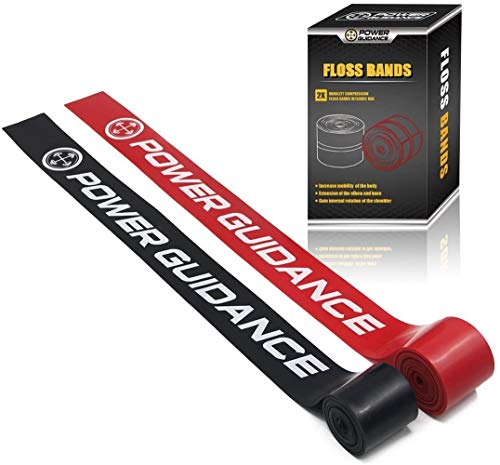
POWER GUIDANCE Muscle Floss Bands – Compression Band – Mobility & Recovery Bands – for Improving Movement, Increasing Circulation & Reducing Soreness
- Recovery and Warm-up: Boost circulation and muscle warmth
- High-Quality Material: Made from natural latex, hypoallergenic
- Versatile Use: Suitable for various fitness activities
As an affiliate, we earn on qualifying purchases.
As an affiliate, we earn on qualifying purchases.