TL;DR

Get workout gear delivered free with Prime
- Fast, free delivery on millions of items
- Prime Video, Amazon Music and more included
- Member-only deals all year
Interest in strategies to stop buying new stuff is rising, driven by concerns over consumerism and sustainability. Scientists Find Why The Liver May Not Heal Even After You Stop Drinking Experts suggest practical steps like practical steps like creating the right environment, budgeting, mindful shopping, and digital detoxes. Details on the effectiveness of these methods are still emerging.
Search interest in how to stop buying new stuff has surged recently, according to online trend data, highlighting a growing concern among consumers about overconsumption and environmental impact. While no official campaigns or initiatives have been announced, this trend indicates an increasing desire to adopt more sustainable shopping habits and reduce unnecessary spending.
Data from search trend analysis shows a significant uptick in queries related to reducing or stopping new purchases, particularly in late 2023. Experts in consumer behavior and sustainability note that this interest appears linked to broader discussions about environmental impact, financial wellness, and minimalism. Although specific strategies vary, common suggestions include creating strict budgets, practicing mindful shopping, and taking digital breaks to avoid impulsive buying.
Sources indicate that many individuals are seeking practical ways to curb their consumer habits, motivated by concerns over waste, debt, and the environmental footprint of manufacturing. Some mental health professionals also note that reducing consumption can contribute to improved well-being, similar to how massage therapy can support mental health, though no formal programs or policies have been officially launched as part of this trend.
Implications for Consumer Behavior and Sustainability
This rising interest reflects a shift toward more conscious consumption, which could influence market trends and corporate practices. If sustained, it may lead to decreased demand for fast fashion, electronics, and other frequently replaced goods, potentially reducing waste and carbon emissions. For individuals, adopting these habits supports financial health and environmental responsibility, aligning personal values with broader societal goals.
Products Worth Considering
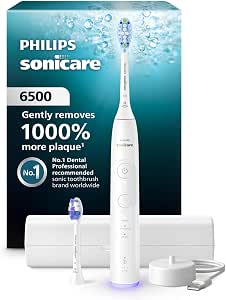
Philips Sonicare 6500 Series Rechargeable Electric Toothbrush with 2 Brush Heads, White

Therabody Theragun Mini 3rd Gen Massage Gun (Travel Essential, Black)

Oral-B iO Series 3 Rechargeable Electric Toothbrush for Adults, Black, 3 Modes, 2 Brush Heads and Travel Case
As an affiliate, we earn on qualifying purchases.
Growing Awareness of Overconsumption and Environmental Impact
Over recent years, discussions about the environmental and social costs of consumerism have gained prominence. Movements promoting minimalism, zero waste, and sustainable living have gained followers, coinciding with increased media coverage and social media campaigns. The current spike in search interest appears to be a reflection of this ongoing cultural shift, although specific triggers remain unconfirmed. Experts suggest that the trend is driven by a combination of environmental concerns, economic pressures, and a desire for simpler lifestyles.
Unconfirmed Triggers and Effectiveness of Strategies
It is not yet clear what specific events or campaigns have directly triggered the surge in interest. The effectiveness of suggested strategies like budgeting or digital detoxes remains anecdotal, with limited empirical data available. Researchers note that further studies are needed to determine how sustainable these habits are over time and whether they lead to lasting behavioral change.
Monitoring Trends and Developing Practical Resources
Experts anticipate that interest in reducing new purchases will continue to grow, prompting the development of more targeted resources, tools, and community initiatives. Researchers and advocacy groups may release guides, apps, or programs aimed at helping individuals adopt minimalist and sustainable habits. Observers will also watch for any official policy responses or corporate shifts influenced by this consumer trend.
Key Questions
What are the most effective ways to stop buying new stuff?
Experts recommend setting strict budgets, practicing mindful shopping, avoiding impulsive purchases, and taking digital breaks to reduce temptation. Creating a list before shopping and reflecting on needs versus wants can also help.
Is reducing purchases good for the environment?
Yes, decreasing the demand for new products can lower waste, reduce resource extraction, and decrease carbon emissions associated with manufacturing and transportation. However, systemic changes are also necessary for significant impact.
Are there any risks or downsides to buying less?
Some individuals may experience inconvenience or social pressure, but overall, mindful reduction can promote financial stability and environmental sustainability. Consulting professionals can help tailor strategies to personal circumstances.
Will this trend lead to changes in the marketplace?
If consumer interest persists, companies might adapt by offering more durable, repairable, or minimalistic products, and marketing campaigns may shift toward sustainability. Market shifts could reinforce the trend over time.
Source: rss