Mechanical vibrations can positively affect your fascial tissues by improving their elasticity, making movement smoother and reducing stiffness. When vibrations resonate at specific frequencies, they amplify tissue response, promoting better collagen alignment and fluid flow. This resonance enhances fascial pliability, helping with recovery and injury prevention. By understanding how vibrations interact with fascia, you can optimize therapy for flexibility, resilience, and overall biomechanical health—if you keep exploring, you’ll discover how to harness these effects fully.
Key Takeaways
- Mechanical vibrations influence fascial tissues by promoting elasticity, flexibility, and improved biomechanical function.
- Resonance occurs when vibration frequencies match fascial tissue properties, amplifying elastic responses.
- Properly tuned vibrations enhance collagen alignment, tissue hydration, and fluid dynamics within fascia.
- Vibration therapy optimizes tissue oscillations, aiding in injury recovery and reducing fascial stiffness.
- Leveraging resonance principles improves movement efficiency, tissue resilience, and overall biomechanical health.
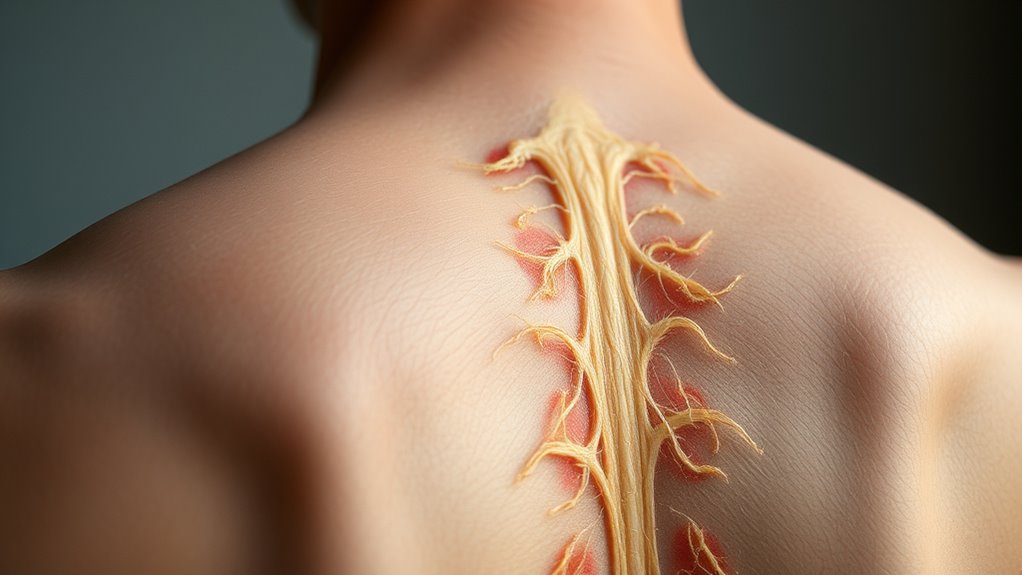
Vibrations have gained recognition as a promising tool for influencing fascial tissues, which play a vital role in maintaining structural integrity and movement efficiency. When you apply mechanical vibrations to the body, resonance phenomena come into play, allowing specific frequencies to interact with fascial tissues in a targeted way. These resonance effects can amplify the vibrations within the fascia, resulting in more effective stimulation of the elastic properties of the connective tissue. As a result, you might notice improvements in flexibility, reduced stiffness, and enhanced movement patterns. Fascial elasticity, which refers to the tissue’s ability to stretch and return to its original shape, is central to this process. Vibrations at resonant frequencies can modulate fascial elasticity by promoting better alignment of collagen fibers and stimulating the fluid dynamics within the fascial matrix.
Resonance vibrations enhance fascial elasticity, boosting flexibility and movement efficiency through targeted tissue stimulation.
When you understand how resonance phenomena work, you realize that not all vibrations are equally beneficial. Certain frequencies resonate better with fascial tissues, optimizing their elastic response. This resonance can lead to increased fascial pliability, making movements smoother and less restricted. By tuning vibrations to these specific frequencies, you can facilitate deeper tissue engagement and potentially accelerate recovery from injury or tension buildup. The elastic properties of fascia allow it to absorb and dissipate mechanical energy, which is essential during movement and load-bearing activities. Vibrations enhance this capacity by encouraging fascial tissues to adopt more favorable elastic behavior, improving overall biomechanical function.
Additionally, understanding the principles of resonance phenomena can help clinicians and practitioners optimize vibration therapy parameters for targeted outcomes. In practice, when you use vibration therapy, you’re fundamentally harnessing resonance phenomena to influence fascial elasticity positively. The mechanical stimuli cause the fascial tissues to oscillate in harmony with the applied vibrations, leading to a cascade of biomechanical benefits. This process can help realign collagen fibers, increase tissue hydration, and stimulate cellular activity within the fascia. Over time, these effects contribute to a more resilient and responsive fascial network. The key is to select the right frequency and amplitude to maximize resonance without causing overstimulation or discomfort. As you incorporate vibration into your training or therapy routines, understanding these principles helps you target tissues more effectively and achieve better outcomes.
Ultimately, leveraging resonance phenomena through controlled vibrations can unlock the elastic potential of fascia, supporting movement efficiency, reducing pain, and enhancing biomechanical health. Your body’s fascial tissues respond dynamically to these stimuli, making vibration therapies a promising area for both performance optimization and rehabilitation. By paying attention to the interaction between resonance and fascial elasticity, you can tailor interventions that promote long-term tissue health and functional mobility.
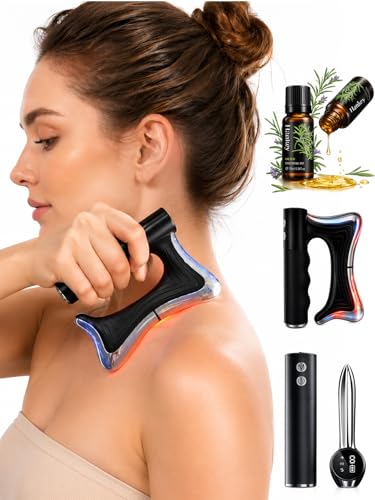
Heated Muscle Scraper Tool, Fascia Release Full Body Contouring Machine, Muscle Scraper Tool Features Modes: Vibration, Heat Therapy and Microcurrent, Fascia Instant Muscle Relaxation Soreness Relief
2026 New-Generation Electric-Driven Design Ditching the limitations of traditional manual fascia knives, our upgraded electric fascia scraper features…
As an affiliate, we earn on qualifying purchases.
As an affiliate, we earn on qualifying purchases.
Frequently Asked Questions
How Do Vibrations Specifically Affect Fascia Elasticity Over Time?
Vibrations can enhance fascia elasticity over time by promoting fascia hydration, which keeps tissues supple and flexible. The increased movement stimulates tissue remodeling, encouraging collagen realignment and reducing stiffness. As you experience regular vibrations, your fascia becomes more responsive and resilient, leading to improved range of motion and decreased pain. Consistent vibration therapy supports long-term elasticity by maintaining healthy fascia structure and function, ultimately enhancing your overall mobility and comfort.
Can Vibration Therapy Improve Fascia-Related Chronic Pain?
Yes, vibration therapy can help improve fascia-related chronic pain by enhancing fascial hydration and increasing vibration amplitude. When you use vibration therapy, you stimulate blood flow, which promotes hydration and flexibility in your fascia. This process reduces stiffness and discomfort over time. Consistent sessions with appropriate vibration amplitude may lead to long-term pain relief by restoring fascia’s biomechanical function and improving your overall mobility.
What Frequencies Are Most Effective for Fascia Stimulation?
You should focus on frequencies around 20-50 Hz for effective fascia stimulation, as resonance tuning at these ranges enhances tissue response. This range demonstrates frequency specificity, meaning it targets fascia effectively without affecting surrounding tissues. Using precise, controlled vibrations within this spectrum can optimize therapeutic benefits, promoting fascia flexibility and reducing pain. Always tailor the vibration frequency to individual needs to maximize the resonance tuning benefits for your fascia health.
Are There Risks Associated With Excessive Vibrational Exposure to Fascia?
Did you know that overexposure to vibration intensity can lead to tissue damage? Yes, excessive vibrational exposure risks fascia overstimulation, potentially causing pain or tissue breakdown. Too much vibration may hinder fascia remodeling rather than promote it. To stay safe, limit sessions and listen to your body’s signals, ensuring vibrations are within a therapeutic range. Moderation is key to reaping benefits without risking harm.
How Does Fascia Respond Differently to Mechanical Versus Vibrational Stimuli?
You’ll find that fascia responds differently to mechanical versus vibrational stimuli. Mechanical stimuli promote fascial hydration and tissue remodeling, enhancing flexibility and strength. In contrast, vibrational stimuli can stimulate fluid movement within the fascia, aiding in relaxation and recovery. However, excessive vibrations might disrupt fascial integrity, so moderation is key. Understanding these responses helps optimize treatments for better fascial health and functionality.

NHO Vibrating Massage Ball, Vibrating Foam Roller for Muscle Pain Relief, 4-Speed Myofascial Release Ball for Trigger Point Therapy, Deep Tissue Foot for Plantar Fasciitis, Neck, Shoulder
【4-Speed Vibrating Therapy & Unique Corn Design】 Experience deep tissue relief with 4 customizable speed settings(900-3000 RPM). The…
As an affiliate, we earn on qualifying purchases.
As an affiliate, we earn on qualifying purchases.
Conclusion
Think of your fascia like a delicate orchestra, where each instrument must play in harmony. Mechanical vibrations act as the gentle conductor, guiding this symphony to flow smoothly and resonate with life. When you embrace these vibrations, you help your fascia dance effortlessly, releasing tension and restoring balance. Remember, by tuning into these subtle rhythms, you’re not just maintaining your body’s harmony—you’re conducting your own masterpiece of well-being.
Heated Muscle Scraper Tool, Fascia Release Full Body Contouring Machine, Muscle Scraper Tool Features Modes: Vibration, Heat Therapy and Microcurrent, Fascia Instant Muscle Relaxation Soreness Relief
2026 New-Generation Electric-Driven Design Ditching the limitations of traditional manual fascia knives, our upgraded electric fascia scraper features…
As an affiliate, we earn on qualifying purchases.
As an affiliate, we earn on qualifying purchases.

Beauty Bar 24k Golden Pulse Facial Massager, T-Shape Electric Sign Face Massage Tools for Sensitive Skin Face Pull Tight Firming Lift
❤ What's in the Box – Face massager skin care tools*1. This cosmetic skincare tool helps your face…
As an affiliate, we earn on qualifying purchases.
As an affiliate, we earn on qualifying purchases.