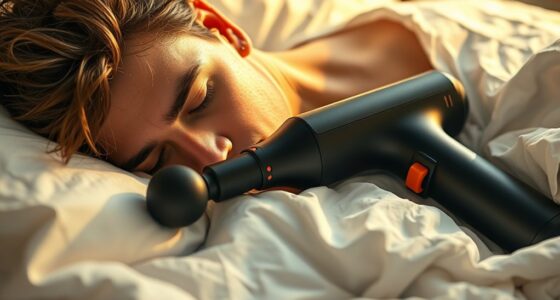
Percussive therapy taps into your body’s natural pain control system based on the gate control theory. By delivering rhythmic pressure, it activates large nerve fibers that close the neural gate, reducing pain signals before they reach your brain. This process helps you experience less discomfort and promotes relief. Understanding how your nervous system works can enhance your pain management techniques—continue exploring to discover more ways you can harness this powerful system.
Key Takeaways
- Percussive therapy activates large nerve fibers, which close the neural gate and inhibit pain signal transmission.
- The gate control theory explains how non-painful stimuli can modulate pain perception by influencing spinal cord gating mechanisms.
- Stimulating touch and pressure pathways through percussive therapy leverages the body’s natural pain relief systems.
- Psychological factors, such as distraction, can help close the gate, reducing the perception of pain during therapy.
- Understanding neural pathways allows targeted use of percussive therapy to effectively manage pain via the gate control system.
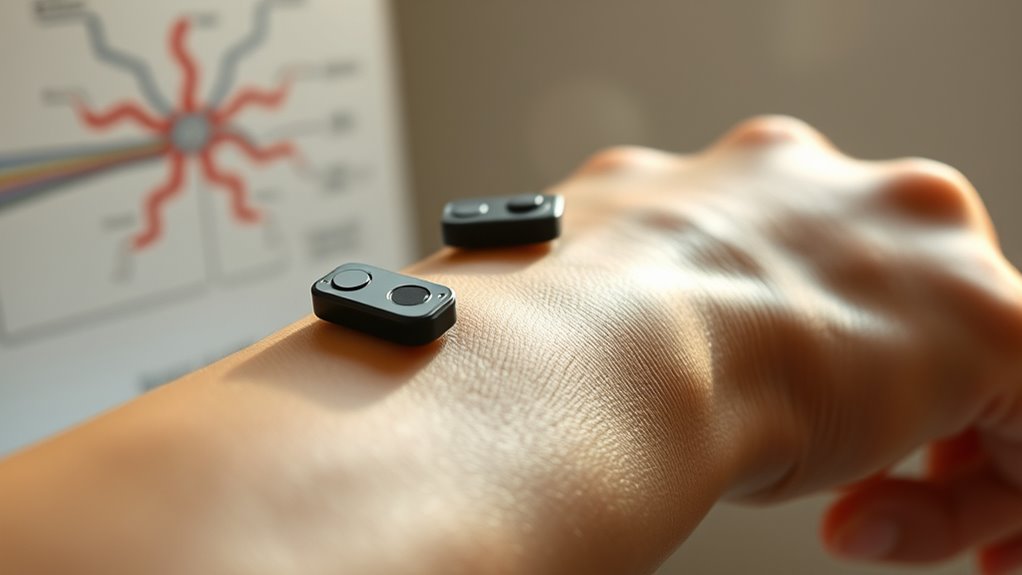
The Gate Control Theory of pain provides a framework for understanding how our nervous system modulates pain signals before they reach the brain. Essentially, your body has a gating system in the spinal cord that controls the flow of neural signals related to pain. When a painful stimulus occurs, specialized nerve fibers called nociceptors transmit signals along neural pathways toward the brain. These pathways determine how you perceive pain, and the gate can either amplify or dampen these signals based on various factors. Your brain’s perception of pain isn’t just a direct response to injury; it’s influenced by the activity within these neural pathways and the state of the gate.
This theory suggests that the gate can be influenced by other sensory inputs or psychological factors. For example, when you experience a strong non-painful stimulus, like pressure from percussive therapy, it can activate larger nerve fibers. These fibers can close the gate, reducing the transmission of pain signals carried by smaller, slower fibers. As a result, you might feel less pain or even temporarily block the sensation altogether. This is why techniques like percussive therapy, which deliver rapid, rhythmic pressure, are effective at modulating pain. They stimulate the neural pathways associated with touch and pressure, effectively “closing” the gate and diminishing the perception of pain.
Your pain perception is highly adaptable because of this gating mechanism. When the gate is closed, the brain receives fewer pain signals, which can lead to relief from discomfort. Conversely, when the gate is open, more signals pass through, intensifying pain perception. Factors like stress, attention, and emotional state can also influence this process. For instance, focusing on soothing stimuli or engaging in distraction techniques can help close the gate, providing relief.
Additionally, understanding the neural pathways involved in pain perception allows for targeted approaches to pain management and therapy. Percussive therapy taps directly into this system by activating large-diameter nerve fibers that inhibit the transmission of pain signals. It doesn’t just provide superficial relief; it leverages the body’s natural pain modulation pathways. By understanding the neural pathways involved in pain perception, you can appreciate how physical interventions like percussive therapy influence your nervous system, ultimately reducing discomfort. Knowing that your nervous system has this built-in mechanism for pain control empowers you to use various techniques to manage pain more effectively. Whether through direct stimulation or psychological strategies, you’re actively engaging your body’s natural gate control system to modulate pain signals before they reach your brain, leading to a more comfortable, pain-managed experience.

TheraGun Therabody Relief – Quiet Deep Tissue Therapy Massage Gun – Bluetooth Enabled, Electric Percussion Massage Gun & Personal Massager for Pain in The Neck, Back, Leg, Shoulder and Foot (Black)
Our gentlest level of percussive massage therapy – perfect for those who prefer a milder, soothing massage that…
As an affiliate, we earn on qualifying purchases.
As an affiliate, we earn on qualifying purchases.
Frequently Asked Questions
Can Percussive Therapy Replace Traditional Pain Medications?
Percussive therapy can serve as an effective alternative therapy for reducing pain perception, but it shouldn’t replace traditional pain medications entirely. It offers a non-invasive way to manage discomfort, especially for muscle soreness and tension. However, for severe or chronic pain, combining percussive therapy with medical treatments is often best. Always consult your healthcare provider to determine the most appropriate pain management plan for your specific needs.
How Quickly Does Percussive Therapy Reduce Pain Signals?
You’ll notice a subtle shift in your neural response within minutes of starting percussive therapy, as it gently influences signal transmission to your brain. This technique temporarily “distracts” the nervous system, reducing pain signals effectively and swiftly. While individual responses vary, many experience quick relief, making percussive therapy a promising complement to traditional methods for easing discomfort and promoting relaxation.
Are There Any Risks Associated With Overusing Percussive Devices?
Overusing percussive devices can lead to risks like tissue damage and device dependency. You might experience increased soreness, bruising, or even nerve irritation if you use the device too frequently or with excessive pressure. To avoid these issues, follow recommended usage guidelines, take breaks, and listen to your body’s signals. Moderation helps prevent tissue harm and keeps you from becoming overly reliant on the device for pain relief.
Does Age Affect the Effectiveness of Pain Modulation Techniques?
Age can influence how effective pain modulation techniques are for you. As you get older, age-related sensitivity and developmental differences might alter your response to therapies like percussive therapy. You may find that younger individuals respond more quickly, while older adults might need longer sessions or different approaches. It’s important to tailor pain management strategies to your age and specific needs for ideal results.
Can the Gate Control Theory Explain Chronic Pain Management?
Yes, the gate control theory can help explain chronic pain management. It suggests that your neural pathways and pain perception are influenced by signals from different nerve fibers. When you apply techniques like percussive therapy, you activate large nerve fibers that close the gate, reducing pain signals. This modulation helps manage chronic pain by altering how your nervous system perceives and processes pain, offering relief through targeted stimulation.

Comfytemp Wireless TENS Unit Machine for Pain Relief, FSA Eligible TENS Unit Muscle Stimulator with 2 Sets, 30 Modes HSA TENS Device for Back, Rechargeable Portable with APP Control, Fathers Day Gift
【A Game Changer for Daily Comfort】Tired of tangled wires from traditional TENS units? Comfytemp wireless TENS unit gives…
As an affiliate, we earn on qualifying purchases.
As an affiliate, we earn on qualifying purchases.
Conclusion
As you now understand, the gate control theory reveals how your nervous system can turn pain signals on or off. But here’s the question—could techniques like percussive therapy release even more effective pain relief? The connection between these methods isn’t fully explored yet, leaving you hanging on the edge of discovery. So, next time you feel pain, will you tap into this hidden potential and see what’s possible? The answer might surprise you.
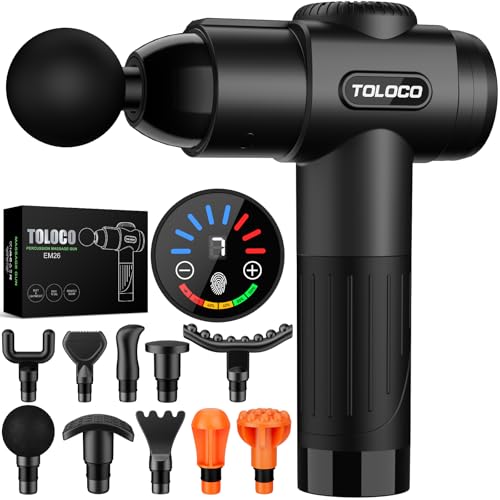
TOLOCO Massage Gun, Deep Tissue Back Massage for Athletes for Pain Relief, Percussion Massager with 10 Massages Heads & Silent Brushless Motor, Fathers Day Dad Gifts, Black
Quick Pain Relief: The TOLOCO deep tissue massage gun has a high penetration force of 12mm, up to…
As an affiliate, we earn on qualifying purchases.
As an affiliate, we earn on qualifying purchases.
TheraGun Therabody Relief – Quiet Deep Tissue Therapy Massage Gun – Bluetooth Enabled, Electric Percussion Massage Gun & Personal Massager for Pain in The Neck, Back, Leg, Shoulder and Foot (Black)
Our gentlest level of percussive massage therapy – perfect for those who prefer a milder, soothing massage that…
As an affiliate, we earn on qualifying purchases.
As an affiliate, we earn on qualifying purchases.