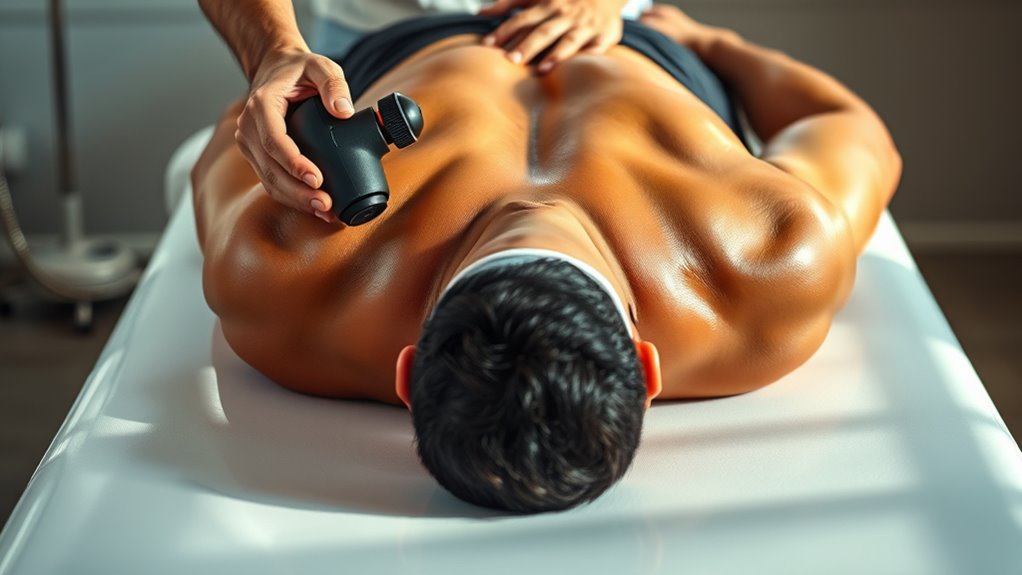
Proper muscle hydration plays a key role in your recovery, boosting muscle flexibility, reducing injury risk, and helping waste products like lactic acid clear more efficiently. Hydrated muscles stay elastic, which minimizes strains and tears. Percussion therapy can enhance these benefits by increasing tissue suppleness and promoting circulation. When your tissues are well-hydrated, treatments work more effectively. To learn how hydration and percussion combine for better recovery, explore more about their connection and advantages.

Get workout gear delivered free — and shop member deals
- Fast, free delivery on millions of items
- Access to Prime Big Deal Days deals on October 6–7
- Prime Video, Amazon Music and more included
Key Takeaways
- Proper hydration enhances muscle elasticity, reducing injury risk during recovery and movement post-exercise.
- Well-hydrated muscles support effective waste removal, including lactic acid, speeding recovery.
- Electrolyte balance helps maintain optimal water levels in muscles, improving their response to percussion therapy.
- Hydrated tissues respond better to percussion, increasing flexibility and promoting circulation.
- AI-based hydration monitoring can optimize recovery strategies, making percussion therapy more effective.
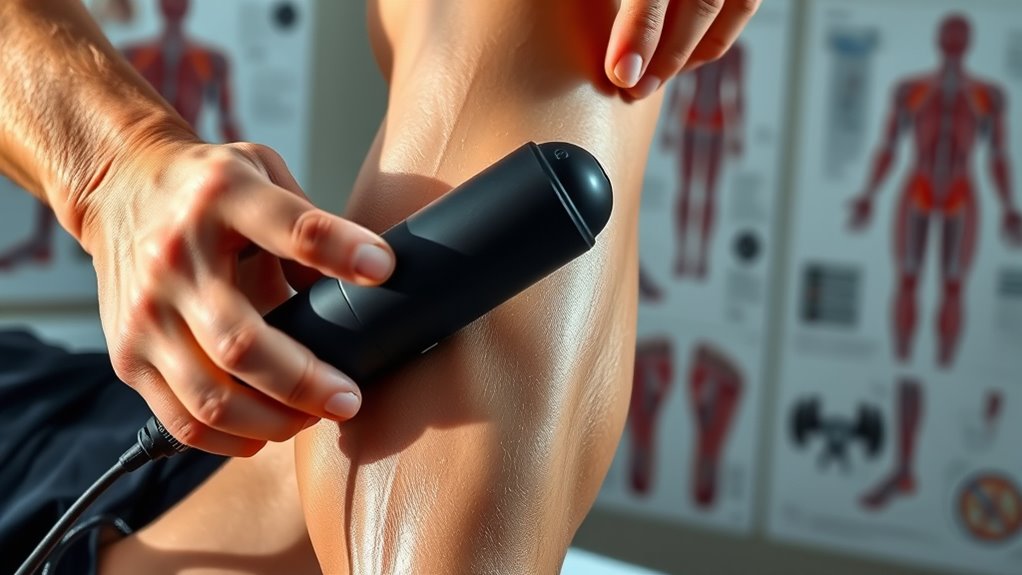
Proper muscle hydration is essential for effective recovery after intense exercise. When your muscles are well-hydrated, they function more efficiently, and your recovery process becomes smoother. One of the key factors in maintaining this hydration is electrolyte balance. Electrolytes like sodium, potassium, magnesium, and calcium are minerals that help regulate the movement of fluids in and out of your muscle cells. When these electrolytes are in proper balance, your muscles can retain the right amount of water, preventing dehydration and reducing the risk of cramps or stiffness. Conversely, imbalances can lead to muscle fatigue and prolonged soreness, making recovery more difficult. Ensuring you replace lost electrolytes through proper nutrition or hydration drinks can help restore this balance quickly, especially after sweating heavily during exercise.
In addition to electrolyte balance, tissue elasticity plays a vital role in muscle recovery. Well-hydrated muscles are more elastic, which means they can stretch and contract without injury. Hydration improves the flexibility of your tissues, reducing the likelihood of strains or tears. When your muscles are dehydrated, they become stiff and less pliable, increasing the risk of injury and prolonging soreness. Proper hydration ensures that your muscle tissues stay supple and resilient. This elasticity also supports better blood flow, allowing nutrients and oxygen to reach damaged tissues more efficiently. As a result, waste products like lactic acid are removed more effectively, which accelerates recovery. Maintaining tissue elasticity through hydration is especially important when using recovery techniques like percussion therapy, as loose, well-hydrated tissues respond better to treatment. Additionally, emerging research on AI-driven diagnostics suggests new ways to monitor and optimize hydration status for improved recovery outcomes.
muscle hydration recovery supplements
As an affiliate, we earn on qualifying purchases.
As an affiliate, we earn on qualifying purchases.
Frequently Asked Questions
How Does Muscle Hydration Affect Long-Term Athletic Performance?
Maintaining proper muscle hydration boosts your long-term athletic performance by supporting electrolyte balance and cellular hydration. When you’re well-hydrated, your muscles function efficiently, reducing fatigue and injury risk. Proper hydration also enhances nutrient delivery and waste removal at the cellular level, helping you recover faster and perform better over time. Keep consuming fluids with electrolytes, stay consistently hydrated, and your athletic endurance and strength will improve naturally.
Can Hydration Levels Influence Injury Risk During Recovery?
Think of your muscles as a delicate ecosystem; if hydration balance falters, you’re more prone to injury. Proper electrolyte management keeps this system running smoothly, reducing strain and cramping risks during recovery. When you stay hydrated, your tissues stay supple and resilient, lowering injury chances. Neglecting hydration levels can turn your recovery into a fragile dance, increasing the risk of setbacks. So, prioritize hydration and electrolyte balance to protect your progress.
What Are the Best Hydration Strategies for Post-Exercise Recovery?
To optimize your post-exercise recovery, focus on maintaining electrolyte balance and increasing fluid intake. Drink water along with electrolyte-rich beverages like sports drinks to replenish lost minerals and fluids. Aim to hydrate within 30 minutes after activity, and continue sipping fluids throughout the day. Proper hydration supports muscle repair, reduces soreness, and prevents dehydration, helping you recover faster and perform better in your next workout.
Does Hydration Impact the Effectiveness of Percussion Therapy?
Yes, hydration influences how effective percussion therapy is. When you’re well-hydrated, your electrolyte balance is maintained, which helps improve muscle elasticity and reduces stiffness. Proper hydration ensures your muscles respond better to percussion, promoting faster recovery and reducing soreness. So, if you want to maximize percussion therapy benefits, keep your hydration levels up by drinking water and electrolytes before and after your sessions.
Are There Signs of Dehydration That Specifically Impair Muscle Recovery?
Yes, dehydration can impair muscle recovery, and signs include poor skin turgor and electrolyte imbalance. If your skin feels less elastic or you experience muscle cramps, these indicate dehydration that hampers healing. Maintaining proper hydration helps preserve electrolyte balance, which is vital for muscle function and recovery. Stay attentive to these signs, hydrate adequately, and consider replenishing electrolytes to support ideal muscle repair and overall recovery.
As an affiliate, we earn on qualifying purchases.
Conclusion
Think of your muscles as a well-tended garden. When you hydrate properly, you’re watering the soil, helping plants thrive and recover. Percussion acts like gentle sunlight, encouraging growth and healing. Neglecting hydration leaves your muscles like a dry, cracked earth—prone to damage. By nurturing your muscle garden with hydration and percussion, you foster resilience and strength, ensuring you’re always ready to bloom again. Keep your recovery garden healthy, and you’ll flourish in every challenge.
As an affiliate, we earn on qualifying purchases.
As an affiliate, we earn on qualifying purchases.
Halloween Picks
halloween
As an affiliate, we earn on qualifying purchases.