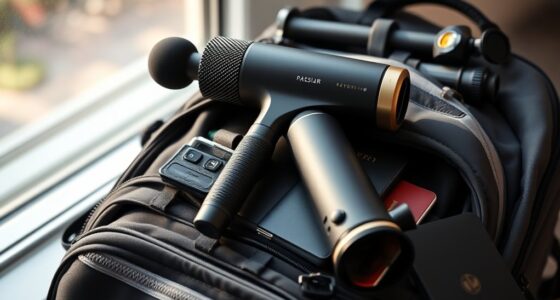
Percussion therapy helps you avoid shoulder and back strain by improving blood flow, relaxing tight muscles, and preventing overuse injuries. Using a percussion device before workouts warms up muscles, making them more flexible, while post-workout sessions break up knots and reduce soreness. Regular use keeps your muscles resilient, supporting injury prevention and better recovery. Keep exploring to discover how this routine can keep you rowing at your best and safe from strain.

Get workout gear delivered free with Prime
- Fast, free delivery on millions of items
- Prime Video, Amazon Music and more included
- Member-only deals all year
Key Takeaways
- Use percussion therapy pre-rowing to warm muscles, increasing flexibility and reducing strain risk.
- Regular post-workout percussion sessions help break up knots and decrease muscle tightness in shoulders and back.
- Consistent therapy promotes muscle balance and resilience, preventing overuse injuries common in rowing.
- Proper application supports faster recovery, minimizing soreness and stiffness that could lead to strain.
- Incorporate percussion therapy alongside stretching and proper technique for comprehensive shoulder and back injury prevention.

Have you ever wondered how top rowers keep their muscles in peak condition? It’s not just about rigorous training and perfect technique—recovery plays a vital role. When you’re pushing your body through intense rowing sessions, your muscles undergo stress, which can lead to soreness, tightness, and even injuries if not managed properly. That’s where percussion therapy becomes a game-changer. This treatment uses percussive devices to deliver rapid, targeted pulses to your muscles, promoting blood flow and helping your body recover faster. By enhancing muscle recovery, percussion therapy guarantees you bounce back quickly after demanding workouts, allowing you to perform at your best day after day.
More importantly, percussion therapy is a powerful tool in injury prevention. Rowing puts a lot of strain on your shoulders and back—areas prone to overuse injuries. When your muscles tighten or become imbalanced, it increases the risk of strains or tears that can sideline you for weeks. Regular use of percussion devices helps maintain flexibility and muscle balance, reducing tension and preventing those nagging injuries. It’s like giving your muscles a tune-up, ensuring they stay supple and resilient against the rigors of training.
Using percussion therapy strategically before and after rowing sessions amplifies its benefits. Pre-workout, it warms up your muscles, making them more pliable and ready to handle the physical demands ahead. This diminishes the chance of strains or pulls during intense rowing. Post-workout, it accelerates muscle recovery by breaking up knots and lactic acid buildup, which can cause soreness and stiffness. This quick recovery process not only keeps you comfortable but also helps you stick to your training schedule without setbacks. Incorporating consistent attention to detail in your recovery routine can significantly improve your overall muscle health and reduce injury risk.
Consistency is key when it comes to injury prevention and muscle recovery. Incorporating percussion therapy into your routine—whether through professional sessions or handheld devices—can greatly improve your muscle health over time. It’s a proactive approach that keeps your shoulders and back more flexible, less prone to injury, and ready for the next challenge. As a rower, staying injury-free means more training, better technique, and ultimately, better performance. Percussion therapy isn’t a replacement for proper training and stretching, but it’s an effective complement that helps you maintain peak condition and avoid setbacks. When your muscles recover efficiently and stay injury-free, you can focus on what matters most: rowing your best race.
Products Worth Considering

Hyperice Hypervolt Go 3 Lightweight Percussion Massage Gun with Carry Case

Hyperice Venom 2 Heated Vibration Back Wrap
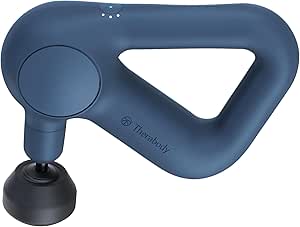
Therabody Theragun Relief Massage Gun, 3-Speed, Navy
As an affiliate, we earn on qualifying purchases.
Frequently Asked Questions
Can Percussion Therapy Replace Traditional Stretching Routines?
Percussion therapy can’t replace traditional stretching routines, but it makes great stretching alternatives for muscle relaxation. You can use it to target tight muscles, improve circulation, and reduce soreness, complementing your stretching. While percussion therapy offers quick relief and deep muscle stimulation, stretching improves flexibility and joint range of motion. Combining both ensures ideal muscle health and injury prevention, especially for rowers aiming to avoid shoulder and back strain.
How Often Should Rowers Use Percussion Therapy for Best Results?
You should use percussion therapy 2-3 times a week, aligning with your recovery timing and activity level, to optimize results. Follow the frequency guidelines to prevent overuse and guarantee your muscles recover properly. After intense rowing sessions, applying percussion therapy for 10-15 minutes can help reduce shoulder and back strain. Consistency is key—listen to your body and adjust the frequency as needed for best recovery and performance.
Is Percussion Therapy Suitable for Beginners or Only Experienced Athletes?
Percussion therapy is beginner-friendly and suitable for all athletes, including those new to rowing. As a beginner, you can start with gentle, shorter sessions to see how your body responds. It’s a safe, effective way to relieve muscle tension and prevent strain. Just make certain you follow proper techniques and consult a coach or specialist if you’re unsure. Over time, you can gradually increase intensity and duration as your comfort and experience grow.
Are There Any Risks or Side Effects From Percussion Therapy?
Think of percussion therapy like tuning a guitar—if used improperly, it can cause more harm than good. Risks include muscle damage and nerve irritation if pressure is too intense or applied too long. Some people may experience soreness or bruising. Always start gently, listen to your body, and consult a professional if you notice persistent discomfort. Proper technique minimizes side effects and maximizes benefits.
What Age Groups Can Safely Benefit From Percussion Therapy?
You can safely benefit from percussion therapy at most age groups, but age-specific benefits vary. Young athletes may experience improved recovery and flexibility, while older individuals might find relief from muscle tightness and joint stiffness. Keep in mind therapy safety considerations like avoiding sensitive areas or recent injuries. Always consult a healthcare professional to ensure percussion therapy is appropriate for your age and health condition, maximizing benefits while minimizing risks.
Conclusion
Incorporating percussion therapy into your routine is like giving your muscles a gentle, yet powerful, massage—helping to prevent shoulder and back strain before it starts. It’s a simple, effective tool to keep your body in top shape, so you can row stronger and longer. Don’t wait until discomfort hits; use percussion therapy regularly and stay ahead of injury, just like a captain steering clear of rough waters. Keep your body ready for every mile ahead.