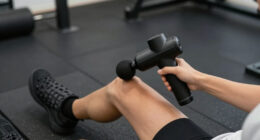
Recovery is often overlooked but essential for staying active. It helps your muscles repair, reduces soreness, and prevents injuries, so you can keep going without setbacks. Without proper rest, overtraining leads to fatigue, strain, and burnout. Incorporating recovery strategies like rest days, stretching, and nutrition keeps you flexible and avoids injuries. Prioritizing recovery boosts your long-term progress and keeps you motivated. Stick with me, and you’ll discover how to make recovery your secret to lasting activity.
Key Takeaways
- Many overlook recovery, risking injury and burnout that hinder consistent activity.
- Without proper rest, muscles don’t heal, leading to fatigue and decreased performance.
- Neglecting recovery can cause overtraining, increasing injury risk and reducing motivation.
- Recovery strategies enhance long-term progress by preventing setbacks and maintaining flexibility.
- Prioritizing recovery ensures sustainable activity levels and overall health benefits.

Staying active is essential for maintaining overall health, but knowing how to recover properly is equally important to avoid injuries and guarantee long-term progress. Recovery isn’t just about taking a break; it’s a critical part of your fitness routine that supports muscle repair and strengthens your body against future strain. When you push yourself during workouts, tiny tears occur in your muscle fibers. Proper recovery allows these fibers to heal stronger, making your muscles more resilient and capable of handling increased intensity over time. Neglecting recovery can lead to overtraining, which raises your risk of injury and hampers your progress. That’s why integrating deliberate recovery strategies is key to staying active sustainably.
Recovery supports muscle repair and resilience, preventing injury and enabling sustainable progress in your fitness journey.
One of the most vital aspects of recovery is giving your muscles enough time to repair. When you rest, blood flow increases to your muscles, delivering oxygen and nutrients essential for repair processes. This helps to rebuild damaged tissues, reduce soreness, and restore energy stores. Without sufficient recovery, your muscles remain in a state of stress, leading to fatigue and an increased chance of strains or tears. By prioritizing muscle repair through rest days, stretching, and proper nutrition, you help your body heal efficiently and prepare for your next workout. This proactive approach not only enhances performance but also minimizes injury risk, ensuring you stay active longer without setbacks. Incorporating proper recovery techniques like foam rolling and massage can also promote muscle relaxation and flexibility. Additionally, understanding the importance of muscle recovery can motivate you to stay consistent with your routines and avoid burnout.
Injury prevention is closely tied to your recovery routine. Overworked muscles and joints become more vulnerable, and fatigue can impair your form and coordination, raising the likelihood of accidents. Taking time for recovery, therefore, isn’t just about feeling better; it’s a safeguard against injuries that could sideline you for weeks. Incorporating techniques like foam rolling, massage, or low-impact activities on rest days helps release muscle tension and promotes flexibility, further reducing injury risk. Additionally, listening to your body’s signals—such as persistent soreness or pain—allows you to modify your activity level before problems develop. Remember, recovery isn’t a sign of weakness but a strategic move to keep your body healthy and capable of staying active over the long haul.
Ultimately, recovery should be viewed as an integral part of your active lifestyle. It’s where your body heals, strengthens, and prepares for future challenges. By emphasizing muscle repair and injury prevention through adequate rest and proper care, you set yourself up for sustained progress and fewer setbacks. Staying active is about consistency, and recovery is your secret weapon for maintaining that consistency without risking burnout or injury. When you prioritize recovery, you’re investing in your long-term health and fitness, making sure that every effort you put in today pays off in the future.

TriggerPoint Grid 1.0 Foam Roller – 13" Multi-Density Massage Roller for Deep Tissue & Muscle Recovery – Relieves Tight, Sore Muscles & Kinks, Improves Mobility & Circulation – Targets Key Body Parts
IMPROVE MUSCLE RECOVERY – Multi-density GRID features a three-dimensional surface that provides more efficient muscle recovery by promoting…
As an affiliate, we earn on qualifying purchases.
As an affiliate, we earn on qualifying purchases.
Frequently Asked Questions
How Long Should Recovery Periods Last After Intense Workouts?
You should rest for about 24 to 72 hours after intense workouts, depending on your activity level and fitness. During this recovery period, your body focuses on muscle repair and energy replenishment. If you push too hard without adequate rest, you risk injury and fatigue. Listen to your body, and make sure you allow enough time for muscle repair and energy replenishment to stay active and avoid burnout.
Can Recovery Prevent Future Injuries?
Think of your body as a castle under siege. Recovery acts like the moat, preventing invaders—injuries—from breaching your defenses. By prioritizing rest, you enable muscle repair and strengthen your resilience, effectively reducing injury risk. Without this crucial pause, your defenses weaken, making future injuries more likely. So, yes, proper recovery is essential for injury prevention, helping you stay active longer and stronger.
Is Active Recovery More Effective Than Complete Rest?
Active recovery is more effective than complete rest because it promotes muscle healing and aids mental relaxation. Moving gently helps clear lactic acid buildup, reducing soreness and speeding up recovery. Plus, staying active keeps your mind engaged and reduces stress, making it easier to stay motivated. By incorporating light activities, you support both physical and mental well-being, ensuring you’re ready to get back to more intense workouts faster and healthier.
What Are the Best Recovery Foods for Athletes?
You should focus on foods rich in antioxidants and anti-inflammatory properties, like berries, cherries, and leafy greens, to help your muscles recover. Incorporate lean proteins such as chicken or fish to repair tissues, and don’t forget post-workout hydration with water or electrolyte drinks to replenish lost fluids. These foods and drinks reduce inflammation, speed up recovery, and keep you active longer, making your recovery process more effective.
How Does Sleep Impact Recovery and Activity Levels?
Sleep impacts your recovery and activity levels profoundly. Good sleep hygiene guarantees you get quality rest, allowing your body to repair and rebuild muscles effectively. During restorative practices like deep sleep, your body releases growth hormones that boost recovery. When you prioritize sleep, you’ll notice increased energy, better performance, and reduced injury risk. Skipping restorative sleep can hinder your progress, making it harder to stay active and achieve your fitness goals.

TOLOCO Massage Gun, Deep Tissue Back Massage for Athletes for Pain Relief, Percussion Massager with 10 Massages Heads & Silent Brushless Motor, Fathers Day Dad Gifts, Carbon
Quick Pain Relief: The TOLOCO deep tissue massage gun has a high penetration force of 12mm, up to…
As an affiliate, we earn on qualifying purchases.
As an affiliate, we earn on qualifying purchases.
Conclusion
Remember, recovery isn’t just a break; it’s an essential part of staying active. Skipping rest can lead to injuries and burnout, derailing your progress. Did you know that over 70% of athletes report improved performance after incorporating proper recovery? So, listen to your body, prioritize rest, and give yourself time to recharge. That way, you’ll stay motivated, avoid setbacks, and enjoy a sustainable, active lifestyle. Recovery truly is the missing link to long-term success.

Xtend Original BCAA Powder, 7g BCAAs and 2.5g L-Glutamine for Muscle Recovery Hydration and Lean Muscle, Sugar Free Intra and Post Workout Drink with Electrolytes, Watermelon Explosion, 30 Servings
THE WORLD’S #1 BCAA BRAND: XTEND leads global recovery with 7g of BCAAs in the proven 2:1:1 ratio…
As an affiliate, we earn on qualifying purchases.
As an affiliate, we earn on qualifying purchases.

Trideer Stretching Strap Yoga Strap Physical Therapy for Home Workout, Exercise, Pilates and Gymnastics, 10 Loops Non-Elastic Stretch Bands with Aesthetic Packaging for Women & Men (Black)
Home PT Strap for Independence (3 Recovery Stages) – A physical therapy stretching strap designed for gentle knee/hip/leg…
As an affiliate, we earn on qualifying purchases.
As an affiliate, we earn on qualifying purchases.