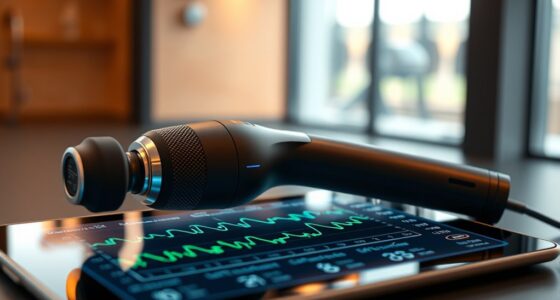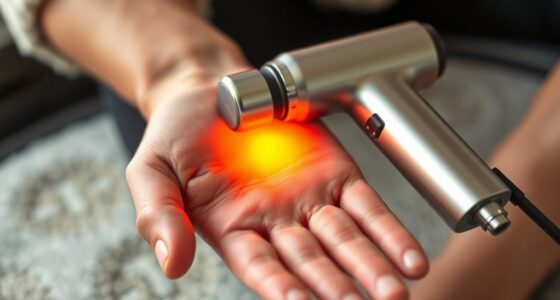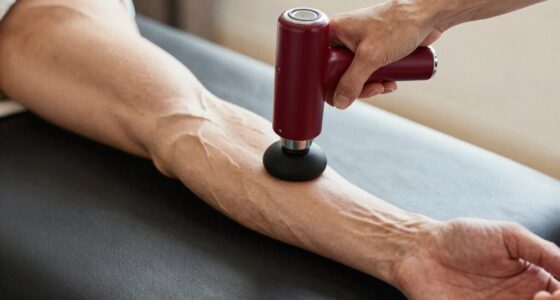
Myotonometric parameters help you understand how your muscles respond and recover after activity or injury. They measure muscle tone, stiffness, and elasticity, indicating whether your muscles are still tense, relaxing, or regaining normal function. By tracking these factors, you can see if you’re recovering well or need more rest or therapy. Keep exploring to learn how these insights can optimize your recovery and prevent injury.
Key Takeaways
- Myotonometric parameters reveal muscle stiffness and elasticity, indicating whether muscles are recovering or still tense post-activity.
- Changes in tissue elasticity suggest improvements in muscle flexibility or lingering tightness affecting recovery.
- Monitoring muscle tone helps identify fatigue levels and guides optimal timing for resumed training.
- Variations in stiffness and elasticity can signal ongoing healing or potential risk of injury if abnormal.
- Regular assessment with myotonometry supports personalized recovery strategies by tracking muscle property changes over time.
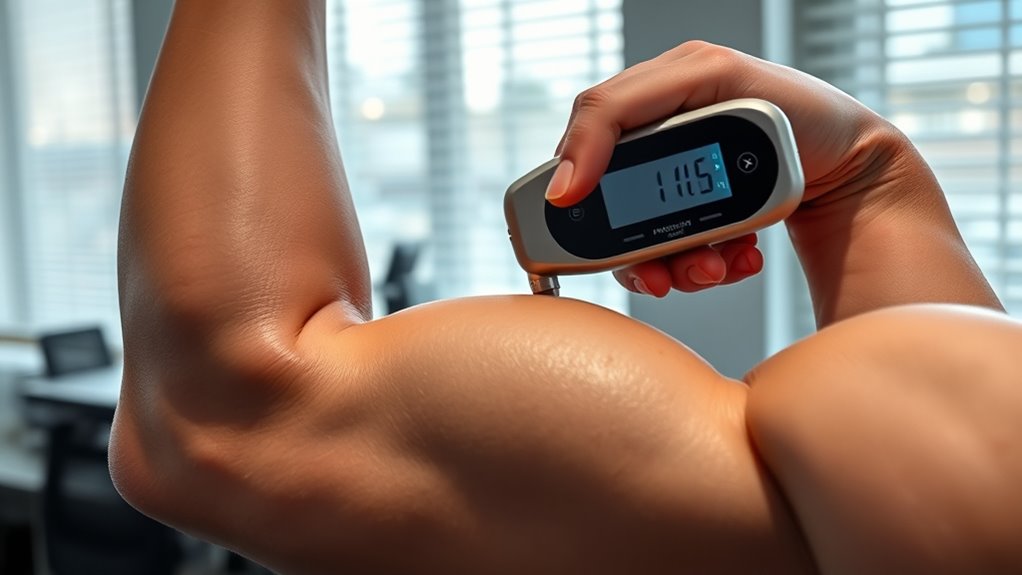
Myotonometric parameters are essential for evaluating muscle properties such as tone, stiffness, and elasticity. When you use a myotonometer, you gain valuable insights into how your muscles respond and recover after activity or injury. One of the key aspects you’ll observe is muscle stiffness, which reflects how resistant your muscles are to deformation. High muscle stiffness can indicate muscle tension, fatigue, or ongoing recovery processes, whereas lower stiffness suggests muscles are relaxing and returning to normal. Understanding this helps you assess whether your muscles are recovering properly or if they need more rest or targeted therapy.
Tissue elasticity is another critical parameter obtained through myotonometry. It measures how well your muscles and surrounding tissues can return to their original shape after being stretched or compressed. Improved tissue elasticity indicates good recovery, flexibility, and resilience, while reduced elasticity may signal lingering tightness, scar tissue, or incomplete healing. By analyzing tissue elasticity, you can determine if your muscles are regaining their normal function or if there’s ongoing stiffness that could predispose you to injury. Additionally, muscle properties such as tone and elasticity can be influenced by factors like hydration, temperature, and activity level, which should be considered during assessment.
Monitoring these parameters over time allows you to tailor your recovery process more effectively. For example, if muscle stiffness remains elevated several days after a workout, it might be a sign that you need additional stretching, hydration, or rest. Conversely, if stiffness drops too quickly, it could mean your muscles are not adequately engaged or that inflammation is subsiding prematurely, which might risk incomplete recovery. Similarly, tracking tissue elasticity helps you identify whether your muscles are regaining their flexibility or if they’re still tight, which could limit movement and increase injury risk.
Using myotonometry as part of your recovery routine provides immediate, quantifiable feedback. Instead of relying solely on subjective feelings of soreness or fatigue, you get precise data on muscle behavior. This helps you make informed decisions about when to resume training, modify your activities, or seek professional care. It also enables you to compare different recovery strategies, such as massage, stretching, or physical therapy, based on how they influence muscle stiffness and tissue elasticity.
Ultimately, understanding your myotonometric parameters empowers you to optimize your recovery process. By paying close attention to muscle stiffness and tissue elasticity, you can prevent overtraining, reduce injury risk, and ensure your muscles are functioning at their best. Regular assessments guide you toward more personalized, effective recovery strategies, helping you stay active, healthy, and ready for your next challenge.
myotonometer for muscle recovery
As an affiliate, we earn on qualifying purchases.
As an affiliate, we earn on qualifying purchases.
Frequently Asked Questions
How Do Myotonometric Readings Vary With Different Athletic Activities?
Your myotonometric readings change depending on the athletic activity you’re doing. After intense workouts, muscle stiffness increases, leading to higher readings. During recovery, these readings decrease as your muscles relax. Different activities affect recovery timelines; for example, strength training causes longer-lasting stiffness, while lighter activities recover faster. Monitoring these parameters helps you understand your recovery process and optimize training, ensuring you avoid overtraining and reduce injury risks.
Can Myotonometry Detect Early Signs of Muscle Fatigue?
A stitch in time saves nine, and the same applies to muscle fatigue detection. Myotonometry can identify early signs of muscle fatigue by measuring changes in muscle stiffness. When you notice increased stiffness, it often signals impending fatigue, allowing you to adjust your training. This early detection helps prevent injury and optimize recovery, giving you an edge in maintaining peak performance. Keep an eye on those readings—your muscles are speaking to you.
What Are the Limitations of Myotonometric Measurements?
You should be aware that myotonometric measurements have limitations, such as measurement inaccuracies and equipment variability. These issues can affect the consistency and reliability of your results, especially if the device isn’t calibrated properly or if external factors interfere during testing. To minimize these limitations, verify proper equipment maintenance and standardized testing procedures, so you get the most accurate insights into muscle recovery and condition.
How Often Should Myotonometric Assessments Be Performed?
You should perform myotonometric assessments regularly, ideally during the resting state, to accurately track your recovery progress. After intense exercise, use post-exercise analysis to identify muscle fatigue or tension changes. Typically, assessments every few days or weekly are sufficient, but adjust frequency based on your activity level and recovery needs. Consistent measurements help you understand your muscle response and optimize your training or rehabilitation plan effectively.
Are Myotonometric Parameters Affected by Hydration Levels?
Think of your muscles as a sponge—hydration impact can make them more supple or stiff. When you’re well-hydrated, myotonometric parameters often show decreased muscle stiffness, making assessments more accurate. Conversely, dehydration can increase stiffness and give false readings. So, stay hydrated to guarantee your muscle measurements reflect true recovery status, not just fluid levels. Proper hydration helps your muscles perform their best and provides clearer insights.

Handheld Body Fat Loss Monitor Digital Body Fat Analyzer BMI Meter Body Fat Measurement Device for , Fitness Monitoring, Health
【EASY TO COMPARE】This fat percentage measurer can store data for up to nine definable users and their records…
As an affiliate, we earn on qualifying purchases.
As an affiliate, we earn on qualifying purchases.
Conclusion
Understanding myotonometric parameters helps you gauge muscle recovery effectively. By paying attention to these measurements, you can tailor your training and avoid setbacks. Remember, “a stitch in time saves nine”—addressing recovery early prevents bigger issues down the line. Stay mindful of your body’s signals, and use this data to optimize your progress. Consistent monitoring guarantees you’re on the right path, turning insights into improved strength and resilience.

Balance Board,2026 New all motion exerciser,Portable Ski Balancing Machine with Lcd Monitor and Elastic Bands,Adjustable Intensity/Non-Slip Ma Pedal, Silent Exercise for Home (C)
Balance Board: Engineered for at-home aerobic workouts, this innovative fitness balance board helps you burn calories and tone…
As an affiliate, we earn on qualifying purchases.
As an affiliate, we earn on qualifying purchases.

YOUR COMPLETE GUIDE TO UNDERSTANDING AND RECOVERY FROM DYSTONIA: A Neurological Guide Detailing Motor Control Mechanisms, Precision Assessment Tools, … Therapies, and Rehabilitation Techniques
As an affiliate, we earn on qualifying purchases.
As an affiliate, we earn on qualifying purchases.