Percussion therapy uses rapid taps to relax muscles and boost blood flow, helping reduce soreness and stiffness. Compression therapy applies targeted pressure to improve circulation, reduce swelling, and promote relaxation. Cryotherapy exposes your body or areas to cold to quickly decrease inflammation, numb pain, and speed healing. Each method offers unique benefits depending on your recovery needs. Keep exploring to understand how combining these modalities can optimize your recovery process even more.
Key Takeaways
- Percussion therapy targets deep muscles to relax tightness and enhance blood flow, aiding soreness relief and faster recovery.
- Compression therapy applies controlled pressure to reduce swelling, improve circulation, and support ongoing inflammation management.
- Cryotherapy utilizes cold exposure to constrict blood vessels, reduce inflammation, numb pain, and accelerate tissue repair.
- Combining these modalities offers a comprehensive approach, addressing muscle relaxation, inflammation reduction, and pain relief.
- Choice depends on specific recovery goals: percussion for deep muscle work, compression for swelling, cryotherapy for rapid inflammation control.

Recovery after intense physical activity is essential for ideal performance and injury prevention, but choosing the right modality can be challenging. When it comes to optimizing recovery, understanding how different methods promote muscle relaxation and inflammation reduction is key. Percussion therapy, compression, and cryotherapy each have unique benefits that cater to various recovery needs, making it important to know how they work and what outcomes you can expect.
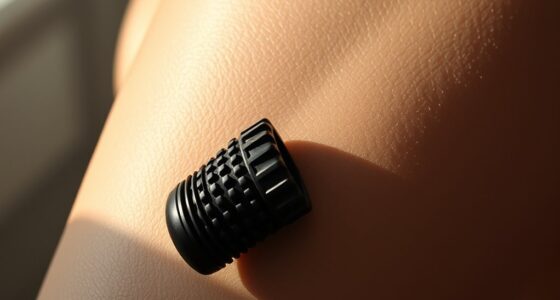
Percussion therapy involves using a device that delivers rapid, targeted taps to your muscles. This modality is highly effective for muscle relaxation because it helps loosen tight muscles and reduce muscle soreness. The percussive motions increase blood flow, which accelerates the removal of metabolic waste products and eases muscle tension. By promoting relaxation, percussion therapy can help you feel less stiff and improve flexibility after a tough workout. Moreover, its ability to stimulate circulation aids in inflammation reduction, decreasing swelling and easing discomfort. The deep tissue massage effect can also break down adhesions and trigger points, making it a popular choice for athletes seeking fast relief from tightness and soreness.
Percussion therapy relaxes muscles, boosts blood flow, and reduces soreness for faster recovery after workouts.
Compression therapy employs garments or devices that exert controlled pressure on your limbs. This method primarily targets inflammation reduction by encouraging lymphatic and blood flow, which helps flush out excess fluids and metabolic waste. By maintaining pressure during and after activity, compression can minimize swelling and prevent the buildup of inflammation that often accompanies intense exercise. It also supports muscle relaxation by limiting unnecessary movement and reducing muscle oscillations, which can cause fatigue and soreness. Many athletes find that wearing compression gear post-exercise accelerates recovery, allowing them to perform at their best sooner. The consistent pressure not only reduces inflammation but also provides a soothing sensation, contributing to overall relaxation.
Cryotherapy, or cold therapy, involves exposing your body or specific areas to extremely cold temperatures. This modality is particularly effective at reducing inflammation quickly, as cold constricts blood vessels and limits swelling. It’s also excellent for muscle relaxation because the cold numbs nerve endings, dulling pain and reducing muscle spasms. Whole-body cryotherapy chambers or localized ice packs are common options, and they can help you recover faster from inflammation and soreness. Cold therapy is especially useful after intense training sessions or competitions, as it helps decrease inflammation and promotes quicker tissue repair. The numbing effect can bring immediate relief, making it easier to relax tense muscles and reduce discomfort.
Each recovery modality offers distinct advantages for muscle relaxation and inflammation reduction. Your choice depends on your specific needs, preferences, and the type of recovery you require. Percussion therapy may be your go-to for deep muscle relaxation, compression for ongoing inflammation control, and cryotherapy for rapid inflammation reduction and pain relief. Combining these methods can provide a holistic approach to recovery, ensuring you get back to your best performance with less soreness and a lower risk of injury.
percussion massage gun for muscle recovery
As an affiliate, we earn on qualifying purchases.
As an affiliate, we earn on qualifying purchases.
Frequently Asked Questions
Are There Any Risks Associated With Combining Different Recovery Methods?
Yes, combining different recovery methods can pose risks. You might experience potential side effects like skin irritation, bruising, or nerve sensitivity, especially if safety precautions aren’t followed. Always check with a healthcare professional before mixing modalities, and listen to your body. Using techniques correctly and avoiding overuse helps minimize risks, ensuring you get the benefits without unintended harm. Safety should always come first when combining recovery methods.
How Do Individual Preferences Influence Recovery Modality Effectiveness?
Your individual preferences greatly influence recovery effectiveness because personal comfort determines how consistently you use a method. If you find percussion therapy relaxing or compression suits your body, you’re more likely to stick with it. Tech adaptability also plays a role—if a recovery modality integrates well with your lifestyle and equipment, you’re more motivated to incorporate it regularly. Ultimately, choosing methods that feel right boosts your recovery success.
What Is the Cost Difference Between Percussion, Compression, and Cryotherapy?
Money doesn’t grow on trees, so understanding costs matters. Percussion devices often have higher upfront equipment costs, ranging from $300 to over $1,000, but some offer rental or lower-priced options. Compression systems are typically more affordable, with pricing options from $50 to $500. Cryotherapy chambers are the priciest, with equipment costs starting around $20,000. Consider your budget and needs to choose the best recovery modality without breaking the bank.
Can Recovery Modalities Be Tailored for Specific Sports or Activities?
Yes, you can tailor recovery modalities to suit specific sports or activities. For sport-specific recovery, you’ll choose activity-tailored modalities that address your unique demands. For example, runners may benefit from compression therapy to reduce swelling, while weightlifters might prefer percussion therapy for muscle relaxation. By customizing recovery strategies, you optimize your performance and recovery, ensuring each modality aligns with your sport’s unique needs and helps prevent injuries.
How Long Should Each Recovery Session Typically Last for Optimal Results?
For ideal results, your recovery session duration varies by modality. Percussion therapy usually lasts 1-2 minutes per muscle group to prevent overstimulation. Compression sessions typically run 15-20 minutes to improve circulation and reduce swelling. Cryotherapy is most effective with 10-15 minute sessions, ensuring you avoid frostbite. Focus on perfect timing by aligning session lengths with your activity level, allowing your body to recover efficiently without overdoing it.
compression therapy sleeves for swelling
As an affiliate, we earn on qualifying purchases.
As an affiliate, we earn on qualifying purchases.
Conclusion
Remember, every recovery method has its own strengths—percussion, compression, and cryotherapy each offer unique benefits. Try them out to see what works best for you, because different strokes suit different folks. As the saying goes, “Variety is the spice of life,” so don’t hesitate to mix and match your recovery routines. Keep experimenting, stay consistent, and you’ll bounce back stronger than ever!
As an affiliate, we earn on qualifying purchases.