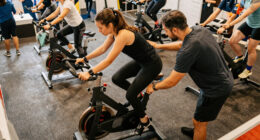
After your intense workout, focus on eating enough protein and healthy carbs to repair muscles and replenish energy. Hydrate well and consider electrolytes if you’ve sweated a lot. Prioritize quality sleep and create a calming bedtime routine to support recovery. Incorporate light activities, stretching, or foam rolling to boost blood flow. Watch for signs of fatigue or overtraining, and adjust your routine as needed. Keep these tips in mind, and discover how to optimize your recovery even further.

Get workout gear delivered free with Prime
- Fast, free delivery on millions of items
- Prime Video, Amazon Music and more included
- Member-only deals all year
Key Takeaways
- Consume protein and healthy carbs promptly after the workout to support muscle repair and replenish glycogen.
- Prioritize quality sleep and use calming routines to enhance recovery and reduce fatigue.
- Engage in light active recovery like walking or stretching to promote blood flow and muscle relaxation.
- Stay well-hydrated and replenish electrolytes if sweating was intense during the workout.
- Monitor your body for signs of overtraining and adjust rest and activity levels accordingly.

After a short, intense workout, your body needs targeted recovery strategies to bounce back quickly and prevent injury. You’ve pushed yourself hard, and now it’s essential to support your muscles and energy systems with effective nutrition strategies. Prioritize protein intake soon after your workout to supply amino acids for muscle repair. Include healthy carbs to replenish glycogen stores, especially if your session was particularly demanding. Hydrate thoroughly to replace fluids lost through sweat, and consider adding electrolytes if you felt excessive sweating. These nutritional choices accelerate recovery, reduce soreness, and prepare you for your next session.
Fuel your recovery with protein, healthy carbs, and proper hydration to restore muscles and energy quickly.
Sleep optimization plays a vital role in recovery after intense exercise. When you sleep well, your body produces growth hormone and other repair factors that help heal muscles and restore energy. Aim for at least 7–9 hours of quality sleep each night, especially after workouts that push your limits. Create a calming bedtime routine, avoid screens before sleep, and keep your sleep environment cool and dark to improve rest quality. If you find yourself waking up sore or tired, consider short naps during the day to supplement restorative sleep and boost your recovery process.
In addition to nutrition and sleep, active recovery can help your body adapt and rebuild. Light activities like walking or gentle stretching encourage blood flow to sore muscles, which delivers nutrients and clears waste products. This doesn’t mean doing another intense workout but rather engaging in low-impact movements that promote circulation. Post-workout stretching can also alleviate tightness and improve flexibility, reducing the risk of injury in future sessions. Incorporate foam rolling or self-massage techniques to target tight areas, which can help break down adhesions and speed up muscle recovery.
Monitoring your body’s signals is equally important. If you notice persistent soreness or fatigue, give yourself extra rest days and focus on restorative practices like yoga or meditation to reduce stress and support recovery. Overtraining can lead to setbacks, so listen to your body and avoid pushing through pain that feels abnormal. Staying consistent with your recovery routines—including proper nutrition, sleep, and gentle movement—sets the foundation for better performance and resilience. When you treat your body well after each workout, you’ll find yourself bouncing back faster and feeling stronger with every session.
Products Worth Considering

Withings Sleep Under-Mattress Sleep Tracking Pad

Bowflex SelectTech 840 Adjustable Kettlebell

Blueair Blue Pure 511i Max Smart Air Purifier
As an affiliate, we earn on qualifying purchases.
Frequently Asked Questions
What Supplements Can Enhance Recovery After Intense Workouts?
To enhance recovery after intense workouts, you should focus on adequate protein intake to support muscle repair and growth. Incorporate antioxidant support, like vitamins C and E, to reduce oxidative stress and inflammation. Consider supplementing with BCAAs to lessen soreness and promote quicker recovery. Hydrate well, and include nutrient-rich foods to optimize your body’s repair process. These strategies help you bounce back faster and prepare for your next high-intensity session.
How Does Sleep Quality Impact Recovery?
Good sleep quality considerably boosts recovery—studies show that deep, restful sleep enhances muscle repair and reduces soreness. You should prioritize sleep hygiene, ensuring your environment is cool and dark, and aim for seven to nine hours of rest duration each night. Poor sleep can impair your body’s ability to recover efficiently, so maintaining consistent sleep habits helps you bounce back faster from intense workouts and reach your fitness goals.
Are There Specific Stretches for Post-Workout Recovery?
Yes, incorporating stretching routines and cool-down exercises after your workout helps your recovery. Focus on gentle stretches targeting muscles you’ve worked, like hamstrings, quads, and calves, to reduce tightness and improve flexibility. Use cool-down exercises such as walking or light cycling to gradually lower your heart rate. Consistent stretching and cooling down prevent stiffness, enhance circulation, and speed up muscle repair, ensuring you’re ready for your next workout.
Can Recovery Techniques Vary Based on Workout Type?
Your recovery techniques should adapt like a chameleon to your workout type. For strength training, focus on nutrition planning with high-protein foods and mental relaxation to reduce stress. Cardio sessions demand hydration and gentle stretching, while high-intensity interval training benefits from active recovery and mindfulness. Tailoring these methods accelerates healing, prevents injury, and keeps your body ready for the next challenge—because your recovery shouldn’t be ordinary, it should be extraordinary.
How Do Hydration Levels Affect Muscle Repair?
Hydration levels directly impact muscle repair by maintaining electrolyte balance and muscle hydration. When you’re well-hydrated, your muscles recover faster because electrolytes like sodium, potassium, and magnesium support nerve function and muscle contractions. Proper muscle hydration prevents cramps and soreness, ensuring nutrients reach your muscles efficiently. To optimize recovery, drink water with electrolytes after workouts, and monitor your hydration to keep electrolyte balance in check, speeding up healing and reducing fatigue.
Conclusion
Remember, recovery is your secret weapon—think of it as your personal alchemy for turning sweat into strength. Prioritize proper nutrition, hydrate like a seasoned sailor, and don’t skip your rest days. Incorporate gentle stretching or a quick walk to keep the blood flowing. By treating recovery as an essential part of your workout, you’ll boost your gains and avoid the pitfalls of overexertion. After all, even Hercules needed his rest between labors—so, take yours wisely.