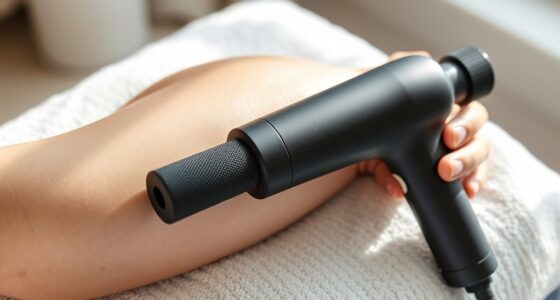
Avoid using a massage gun if you notice signs of injury, inflammation, or pain, like swelling, redness, or sensitive areas. Don’t apply it over open wounds, skin conditions, or after recent surgery, as it can worsen healing or cause infection. Be cautious if you have circulatory issues or deep vein thrombosis, since vibrations might dislodge clots. Also, steer clear during fever or illness to prevent extra stress. For detailed safety tips, keep going to learn more.

Get workout gear delivered free — and shop member deals
- Fast, free delivery on millions of items
- Access to Prime Big Deal Days deals on October 6–7
- Prime Video, Amazon Music and more included
Key Takeaways
- Avoid using a massage gun on swollen, red, or warm areas indicating injury or inflammation.
- Do not apply to open wounds, skin conditions, or recent surgical sites to prevent infection and delayed healing.
- Refrain from using over areas with blood clots or circulatory issues to prevent dislodging clots or worsening circulation.
- Wait until inflammation subsides after injury or surgery before using a massage gun to avoid prolonging healing.
- Avoid during illness or fever, as deep vibrations can worsen symptoms and interfere with recovery.
Signs of Acute Injury or Inflammation
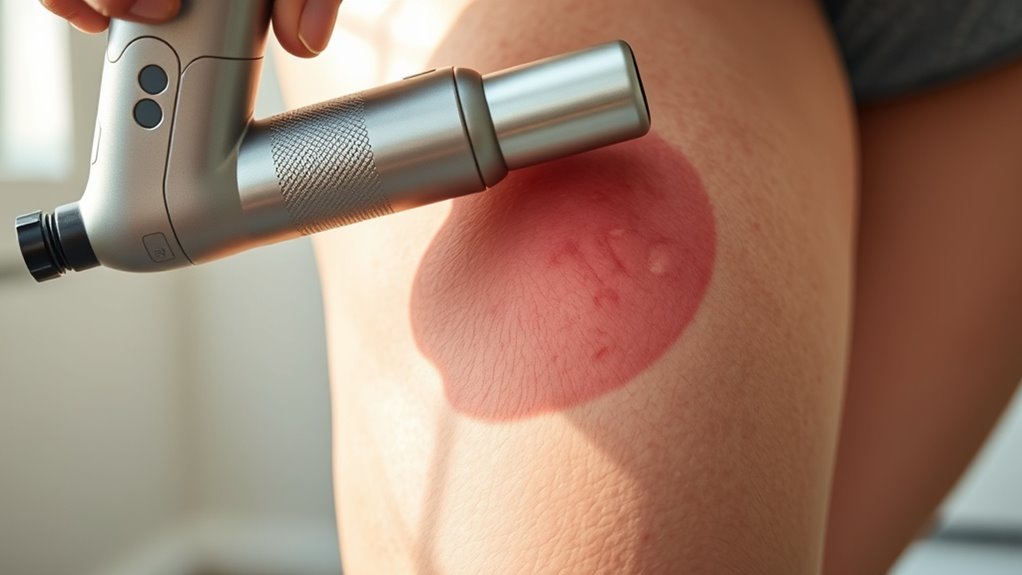
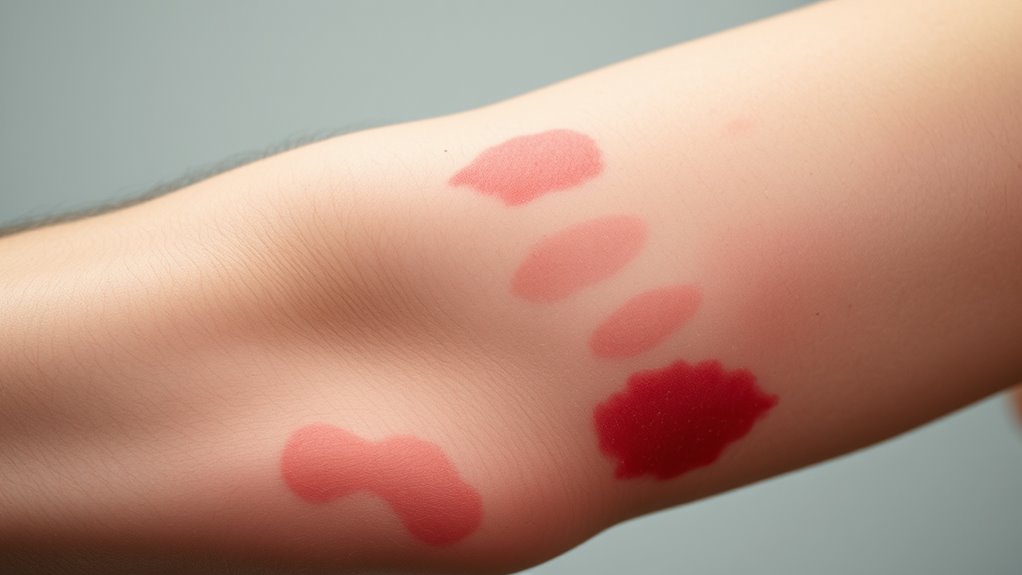
If you notice swelling, redness, or warmth around a muscle or joint, it’s a clear sign of acute injury or inflammation. Ignoring these signs can worsen your condition, especially if you’re experiencing muscle soreness or chronic tension. These symptoms indicate your body is responding to damage or irritation, and applying a massage gun could intensify inflammation or cause further harm. If you feel pain or see visible swelling, it’s best to pause any percussive therapy. Instead, focus on resting, ice, and consulting a healthcare professional. Using a massage gun in these situations might mask pain but won’t treat the underlying issue. Always listen to your body’s signals and avoid aggressive treatments when signs of inflammation are present. Engaging in proper recovery techniques can help prevent further injury and promote healing.
Areas With Open Wounds or Skin Conditions

Applying a massage gun over open wounds or skin conditions can cause infection, delay healing, or worsen irritation. Skin infections or open sores are vulnerable areas where percussive therapy can do more harm than good. Using a massage gun on these spots risks pushing bacteria deeper, leading to complications. Additionally, applying percussive therapy to these sensitive areas can interfere with the body’s natural healing process. Proper skin care and avoiding these areas can help prevent further tissue damage and complications. If you have open wounds or skin conditions, it’s best to wait until they fully heal before considering percussive therapy. Protecting vulnerable skin areas can save you from unnecessary pain and complications.
Overly Sensitive or Painful Spots
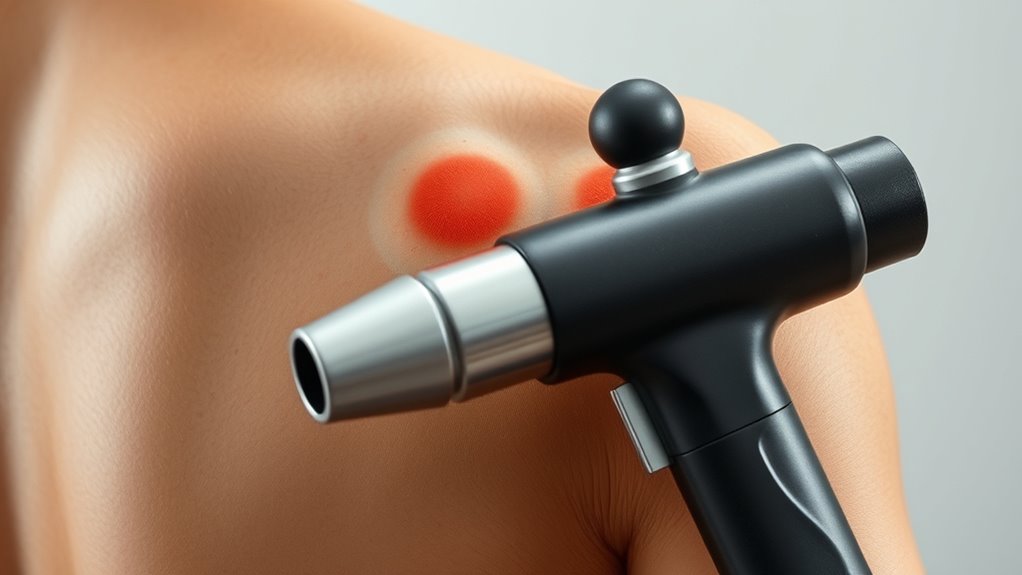
Using a massage gun on areas that are overly sensitive or painful can do more harm than good. Sensitive tissue reacts strongly to percussion, and applying the device to painful spots can worsen discomfort or cause inflammation. If you notice a tender or sore area, it’s best to avoid aggressive treatment, as the sensation may indicate underlying issues or injury. Massaging over these spots can irritate nerves or damage tissues further, prolonging recovery. Instead, consider gentle stretching or alternative therapies that don’t aggravate pain. Always listen to your body—if a spot feels intensely painful or sensitive, it’s a sign to pause and consult a healthcare professional before continuing. Ignoring these signs can lead to further injury or delayed healing. Avoid risking further harm by ignoring signs of overly sensitive or painful areas.
Presence of Deep Vein Thrombosis or Circulatory Issues
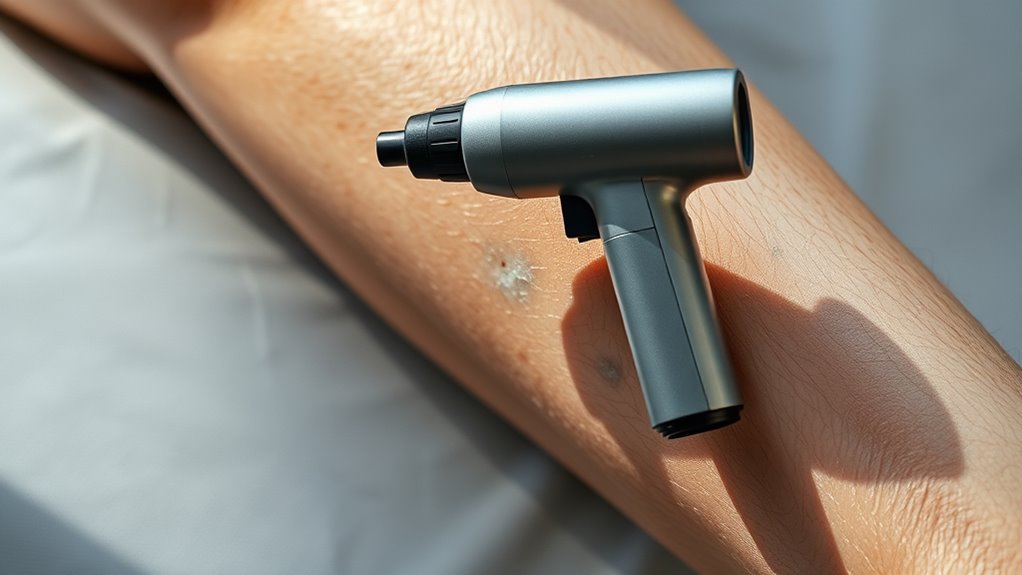
If you have deep vein thrombosis or circulatory issues, using a massage gun can be risky. It may increase the chance of blood clots or strain your circulatory system. To avoid dislodging a thrombus or causing complications, it’s best to skip percussive therapy in these cases. Additionally, cheating behaviors in relationships can sometimes reflect underlying emotional or health issues that might also affect physical well-being.
Risk of Blood Clots
Because blood clots like deep vein thrombosis (DVT) can pose serious health risks, you should avoid percussive therapy if you have circulatory issues or are diagnosed with DVT. The vibration from a massage gun can trigger blood clot formation or worsen circulation disruption, increasing the risk of a clot dislodging and causing a life-threatening embolism. If you have a history of blood clots, circulatory problems, or unexplained swelling, using a percussive device could inadvertently promote clot movement. Additionally, contrast ratio plays a significant role in image quality, with higher ratios yielding deeper blacks and brighter whites, which is important for accurate visual representation.
Circulatory System Strain
Applying percussive therapy when you have circulatory issues or deep vein thrombosis can worsen your condition. The rapid vibrations can increase blood pressure in affected areas, risking further strain on already compromised vessels. If you have circulatory problems, your nerve sensitivity might be heightened, making the intense stimulation uncomfortable or painful. Using a massage gun in these situations can cause additional stress on your circulatory system, potentially leading to swelling or dislodging clots. It’s imperative to avoid applying deep or aggressive percussive therapy near areas with circulatory concerns. Instead, consult a healthcare professional to determine safe treatment options. Ignoring these precautions can exacerbate your condition, increasing the risk of complications related to blood flow and nerve response. HEPA filtration can help reduce airborne irritants that may worsen circulatory or respiratory issues.
Avoiding Thrombus Dislodgement
When dealing with deep vein thrombosis (DVT) or circulatory issues, using a massage gun can pose serious risks by dislodging blood clots. Blood clot formation can become mobile, risking a dangerous embolism if disturbed. Circulation disruption caused by a massage gun can worsen your condition, increasing the chance of clot dislodgement and potentially life-threatening complications.
Be aware of these dangers:
- A sudden clot dislodgment could lead to a pulmonary embolism, risking your life.
- Applying pressure might worsen circulation issues, intensifying pain or swelling.
- If you have a history of clotting problems, even gentle massage could trigger dangerous outcomes.
Avoid percussive therapy on affected areas to protect your health and prevent severe complications.
Post-Surgical or Recently Injured Regions
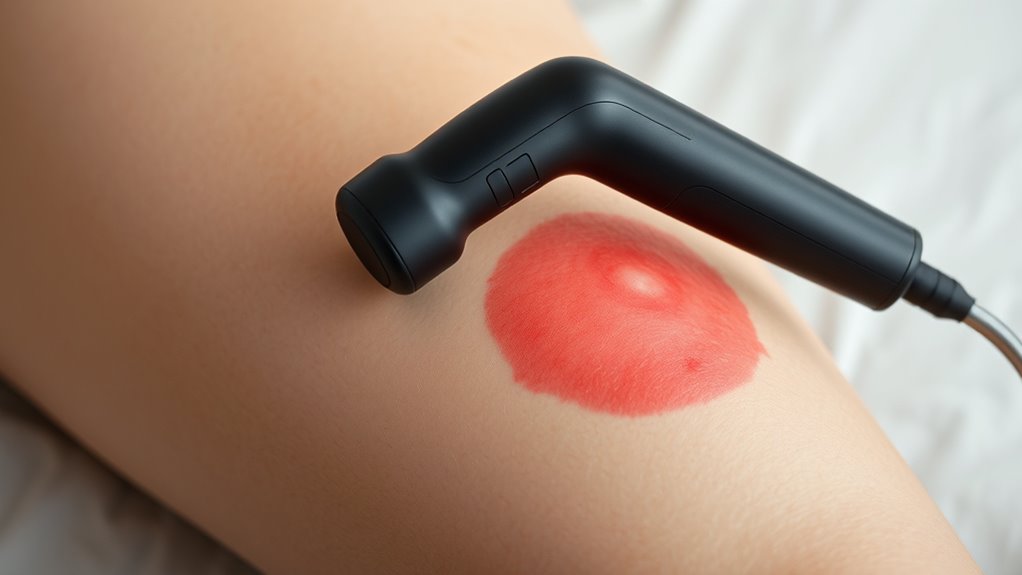
Using a massage gun on recent surgical or injured areas can risk reopening wounds or causing bleeding. You might also notice increased swelling or pain after applying percussive therapy. It’s best to wait until your healthcare provider clears these regions before using a massage gun. Additionally, avoid using these devices on delicate or compromised tissues, as they are more susceptible to damage.
Risk of Reopening Wounds
If you have recent surgical wounds or fresh injuries, percussive therapy with a massage gun can pose a significant risk of reopening these sites. Applying too much pressure or using the device over sensitive skin can disrupt the delicate process of wound healing. This can lead to complications, infections, or delayed recovery. Your skin sensitivity in healing areas makes them vulnerable to further trauma, increasing the chance of reopening.
- You might unintentionally tear open the wound, causing pain and setbacks.
- Reopening can lead to bleeding, infection, and longer recovery times.
- It may compromise the integrity of new tissue, risking permanent scarring.
Avoid using a massage gun on healing wounds to protect your progress and ensure proper skin recovery. It’s better to wait until your healthcare provider confirms safe healing before resuming any deep tissue therapy.
Increased Swelling Concerns
Applying a massage gun to areas that are swollen after surgery or injury can worsen the swelling and lead to discomfort. When swelling is present, your body is already working to manage inflammation, and external pressure can interfere with proper swelling management. Using a massage gun too soon may increase blood flow and fluid accumulation, making inflammation control more difficult. This can prolong healing and cause unnecessary pain. It’s best to avoid percussive therapy in recently injured or post-surgical regions until swelling subsides. Waiting until inflammation diminishes allows your body to recover naturally, preventing setbacks. Always consult your healthcare provider before using a massage gun on swollen areas, as improper use can do more harm than good during this sensitive stage of healing. Monitoring swelling levels is crucial to ensure safe recovery and avoid complications.
During Fever or Illness
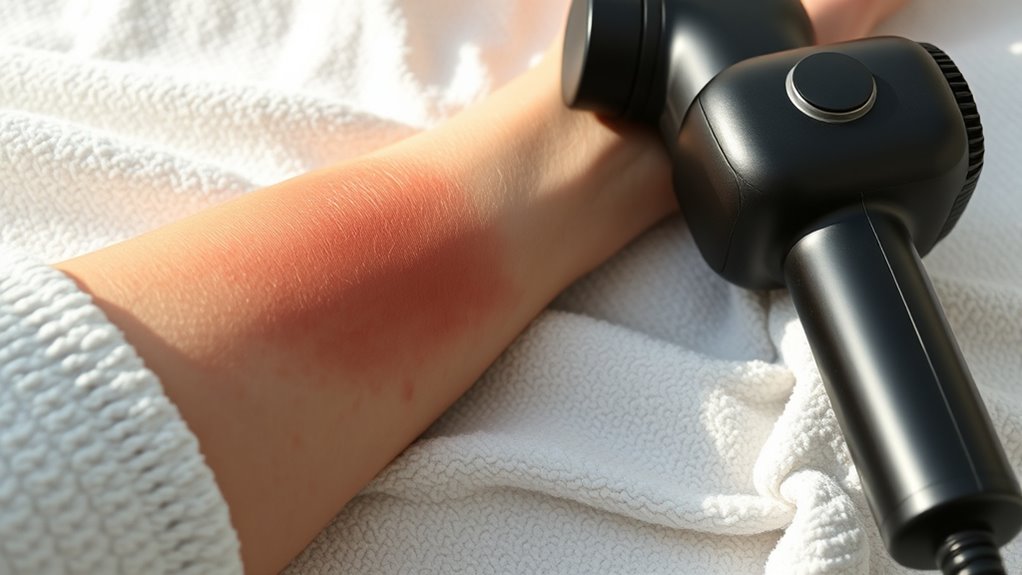
When you have a fever or are feeling ill, it’s best to hold off on using a massage gun. Fever management involves supporting your body’s natural immune response, not stressing it further. Using a percussion therapy device during illness can do more harm than good, potentially overwhelming your body’s defenses. Additionally, applying deep vibration to areas of discomfort may intensify symptoms or cause further inflammation inflammatory response.
Frequently Asked Questions
Can Using a Massage Gun Cause Nerve Damage?
Using a massage gun can potentially cause nerve injury or tissue trauma if misused or applied too aggressively. You might experience discomfort or pain, and in rare cases, nerve damage could occur, especially if you target sensitive areas or have underlying conditions. Always follow proper guidelines, avoid excessive pressure, and consult a healthcare professional if you have concerns. Proper use minimizes the risk of nerve injury and tissue trauma.
Is It Safe to Use a Massage Gun With Certain Medications?
Imagine your muscles responding enthusiastically to a massage gun, but suddenly, you wonder, could your medications interfere? You should be cautious, as drug interactions and medical contraindications might make percussive therapy risky. Certain drugs thin your blood or affect nerve sensitivity, increasing injury risk. Always consult your healthcare provider before using a massage gun if you’re on medication, ensuring safety and preventing unintended consequences.
How Often Should I Use a Massage Gun to Avoid Harm?
You should limit your massage gun sessions to avoid harm by respecting frequency limits and safe duration. Use it no more than 1-2 times daily, with each session lasting about 15-20 minutes. Pay attention to how your body responds and stop if you experience pain, discomfort, or swelling. Following these guidelines helps you enjoy the benefits without risking tissue damage or overstimulation.
Can a Massage Gun Worsen Chronic Conditions Like Arthritis?
Imagine you’re stirring a delicate soup—too much force can spoil it. Similarly, using a massage gun on arthritis can trigger flare-ups or worsen bone fragility if you press too hard or overuse it. While gentle percussive therapy might ease discomfort, aggressive use risks aggravating your condition. Always consult your doctor before use, and listen to your body’s signals to prevent unintended harm.
Are There Specific Signs Indicating a Massage Gun Is Doing More Harm Than Good?
You should watch for signs that a massage gun might be harming you, like muscle overstimulation or skin irritation. If your muscles feel excessively sore, tender, or if your skin becomes red or inflamed, it’s time to stop. These symptoms indicate you’re overdoing it, and continuing could lead to more damage. Always listen to your body, and if in doubt, consult a healthcare professional before continuing use.
Conclusion
So, next time you’re tempted to grab that massage gun, remember: it’s not your magic wand. If you spot signs of injury, open wounds, or feel overly tender, don’t be fooled into thinking more pressure equals more relief. Skip the therapy during illness or after surgery. Because, let’s face it, sometimes the best treatment is a timeout—preferably away from that shiny, vibrating contraption, and straight to a healthcare pro. Your muscles (and dignity) will thank you.
Fall Picks
fall essentials
As an affiliate, we earn on qualifying purchases.