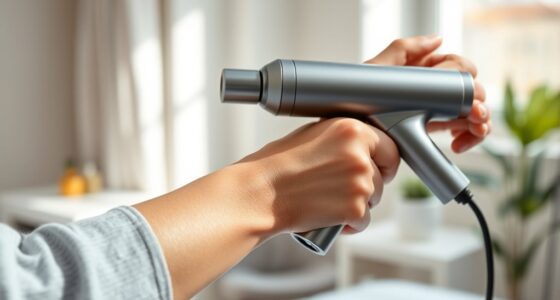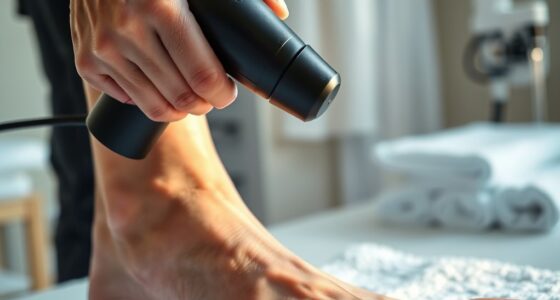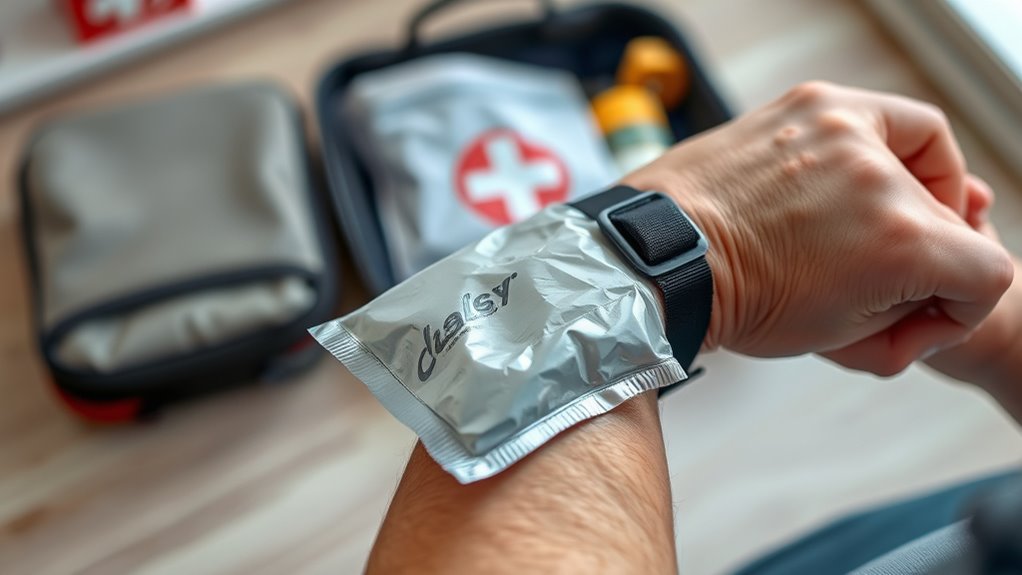

To safely use hot and cold attachments, always test the temperature first and follow manufacturer instructions. Apply hot packs for no more than 20 minutes with a barrier to prevent burns. Use cold packs for 10-15 minutes, also protecting your skin to avoid frostbite. Never apply on open wounds or compromised skin, and monitor your skin’s response. Starting with shorter sessions and paying attention to discomfort guarantees safe use—more tips are just ahead.

Get workout gear delivered free — and shop member deals
- Fast, free delivery on millions of items
- Access to Prime Big Deal Days deals on October 6–7
- Prime Video, Amazon Music and more included
Key Takeaways
- Always test the temperature before applying hot or cold attachments to prevent burns or frostbite.
- Limit hot application to 20 minutes and cold to 10-15 minutes to avoid skin damage.
- Use a barrier, like a towel, between the attachment and skin to prevent injury.
- Follow manufacturer instructions for temperature settings and application duration.
- Remove attachments immediately if skin becomes red, numb, or uncomfortable.
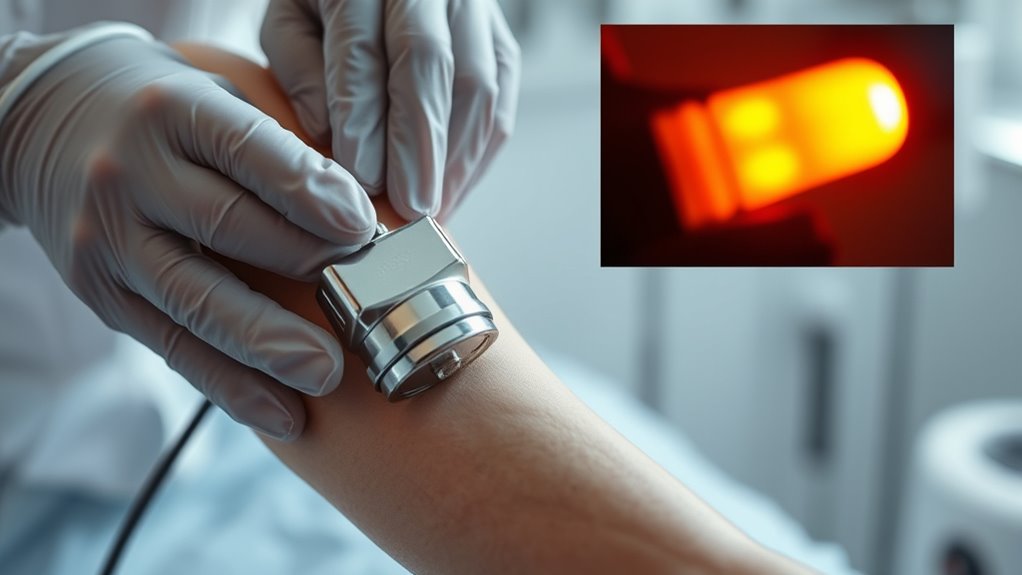
Have you ever wondered how hot and cold attachments can enhance your daily routines or professional tasks? These versatile tools, when used correctly, can offer significant benefits of temperature therapy, making recovery, relaxation, or pain relief more effective. Whether you’re applying a heated attachment to soothe sore muscles or using a cold one to reduce swelling, understanding how to use them safely is vital. The benefits of temperature therapy include increased blood flow, decreased inflammation, and pain relief, which can accelerate healing and improve comfort. Hot attachments help relax tight muscles, ease stiffness, and promote flexibility, while cold attachments can numb nerve endings, decrease swelling, and slow down tissue damage. When used appropriately, they can be powerful aids in managing injuries, chronic pain, or even just promoting relaxation after a long day.
However, it’s equally important to recognize the risks of improper use. Applying heat or cold for too long or at inappropriate temperatures can cause burns, frostbite, or skin irritation. For example, leaving a hot attachment on your skin for more than 20 minutes can lead to burns, especially if the temperature is excessive. Similarly, using cold attachments directly on your skin without a barrier can result in frostbite or nerve damage. If you’re not careful, you might also experience increased pain or tissue damage instead of relief. It’s vital to always follow manufacturer instructions and set the correct temperature and duration to avoid these risks.
To guarantee safe application, always test the temperature before applying the attachment to your skin. Use a towel or cloth as a barrier for hot attachments, and don’t place cold attachments directly on sensitive areas. Start with shorter sessions—around 10 to 15 minutes—and monitor how your body responds. If you notice skin redness, numbness, or discomfort, remove the attachment immediately. Avoid using hot or cold attachments on open wounds, areas with poor circulation, or if you have certain health conditions like diabetes or circulatory issues, unless advised by a healthcare professional.
hot cold therapy packs for pain relief
As an affiliate, we earn on qualifying purchases.
As an affiliate, we earn on qualifying purchases.
Frequently Asked Questions
Can Hot/Cold Attachments Be Reused on Different Patients?
You shouldn’t reuse hot or cold attachments on different patients. Always use patient-specific attachments to prevent cross-contamination. Follow sterilization protocols strictly, ensuring the attachments are properly cleaned and disinfected after each use if they are reusable. This practice helps protect your patients’ health and maintains safety standards. Never compromise on sterilization; it’s essential for infection control and delivering quality care.
What Signs Indicate a Hot/Cold Attachment Is Unsafe?
You should consider a hot or cold attachment unsafe if you notice signs of contraindications, such as skin redness, blistering, or numbness. Conduct a thorough risk assessment before application, and if you observe any of these signs, stop immediately. These indicate the attachment may be causing harm or is unsuitable for use. Always prioritize patient safety by monitoring for adverse reactions during treatment.
Are There Specific Storage Requirements for Hot/Cold Attachments?
You should store hot and cold attachments in a clean, dry place at appropriate storage temperatures, typically between 20°C to 25°C. After sterilization, guarantee they are fully dry before storage to prevent bacterial growth. Keep attachments in a dedicated container or sterilized packaging to maintain cleanliness. Regularly check storage conditions to confirm they stay within recommended temperature ranges, helping preserve their safety and effectiveness for future use.
How Long Can a Hot/Cold Attachment Safely Be Applied?
You should typically apply hot or cold attachments for no more than 15-20 minutes at a time. This duration limits help prevent skin damage or frostbite, guaranteeing safety precautions are followed. Always check your skin regularly during use and remove the attachment if you experience excessive discomfort or numbness. Following these duration limits and safety precautions ensures effective relief without risking injury.
What Materials Are Used in Hot/Cold Attachments for Safety?
Think of hot and cold attachments as the safety net beneath a trapeze artist—they must be reliable. You’ll find materials like silicone, gel packs, and medical-grade plastics designed for material safety and attachment compatibility. These materials are chosen for their durability, non-toxicity, and ability to withstand temperature changes without breaking down. Always verify your attachments meet safety standards to keep your therapy effective and secure, like a well-tuned instrument.
As an affiliate, we earn on qualifying purchases.
Conclusion
By following these safe application guidelines, you’ll master the art of hot and cold attachments without risking your well-being. Think of it as wielding a powerful but delicate tool—if you respect its strength, it won’t turn against you. Always prioritize safety, listen to your body, and don’t rush the process. With proper care, you’ll reveal a world of sensation that’s as exhilarating as a rollercoaster ride—without the terrifying drop!
hot and cold therapy attachments for muscles
As an affiliate, we earn on qualifying purchases.
As an affiliate, we earn on qualifying purchases.
Fall Picks
fall essentials
As an affiliate, we earn on qualifying purchases.