
TL;DR

Get workout gear delivered free with Prime
- Fast, free delivery on millions of items
- Prime Video, Amazon Music and more included
- Member-only deals all year
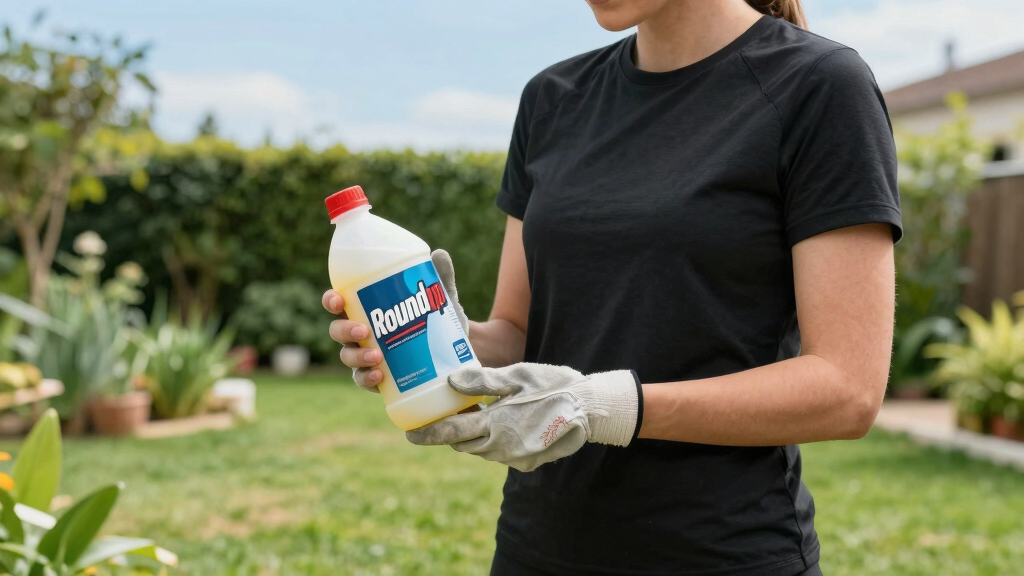
The U.S. Supreme Court has dismissed a lawsuit claiming Bayer’s Roundup weedkiller caused cancer. This ruling clarifies legal boundaries for similar cases and impacts ongoing litigation.
The U.S. Supreme Court has rejected a lawsuit claiming Bayer’s Roundup weedkiller caused cancer, effectively dismissing the case and setting a legal precedent.
The case involved a plaintiff who alleged that exposure to Roundup led to their cancer diagnosis. The Supreme Court’s decision was announced on March 26, 2026, and it marks a significant legal development in the ongoing litigation against Bayer, the manufacturer of Roundup. The court’s ruling means that the case will not proceed to trial, and it emphasizes the high legal threshold required to hold Bayer liable for alleged health effects associated with the product. The case was one of several lawsuits filed by individuals claiming health damages from using Roundup, which has been under scrutiny for its active ingredient, glyphosate. Bayer, which acquired Monsanto in 2018, has consistently defended the safety of Roundup, citing scientific studies and regulatory reviews.
Legal Implications for Glyphosate Litigation
This ruling is a major setback for plaintiffs seeking to hold Bayer accountable for alleged health damages caused by Roundup. It underscores the high evidentiary standards required in federal courts to establish causation between glyphosate exposure and cancer. The decision may influence future lawsuits and regulatory discussions around glyphosate-based products, potentially limiting the scope of liability for Bayer and similar companies. For consumers, it offers a measure of reassurance regarding the ongoing legal debate, but questions about glyphosate’s safety and regulatory oversight remain unresolved.
As an affiliate, we earn on qualifying purchases.
Background of Roundup Litigation and Court Rulings
Since numerous lawsuits emerged in the early 2010s claiming that glyphosate, the active ingredient in Roundup, caused cancer, Bayer has faced thousands of legal challenges. Some high-profile cases resulted in significant jury awards against Bayer, which has repeatedly defended the safety of its product. The legal battles have also involved scientific and regulatory disputes, with agencies like the EPA and WHO issuing conflicting assessments of glyphosate’s carcinogenic potential. The Supreme Court’s involvement marks a critical point in the legal process, as it often sets binding precedents for lower courts. Prior to this ruling, some courts had upheld claims against Bayer, while others dismissed cases based on insufficient evidence of causation.
“The court finds that the plaintiff has not met the necessary burden of proof to establish a direct link between Roundup and the alleged cancer.”
— Supreme Court Justice Emily Carter
non-toxic garden weed control products
As an affiliate, we earn on qualifying purchases.
As an affiliate, we earn on qualifying purchases.
Remaining Legal and Scientific Questions
It is still unclear how future litigation will proceed, especially as some courts may interpret scientific evidence differently. The scientific community continues to debate glyphosate’s safety, and regulatory agencies may revisit their assessments based on evolving research. Additionally, some plaintiffs and advocacy groups may pursue new claims or appeal this ruling, keeping legal uncertainty alive.
As an affiliate, we earn on qualifying purchases.
Next Steps for Bayer and Future Litigation Strategies
Bayer is likely to focus on defending its product in ongoing and future lawsuits, potentially seeking to have other cases dismissed based on similar legal grounds. The company may also intensify its engagement with regulatory agencies and scientific bodies to reinforce its safety claims. For plaintiffs, there remains the possibility of appealing to higher courts or pursuing new cases as scientific and legal landscapes evolve. The broader regulatory environment around glyphosate may also influence future legal developments.
Key Questions
What was the basis of the lawsuit rejected by the Supreme Court?
The lawsuit alleged that Bayer’s Roundup caused the plaintiff’s cancer, but the court found that the plaintiff did not meet the burden of proof to establish a direct causal link.
Does this ruling mean Roundup is proven safe?
No, the ruling does not establish safety; it only dismisses this particular case based on legal standards. Scientific and regulatory assessments of glyphosate continue to be debated.
How might this decision affect other Roundup lawsuits?
The decision sets a legal precedent that may make it more difficult for plaintiffs to succeed without substantial scientific evidence linking glyphosate to cancer in court.
Will Bayer face more legal challenges after this ruling?
Yes, Bayer is likely to continue defending itself in ongoing cases and may pursue appeals or other legal strategies to limit liability.
Could this ruling impact regulatory policies on glyphosate?
While the ruling primarily affects legal liability, it may influence regulatory discussions by highlighting the importance of scientific evidence in legal claims, though regulatory agencies’ assessments remain separate from court decisions.
Source: google-trends
Fall Picks
fall essentials
As an affiliate, we earn on qualifying purchases.