Pliable fascia means your body’s connective tissue is flexible and resilient, allowing muscles, bones, and organs to move smoothly without restriction. When fascia is supple, it stretches easily and rebounds, supporting your mobility and reducing injury risk. Keeping your fascia healthy involves regular movement, hydration, and specific techniques like foam rolling. If you want to discover how to maintain or improve your fascia’s flexibility, there’s more to learn about its care and benefits.
Key Takeaways
- Pliable fascia refers to flexible, resilient connective tissue that can stretch without tearing.
- It surrounds muscles, bones, nerves, and blood vessels, supporting smooth movement.
- Pliability indicates fascia’s ability to rebound and maintain elasticity during movement.
- Healthy, pliable fascia prevents stiffness, pain, and reduces injury risk.
- Maintaining fascia flexibility involves movement, hydration, and targeted release techniques.
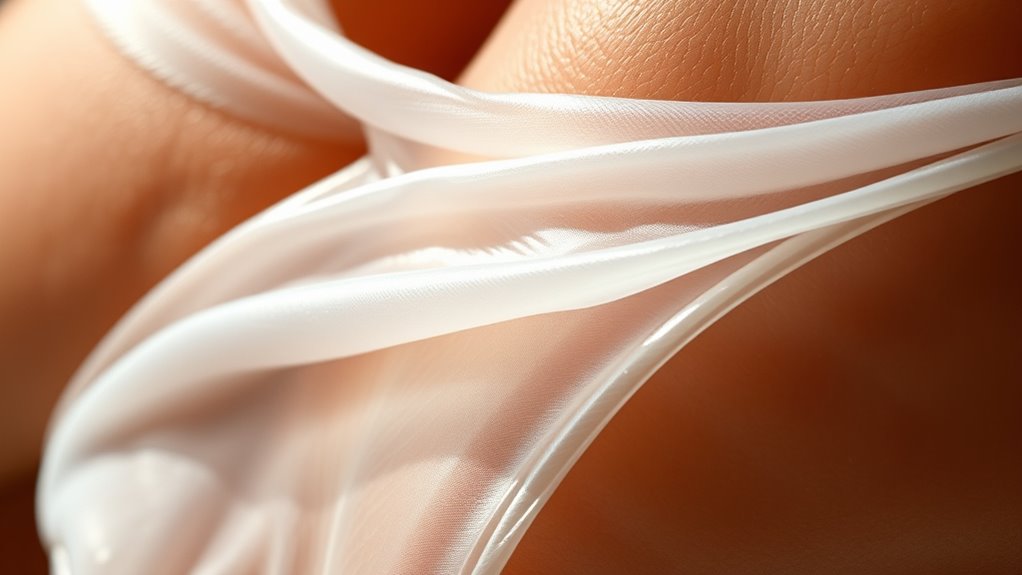
Have you ever wondered how your body moves so smoothly and flexibly? The secret lies beneath your skin, in a network known as fascia. When we talk about “pliable fascia,” we’re referring to fascia that’s flexible, resilient, and able to stretch without tearing. This pliability is essential for maintaining mobility, preventing injuries, and allowing your muscles to move freely. Fascia flexibility and tissue elasticity are the core components of this concept, and understanding them helps you appreciate how your body functions seamlessly during everyday activities or intense workouts.
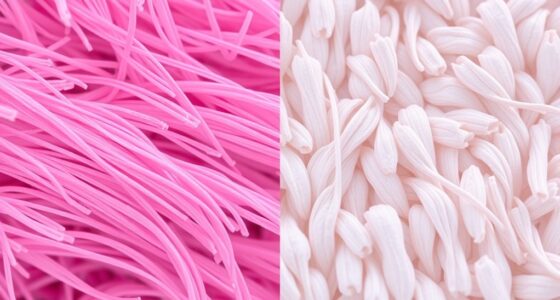
Fascia is a connective tissue that surrounds muscles, bones, nerves, and blood vessels, acting like a continuous web that holds everything in place. When fascia is healthy and pliable, it can stretch and rebound easily, supporting fluid movement. Tissue elasticity is what gives fascia this ability to stretch without losing its shape or integrity. Think of it like a rubber band—when it’s elastic, you can stretch it out and it’ll return to its original form. When fascia loses this elasticity, it becomes stiff, tight, and resistant to movement, which can cause discomfort, reduced flexibility, or even pain.
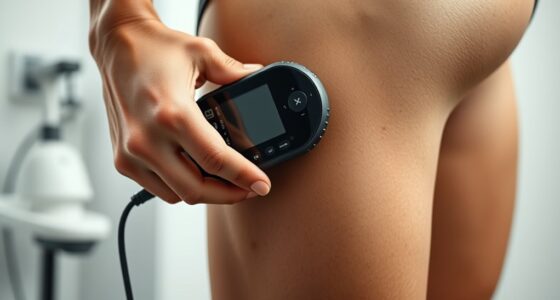
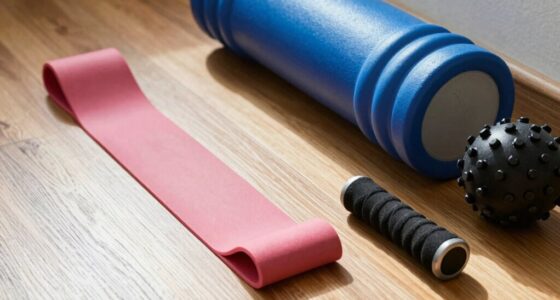
Achieving fascia flexibility isn’t just about stretching; it’s about maintaining the health of your tissue elasticity. Regular movement, hydration, and specific exercises help keep your fascia supple. Techniques like foam rolling or myofascial release target tight areas, encouraging your fascia to loosen and regain its pliability. Incorporating biomechanical principles into your routine can further enhance your understanding of how fascia functions and responds to different movements. When fascia is flexible, your tissues can glide smoothly over each other, reducing friction and preventing adhesions—those stubborn bands of tissue that restrict movement.
Healthy fascia also plays a vital role in injury prevention. When your fascia is pliable, it absorbs shocks better and adapts to rapid movements, decreasing the risk of strains or tears. Conversely, if your fascia becomes stiff and less elastic, your range of motion diminishes, and you’re more prone to injuries. That’s why focusing on fascia flexibility isn’t just about improving athletic performance; it’s about supporting your overall health and mobility.
In essence, pliable fascia is the foundation of fluid movement. When your fascia remains elastic and flexible, you’ll notice a difference in how your body responds—more freedom, less pain, and better resilience. Taking steps to nurture this tissue elasticity ensures your fascia stays supple and your body moves with ease. So, the next time you stretch or roll out tight muscles, remember: you’re helping keep your fascia healthy, flexible, and ready for whatever movement comes next.

TriggerPoint Grid 1.0 Foam Roller – 13" Multi-Density Massage Roller for Deep Tissue & Muscle Recovery – Relieves Tight, Sore Muscles & Kinks, Improves Mobility & Circulation – Targets Key Body Parts
- Enhances Muscle Recovery: Promotes tissue aeration and blood flow
- Comfortable Foam Construction: Designed for sore muscles and soft tissue
- Customizable Massage Experience: Varying ridges mimic therapist's hands
As an affiliate, we earn on qualifying purchases.
As an affiliate, we earn on qualifying purchases.
Frequently Asked Questions
How Does Pliable Fascia Affect Athletic Performance?
Having pliable fascia boosts your athletic performance by improving fascia elasticity, which allows your muscles to move more freely and efficiently. This flexibility helps you generate more power and enhances your range of motion. Additionally, pliable fascia supports quicker muscle recovery after workouts, reducing soreness and injury risk. When your fascia stays supple, you can train harder and recover faster, ultimately elevating your overall athletic ability.
Can Pliable Fascia Prevent Injuries?
Pliable fascia can indeed help prevent injuries. When your fascia has good elasticity, it moves smoothly with your muscles, reducing strain and tearing risks. Think of it like a well-oiled machine that runs efficiently, avoiding sudden breakdowns. By maintaining fascia flexibility through stretching and proper hydration, you enhance injury prevention, ensuring your body stays resilient during intense activity. It’s a simple, effective way to keep you safer and more agile.
What Exercises Improve Fascia Flexibility?
To improve fascia flexibility, you should focus on foam rolling and stretching routines. Foam rolling helps break up adhesions and increases blood flow, making your fascia more pliable. Incorporate dynamic stretches before workouts and static stretches afterward to enhance elasticity. Regularly practicing these exercises will keep your fascia supple, reduce stiffness, and improve overall movement. Consistency is key, so commit to a routine that targets your entire body for best results.
Is Pliable Fascia Linked to Overall Mobility?
Yes, pliable fascia is closely linked to your overall mobility. When your fascia has good elasticity and tissue suppleness, your joints move more freely and with less pain. Maintaining this pliability allows your muscles to stretch better and reduces the risk of injury. Regular movement, stretching, and hydration keep your fascia flexible, helping you stay active and perform daily activities with ease.
How Does Aging Influence Fascia Pliability?
As you age, fascia elasticity decreases, making your tissue less resilient. This reduction in pliability can lead to stiffness and decreased mobility over time. You might notice that your fascia becomes more fibrous and less responsive to stretching or movement. To maintain pliability, it’s important to stay active, stay hydrated, and incorporate regular fascia-focused exercises, which help preserve tissue resilience and support overall mobility as you get older.
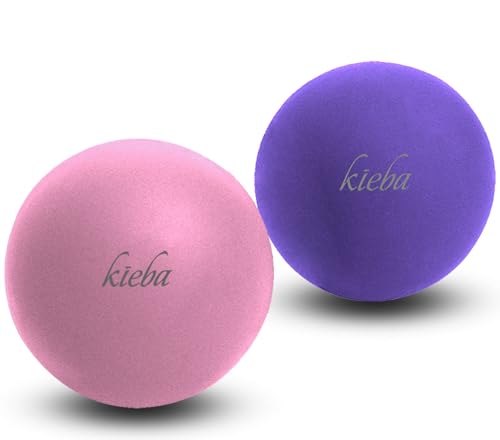
Kieba Massage Lacrosse Balls for Myofascial Release, Trigger Point Therapy, Muscle Knots, and Yoga Therapy. Set of 2 Firm Balls (Pink and Purple)
- Immediate Muscle Relief: Eliminates knots and tension quickly
- Easy Self-Massage: Use body weight for relief
- Portable and Versatile: Use anywhere—home, office, gym
As an affiliate, we earn on qualifying purchases.
As an affiliate, we earn on qualifying purchases.
Conclusion
Now that you understand what pliable fascia means, imagine what releasing this flexibility could do for your body. How might your movements become smoother, your pain diminish, or your athletic performance improve? The potential hidden within pliable fascia is astonishing—waiting just beneath the surface. Are you ready to explore how to keep it flexible and healthy? The next step could change everything—your mobility, your comfort, your life. Are you prepared to unlock that secret?

comness Foot and Calf Stretcher-Stretching Strap For Plantar Fasciitis, Heel Spurs, Foot Drop, Achilles Tendonitis & Hamstring. Yoga Foot & Leg Stretch Strap. (Black)
- Relieves Foot and Calf Pain: Improves circulation and reduces pain
- Enhances Flexibility and Strength: Supports foot, leg, and back flexibility
- Ergonomic and Comfortable Design: Durable nylon with adjustable loops
As an affiliate, we earn on qualifying purchases.
As an affiliate, we earn on qualifying purchases.
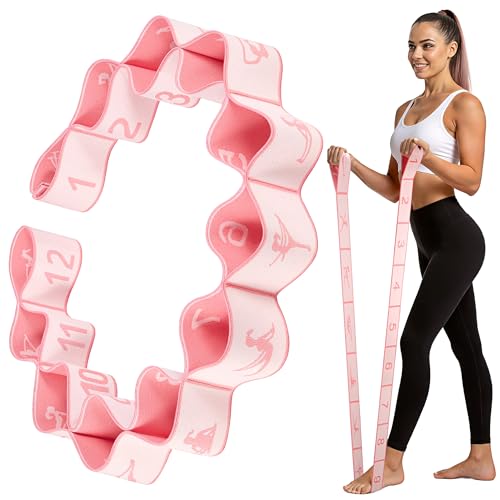
GHCTFE Resistance Bands, Stretch Band for Exercise, Physical Therapy, Rehab & Flexibility, Home Gym Equipment for Yoga, Pilates, Dance, Gymnastics, Number Loop Elastic Strap for Leg and Hip Stretches
- 12 Numbered Loops for Progress Tracking: Visual roadmap for flexibility gains
- Pinch-Free Comfort Material: Soft polyester-cotton blend for pain-free use
- Non-Slip, 2X Stretch Technology: Smooth tension without rolling or biting
As an affiliate, we earn on qualifying purchases.
As an affiliate, we earn on qualifying purchases.