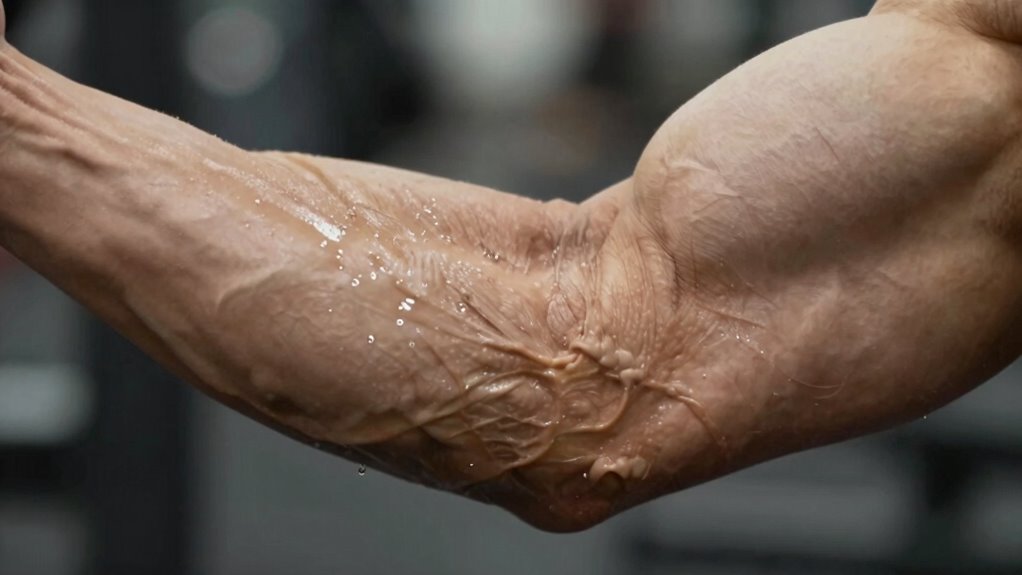

Many people think muscle stiffness means they’ve injured themselves, but it’s often a normal response to activity and muscle adaptation. It usually feels tight or rigid without pain and indicates recovery, not harm. Pushing through stiffness can worsen things, so understanding the difference helps prevent unnecessary worry. If you keep exploring, you’ll discover how to properly interpret your body’s signals and manage stiffness effectively.

Get workout gear delivered free with Prime
- Fast, free delivery on millions of items
- Prime Video, Amazon Music and more included
- Member-only deals all year
Key Takeaways
- Many people mistake normal muscle stiffness for injury, not recognizing it as a sign of recovery and adaptation.
- Stiffness is often due to muscle overuse or inactivity, not necessarily muscle damage or harm.
- Persistent or sharp pain with limited movement is frequently misunderstood as injury, requiring medical attention.
- People may ignore mild stiffness, but it can signal underlying issues like dehydration or poor posture.
- Common treatments like stretching and hydration are often overlooked, despite their effectiveness in easing stiffness.
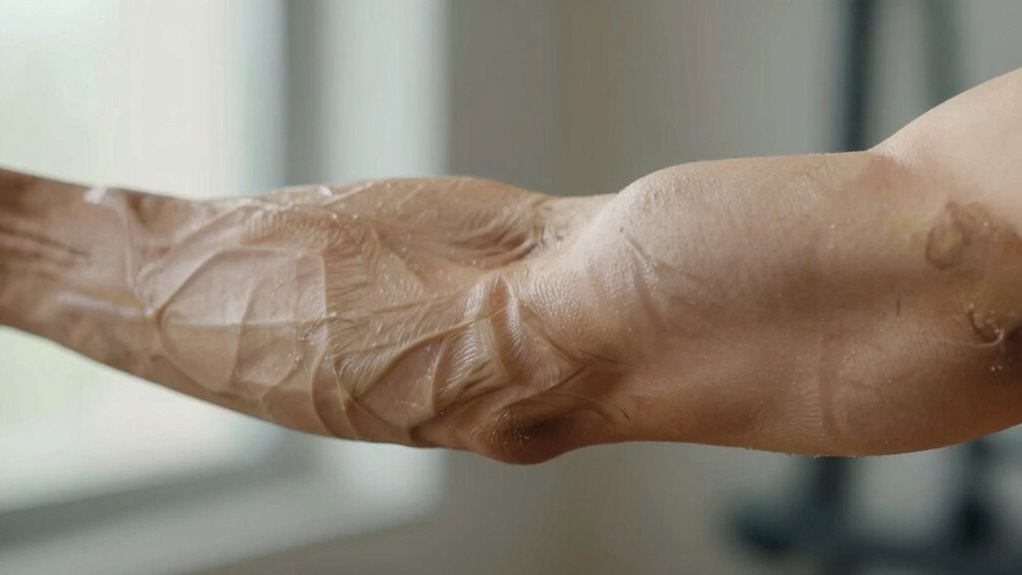
Muscle stiffness is a common experience that many people misunderstand, often confusing it with pain or injury. When your muscles feel tight or rigid, you might think something serious is happening, but in reality, stiffness is usually a normal response to various factors. Understanding what causes muscle stiffness and the treatment options available can help you manage it effectively and avoid unnecessary concern.
Muscle stiffness is common and often misunderstood; it’s usually a normal response to activity, not a sign of injury.
The causes of muscle stiffness are diverse. It often results from muscle overuse, prolonged inactivity, or sudden movement that strains your muscles. For example, after a workout or physical activity, your muscles might feel tight as they recover, which is a natural part of the repair process. Dehydration and electrolyte imbalances can also contribute to stiffness, as they interfere with muscle function. Additionally, stress and poor posture can lead to muscle tension, making your muscles feel stiff even without any direct injury. Sometimes, underlying medical conditions such as arthritis or fibromyalgia can cause persistent stiffness, but in most cases, it’s a temporary reaction to everyday activities. Recognizing that muscle recovery involves both repair and adaptation can help distinguish normal stiffness from signs of injury.
Many people assume that muscle stiffness always indicates injury or damage, but that’s not true. In fact, stiffness is often a sign that your muscles are adapting to new demands or recovering from exertion. However, if you ignore it or push through the discomfort, you risk worsening the situation, especially if an underlying problem is present. Recognizing the difference between normal stiffness and pain associated with injury is vital. Pain that’s sharp, persistent, or accompanied by swelling and limited movement might require medical attention, whereas typical stiffness usually resolves with some simple interventions. Being aware of muscle response can help you better interpret your body’s signals and avoid unnecessary concern. Additionally, understanding the role of muscle adaptation can provide reassurance that your body is adjusting healthily rather than indicating a problem. Furthermore, staying informed about proper recovery techniques can make a significant difference in how quickly your muscles bounce back from strain.
Incorporating recovery techniques such as foam rolling can enhance blood flow, reduce muscle tightness, and promote faster healing. When it comes to treatment options, there are several practical ways to relieve muscle stiffness. Gentle stretching can help lengthen tight muscles and improve flexibility. Applying heat or cold packs can reduce discomfort and promote blood flow to the affected area. Over-the-counter anti-inflammatory medications may also be useful if the stiffness is associated with inflammation. Staying hydrated and maintaining good posture can prevent stiffness from worsening, especially if dehydration or poor ergonomics are contributing factors. Regular activity, even light movement, encourages circulation and helps muscles recover faster. If your stiffness persists or worsens, consulting a healthcare professional can identify any underlying issues and suggest targeted treatments, including physical therapy or specific exercises to address chronic problems.
Products Worth Considering

Therabody ThermBack LED 4-in-1 Heated Lower Back Relief Wrap

Hyperice Hypervolt Go 3 Percussion Massage Gun with Carry Case

Therabody Theragun Prime 6th Generation Deep Tissue Massage Gun, Navy
As an affiliate, we earn on qualifying purchases.
Frequently Asked Questions
Can Muscle Stiffness Be a Sign of a Serious Injury?
Yes, muscle stiffness can sometimes be a sign of a serious injury, especially if accompanied by muscle pain, swelling, or weakness. If stiffness persists or worsens, it’s important to watch for injury symptoms like sharp pain or limited movement. You should seek medical attention promptly to rule out serious issues like tears or fractures. Ignoring these signs could lead to more severe damage or longer recovery times.
How Long Does Muscle Stiffness Typically Last?
Muscle stiffness usually lasts anywhere from a few hours to a couple of days after activity. You might find that muscle soreness peaks around 24-48 hours, then gradually eases. To speed up flexibility improvement and reduce stiffness, stay active gently and stretch regularly. Remember, patience is key; pushing through stiffness too soon can do more harm than good. Typically, your muscles will loosen up with time and proper care.
Is Muscle Stiffness Always Related to Exercise?
No, muscle stiffness isn’t always related to exercise. Sometimes, it stems from muscle fatigue or dehydration effects, which can cause muscles to tighten even without activity. If you’re dehydrated or overworked, your muscles may feel stiff or sore, regardless of exercise. Staying hydrated, stretching, and resting help reduce this kind of stiffness. It’s important to listen to your body and address these factors to prevent unnecessary discomfort.
Can Stretching Help Reduce Muscle Stiffness Immediately?
Think of your muscles as a rubber band; stretching can help loosen it temporarily. Yes, stretching can immediately reduce muscle stiffness by enhancing dynamic flexibility and improving muscle elasticity. When you stretch, you’re gently coaxing muscles to relax and lengthen, easing tightness. However, for lasting relief, consistent stretching routines are key. So, a quick stretch might feel good now, but ongoing practice keeps those muscles more flexible long-term.
Does Muscle Stiffness Mean My Muscles Are Weak?
Muscle stiffness doesn’t necessarily mean your muscles are weak. It often results from muscle fatigue or nutritional deficiencies that affect muscle function. When your muscles feel stiff, it’s usually a sign they’re overworked or lacking essential nutrients like magnesium or potassium. Strength isn’t always the issue; instead, focus on proper rest, hydration, and balanced nutrition to help reduce stiffness and improve muscle health.
Conclusion
Remember, don’t judge a book by its cover—muscle stiffness isn’t always a sign of injury or danger. It’s often your body’s way of telling you to rest, recover, or stretch properly. By understanding what muscle stiffness truly means, you can avoid unnecessary worry and better care for your body. Keep in mind, patience is a virtue—sometimes, the best remedy is simply giving your muscles time to heal and adapt.