You can tell good soreness from bad pain by paying attention to how it feels and behaves. Good soreness appears 24 to 48 hours after exercise, feels like a dull ache, and gets better with movement. Bad pain, however, is sharp, intense, and persists or worsens with activity. If the pain is localized, sharp, or doesn’t improve, it might be injury. Keep going to learn more about making safe choices for your recovery.
Key Takeaways
- Good soreness appears 24-48 hours after exercise and feels like a dull, aching sensation that improves with movement.
- Bad pain is sharp, intense, localized, and worsens with movement, often persisting or worsening over time.
- Good soreness indicates muscle adaptation and recovery, while bad pain signals potential injury requiring rest or medical attention.
- Gentle activity like stretching and foam rolling helps alleviate good soreness; sharp pain requires stopping activity immediately.
- Listen to your body; if pain persists, worsens, or feels sharp, seek medical advice rather than pushing through.

After a tough workout, it’s common to feel some soreness, but not all pain is created equal. Knowing the difference can help you make smarter decisions about your training and recovery. Good soreness, often called delayed onset muscle soreness (DOMS), usually appears 24 to 48 hours after exercising. It feels like a dull, aching sensation in your muscles, and it tends to improve with movement. This kind of soreness indicates that your muscles are adapting and growing stronger, which is a normal part of progress. On the other hand, bad pain is sharp, intense, or persistent, often signaling an injury. It might be localized to a specific spot, worsen with movement, or not improve over time. Recognizing these signs is essential because pushing through bad pain can lead to more serious injuries and setbacks.
When it comes to recovery strategies, understanding whether you’re experiencing good soreness or bad pain can guide your actions. For example, if your muscles are sore but still functional, gentle activity like stretching, foam rolling, or low-impact cardio can promote circulation and help reduce soreness. Proper hydration, balanced nutrition, and adequate sleep also support recovery, making it easier for your muscles to repair and adapt. However, if you’re feeling sharp pain or a feeling of stabbing discomfort, it’s best to stop activity immediately. Applying ice to the affected area can help reduce inflammation, and resting is critical to prevent further damage. Ignoring warning signs of injury often leads to longer downtime and more complicated recovery.
Prevention is always better than treatment, so paying attention to your body during and after workouts is essential. Incorporate recovery strategies into your routine, such as stretching and cool-down exercises, to lessen soreness and prevent strain. Warm-up sessions before exercise prepare your muscles and joints, reducing the risk of injury. Listening to your body and not pushing through pain ensures you avoid overtraining and injury. If you’re unsure whether soreness is normal or if pain warrants medical attention, consult a healthcare professional. Recognizing the difference between good soreness and bad pain helps you adapt your training, avoid setbacks, and stay motivated over the long term. Remember, a balanced approach that combines proper recovery strategies with mindful training will keep you progressing safely and effectively.
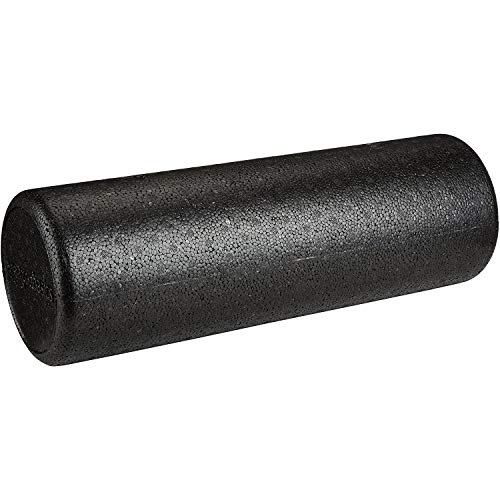
Amazon Basics High-Density Foam Roller for Exercise and Recovery, 18 Inches, Black
High-density foam roller in Black
As an affiliate, we earn on qualifying purchases.
As an affiliate, we earn on qualifying purchases.
Frequently Asked Questions
How Long Should Good Soreness Typically Last?
Good soreness usually lasts 24 to 72 hours after exercise, signaling your muscles are recovering and adapting. During this muscle recovery phase, soreness management becomes key—stretch, hydrate, and rest as needed. If soreness extends beyond this timeframe or worsens, it might indicate injury, so listen to your body. Proper recovery helps prevent bad pain, ensuring your workouts stay effective and safe.
Can Bad Pain Occur Without Injury?
Yes, bad pain can occur without an obvious injury, often stemming from muscle fatigue or overexertion. This pain may feel sharp, persistent, or unusual, signaling a higher injury risk. Listen to your body; if pain persists or worsens, it’s a sign to stop and seek medical advice. Ignoring such pain could lead to more serious damage, so always prioritize your safety during workouts.
Is It Safe to Push Through Pain During Workouts?
It’s usually not safe to push through pain during your workout because it could signal injury or overexertion. Muscle fatigue is normal, but if you experience sharp or persistent pain, stop immediately. Increasing workout intensity gradually allows your body to adapt safely. Listen to your body — if pain worsens or feels different from typical soreness, take a break and consult a professional. Prioritize recovery to avoid setbacks or injuries.
How Does Hydration Affect Muscle Soreness?
Hydration markedly impacts muscle soreness by maintaining electrolyte balance, which is essential for muscle function and recovery. When you stay well-hydrated, your muscles recover faster, reducing soreness and stiffness. Proper hydration flushes out toxins and prevents cramping, supporting overall muscle recovery. Drinking enough water, especially with electrolytes, helps your muscles work efficiently, minimizes soreness, and accelerates healing after workouts.
When Should I See a Doctor for Pain?
You should see a doctor during post-workout recovery if pain worsens over time, is intense, or persists beyond a few days. Pain indicating injury, like sharp, stabbing sensations or swelling, needs professional attention to avoid further damage. Timely medical advice helps with injury prevention and ensures proper recovery. Ignoring severe pain can lead to long-term issues, so trust your body and seek help when pain feels abnormal or unmanageable.

Massage Lacrosse Balls for Myofascial Release,Yoga Deep Tissue Massage,Trigger Point Therapy and Foot Plantar Fasciitis,Muscle Soreness Massager Ball (2Pack,Deep Blue and Purple)
【Perfect For Massage Therapy】An excellent set of healing balls gives you enough pressure to help you remove muscle…
As an affiliate, we earn on qualifying purchases.
As an affiliate, we earn on qualifying purchases.
Conclusion
Now that you know the signs, can you really tell if that ache is just good soreness or something more serious? Listening to your body is key—pushing through good pain helps you grow, but ignoring bad pain risks injury. So next time you hit the gym or push your limits, ask yourself: am I feeling the burn or warning signs? Paying attention guarantees you stay safe and keep progressing without setbacks.

Ice Packs for Injuries Reusable (3-Piece Set) – Hot and Cold Ice Pack Therapy Gel Wrap Support – Supports Recovery, Joint and Muscle Pain – Knees, Back & More (3 Piece Set – Classic)
Effective Relief: Cold packs for injuries provide immediate soothing comfort; ice bags for injuries help reduce swelling and…
As an affiliate, we earn on qualifying purchases.
As an affiliate, we earn on qualifying purchases.

Trideer Stretching Strap Yoga Strap Physical Therapy for Home Workout, Exercise, Pilates and Gymnastics, 10 Loops Non-Elastic Stretch Bands with Aesthetic Packaging for Women & Men (Black)
Long Lasting Premium Quality: Made of sturdy polypropylene, this tough yoga strap stands out in a crowd by…
As an affiliate, we earn on qualifying purchases.
As an affiliate, we earn on qualifying purchases.