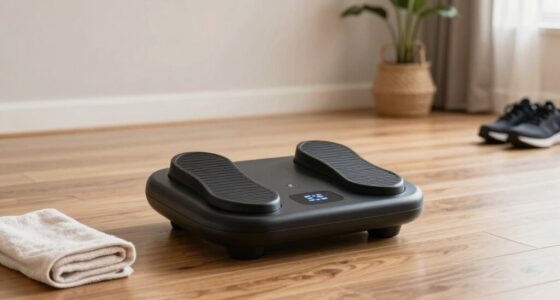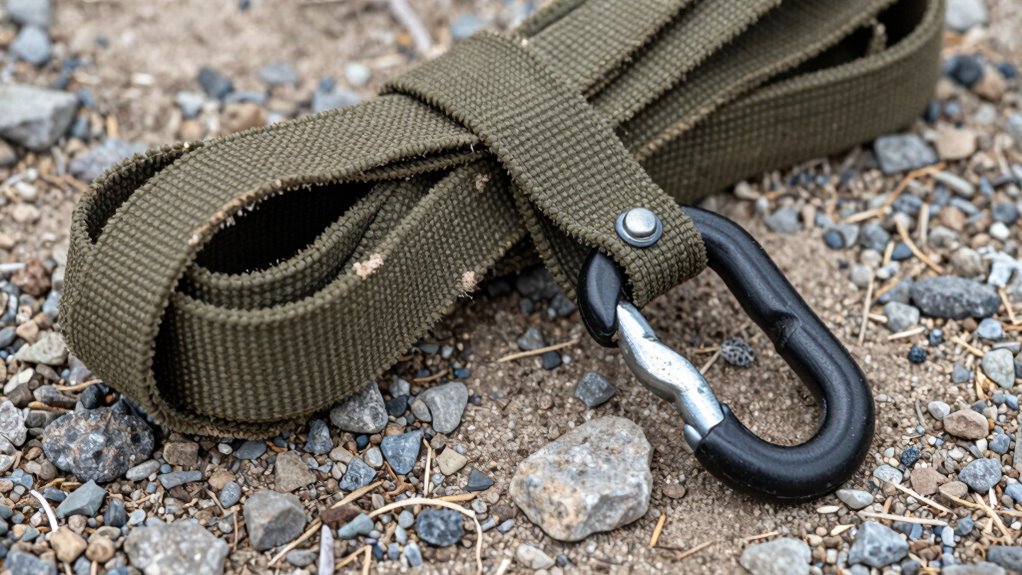

To stay realistic, remember that recovery gear supports healing but doesn’t replace proper medical care. It can’t promise instant results or undo serious tissue damage, regardless of technology or cost. Use gear as a helpful supplement, not your only focus, and combine it with rest, proper nutrition, and professional advice. Avoid believing false claims or overreliance, and understand equipment’s limits. Keep expectations grounded to stay motivated—more insights will help you make smarter choices on your recovery journey.

Get workout gear delivered free with Prime
- Fast, free delivery on millions of items
- Prime Video, Amazon Music and more included
- Member-only deals all year
Key Takeaways
- Understand that recovery gear supports healing but cannot fully replace medical treatment or undo severe tissue damage.
- Set realistic goals based on individual circumstances and device limitations to avoid overestimating capabilities.
- Remember that gear is an adjunct, not a substitute, for proper rest, nutrition, and professional care.
- Be skeptical of exaggerated claims and prioritize evidence-backed tools to prevent unnecessary expenses.
- Recognize technology boundaries and maintain patience, knowing true recovery requires time, effort, and a balanced approach.

When it comes to recovery gear, it’s easy to believe that equipment alone can completely fix your injuries or speed up your healing process. However, understanding gear limitations is vital. No matter how advanced or expensive your tools are, they can’t replace proper medical treatment or guarantee instant results. Recovery gear is designed to support and enhance your healing, but it’s not a magic bullet. Setting realistic expectations helps prevent disappointment and guarantees you use your gear effectively.
Recovery gear supports healing but cannot replace proper treatment or guarantee instant results. Stay realistic and patient.
You might think that wrapping yourself in the latest compression sleeves or using high-tech devices will dramatically cut down your recovery time. While these tools can provide benefits like improved circulation or reduced swelling, they won’t undo significant tissue damage or compensate for neglecting rest and proper care. Recognizing gear limitations means knowing that recovery is a process influenced by multiple factors, including nutrition, sleep, and physical therapy. Using recovery gear as an adjunct, rather than a sole solution, keeps your approach grounded and more effective. It’s also helpful to understand that supportive equipment has boundaries based on technology and individual circumstances. Additionally, understanding the limitations of technology helps set appropriate expectations for what recovery gear can realistically achieve. Being aware of the technology’s boundaries can prevent overreliance and disappointment if results aren’t immediate.
It’s also important to avoid overestimating what your gear can do. For example, wearing a brace won’t instantly restore full strength or mobility if your muscles are weak or your range of motion is limited. Instead, see recovery gear as part of a complete plan that includes professional guidance and consistent effort. Expecting gear to perform miracles can lead you to overlook the importance of active rehabilitation, proper diet, and patience. Recognizing that recovery is a multifaceted process helps foster a more sustainable mindset and prevents reliance solely on devices.
Furthermore, understanding that recovery gear is not a cure-all helps you avoid unnecessary expenses. Not all gadgets or supplements are backed by strong evidence, and some might just give you false hope. Be skeptical of claims that promise rapid healing or complete injury reversal. Instead, focus on using proven tools in conjunction with medical advice and realistic timelines. This way, you can better evaluate what your gear can realistically contribute to your recovery, rather than relying solely on it to do the heavy lifting.
Additionally, it’s helpful to remember that home theater projectors and other advanced equipment are designed to support your experience but are ultimately limited by their specifications and your environment. In the same way, recovery gear has its boundaries based on technology and individual circumstances. Understanding these boundaries of recovery gear can help you set more appropriate goals and avoid frustration. Knowing the scope of what your equipment can provide ensures you don’t set yourself up for disappointment if results fall short of expectations.
In the end, staying realistic about what recovery gear can do means recognizing its supportive role within a larger recovery strategy. It’s there to assist, not replace, the essentials like rest, proper treatment, and patience. Keep your expectations in check, use your gear wisely, and understand that true healing takes time and effort. This balanced perspective ensures you stay motivated and avoid frustration, making your recovery journey more manageable and ultimately more successful.
compression sleeves for injury recovery
As an affiliate, we earn on qualifying purchases.
As an affiliate, we earn on qualifying purchases.
Frequently Asked Questions
Can Recovery Gear Fix All Vehicle Damages Instantly?
Recovery gear can’t fix all vehicle damages instantly. While vehicle upgrades and off-road accessories improve your vehicle’s resilience, they don’t repair damage caused by accidents or severe wear. Instead, use recovery gear to assist in getting your vehicle unstuck or out of tough spots. It’s important to understand its limits and combine it with proper maintenance and repairs, rather than relying solely on recovery gear for fixing damages.
Is Recovery Gear Effective on All Terrains and Conditions?
Recovery gear isn’t effective on all terrains and conditions. Terrain limitations mean some gear works better on mud, sand, or snow, but may struggle elsewhere. You need versatile gear suited for different situations, rather than relying on a single piece for every challenge. Understanding these limitations helps you choose the right tools, so you’re prepared for various conditions. Don’t assume gear can handle everything—know its strengths and weaknesses.
How Often Should Recovery Gear Be Maintained or Replaced?
Your recovery gear is your lifeline, so don’t let it turn to dust! You should check and maintain it regularly based on your usage, ideally following the manufacturer’s maintenance schedule. Inspect for wear and tear every few months, and replace components that show signs of damage or fatigue. Proper gear longevity depends on consistent upkeep, so stay vigilant to guarantee your gear always performs when you need it most!
Can Using Recovery Gear Cause Further Damage to My Vehicle?
Using recovery gear can cause further damage if you ignore gear limitations or don’t prioritize vehicle safety. Overestimating your gear’s capabilities might lead you to push too hard, risking damage to your vehicle’s components. Always inspect your gear before use and know its limits. Properly understanding gear limitations helps prevent accidents, keeps your vehicle safe, and guarantees recovery efforts don’t inadvertently cause more harm.
Is Recovery Gear Suitable for Inexperienced Users?
Recovery gear isn’t always the best choice for beginners who have concerns about safety misconceptions. While it might seem straightforward, inexperienced users should approach it with caution, as improper use can lead to unintended damage or accidents. Think of it like learning to ride a bike—you need guidance and practice. If you’re new, consider consulting a professional or studying proper techniques first, ensuring your safety and your vehicle’s well-being.
medical-grade braces for joint support
As an affiliate, we earn on qualifying purchases.
As an affiliate, we earn on qualifying purchases.
Conclusion
Remember, recovery gear is a helpful tool, but it’s not a magic solution. Staying realistic means understanding its limits and integrating it with proper technique and patience. Did you know that over 60% of injuries occur due to improper use or overreliance on recovery tools? By combining gear with good habits, you give yourself the best chance to recover safely and effectively. Keep your expectations grounded, and you’ll see better results in the long run.
high-tech recovery devices for tissue healing
As an affiliate, we earn on qualifying purchases.
As an affiliate, we earn on qualifying purchases.
evidence-based physical therapy tools
As an affiliate, we earn on qualifying purchases.
As an affiliate, we earn on qualifying purchases.
Fall Picks
fall essentials
As an affiliate, we earn on qualifying purchases.