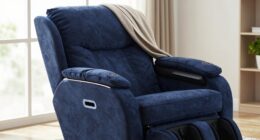
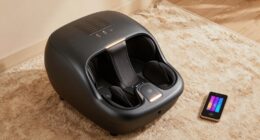
Percussive therapy tools deliver rapid, focused pulses to relax tight muscles and target trigger points more effectively, but they tend to be more expensive and require some familiarity to use safely. Foam rollers are affordable and great for broad, gentle muscle release, though they may not reach deep knots. Both can boost recovery, but understanding their differences can help you choose the right tool for your needs—keep going to discover more.
Key Takeaways
- Foam rollers provide broad, sustained myofascial release, while percussive therapy delivers targeted, rapid pulses for deep tissue stimulation.
- Foam rolling is cost-effective and easy to use but less precise; percussive tools allow focused treatment but are more expensive.
- Percussive therapy can more effectively address stubborn knots and trigger points than foam rolling.
- Foam rollers are suitable for general muscle maintenance; percussive devices are ideal for deep, specific muscle issues.
- Proper technique and guidance are essential to avoid discomfort or injury with both tools.

When it comes to relieving muscle tension and improving recovery, both percussive therapy tools and foam rollers are popular options, but they serve different needs. If you’re aiming to enhance muscle recovery and reduce the risk of injury, understanding how each tool works can help you choose the right one. Foam rollers are straightforward, cost-effective, and widely used for myofascial release. When you roll your muscles over a dense foam surface, you help break down adhesions and improve blood flow. This process can ease soreness, increase flexibility, and prepare your muscles for activity. Because foam rolling is accessible and easy to incorporate into your routine, it’s often the first choice for athletes and fitness enthusiasts aiming for injury prevention and faster recovery.
Percussive therapy tools, on the other hand, deliver rapid, concentrated pulses of percussion directly into your muscles. These devices are more advanced and tend to target specific areas with greater precision. When you use a percussive device, the deep tissue stimulation promotes more effective muscle recovery by reducing knots and trigger points that may not respond as well to foam rolling alone. The vibration helps increase circulation, release tension, and accelerate the repair of damaged tissues. For injury prevention, percussive therapy can be especially beneficial because it allows you to focus on tight or sore spots, preventing further strain or injury during workouts or daily activities.
However, each tool has its limitations. Foam rollers require some technique to avoid discomfort and maximize benefits, and they might not reach deep enough for severe knots or chronic tightness. Percussive therapy devices, while more effective at targeting deep tissues, are typically more expensive and require a bit of familiarity to use safely. Overuse or incorrect application can cause bruising or discomfort, so proper guidance is essential.
In terms of muscle recovery, foam rollers are excellent for a gentle, sustained release that prepares muscles pre- and post-exercise. Percussive therapy provides a more intense, spa-like experience that can quickly loosen stubborn muscle tightness. For injury prevention, combining both methods can be ideal: foam rolling for general maintenance and percussive therapy for targeted treatment. Ultimately, your choice depends on your specific needs, budget, and comfort level. Both tools complement each other well, helping you stay active, reduce soreness, and minimize injury risks.
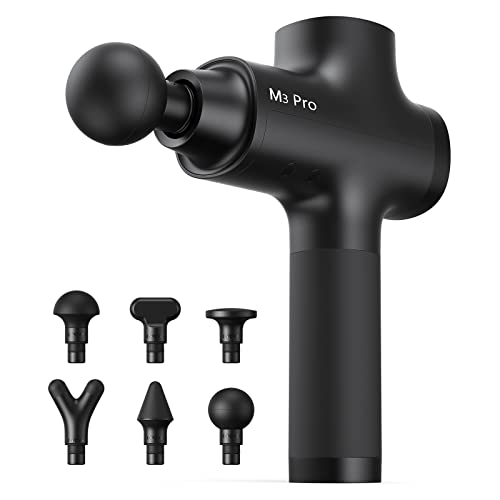
Opove M3 Pro 2 Massage Gun Deep Tissue Percussion Muscle Massager for Workout, Handheld Percussive Therapy Fascia Gun for Athletes Fast Recovery 4-8 Hours Long Battery Life, Powerful, Quiet, Black
Opove M3 Pro had sold more than 500,000 units all over the world since its launch. It has…
As an affiliate, we earn on qualifying purchases.
As an affiliate, we earn on qualifying purchases.
Frequently Asked Questions
Which Tool Offers Faster Muscle Recovery?
Percussive therapy tools typically offer faster muscle recovery compared to foam rollers. They target muscle fatigue more effectively by delivering rapid, deep pulses that break up tension and improve blood flow. This accelerates recovery speed and reduces soreness. You’ll notice quicker relief from tightness and fatigue when using percussive devices, making them a better choice if you want to speed up muscle recovery after intense workouts or long periods of activity.
Are Percussive Therapy Tools Suitable for All Fitness Levels?
Percussive therapy tools are generally beginner friendly options, making them suitable for most fitness levels. You can start with basic settings and gradually explore advanced techniques as you become more comfortable. However, if you have specific medical conditions or injuries, it’s best to consult a professional first. These tools can enhance your recovery routine when used properly, but always listen to your body and avoid overusing them.
How Do Cost and Maintenance Compare Between the Two?
You’ll find that pricing differences between percussive therapy tools and foam rollers are significant; tools tend to be more expensive upfront. Maintenance requirements are minimal for foam rollers—they just need occasional cleaning—whereas percussive therapy devices may require regular charging and occasional parts replacement. Overall, foam rollers are more budget-friendly and easier to maintain, making them a practical choice if you want low-cost, low-effort recovery options.
Can Foam Rollers Replace Percussive Therapy Tools?
Foam rollers can’t fully replace percussive therapy tools, especially for targeted muscle relaxation and injury prevention. While foam rollers are effective for general muscle loosening, percussive devices deliver deeper, more precise treatment, speeding recovery and reducing soreness. If you want a versatile, cost-effective option for routine maintenance, foam rollers work well. But for intense therapy and injury prevention, percussive tools provide unmatched benefits.
What Safety Precautions Should Be Taken With Each?
Think of your muscles as delicate gardens; safety precautions are the watering can. With foam rollers and percussive therapy tools, always start with proper technique to prevent injury risks. Use gentle pressure and avoid bony areas, especially if you’re sore or injured. For both, listen to your body, and stop if you feel pain. Proper technique ensures you nurture your muscles without causing harm, like tending a garden with care.
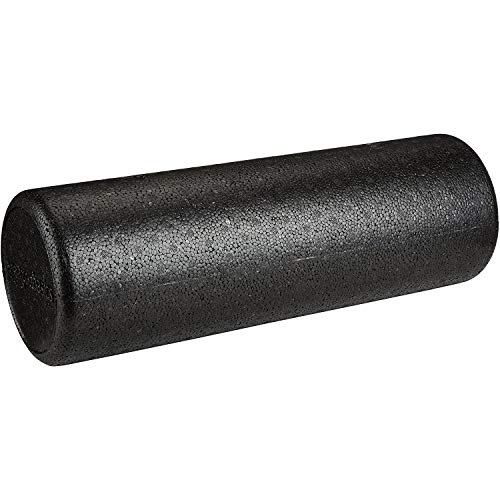
Amazon Basics High-Density Foam Roller for Exercise and Recovery, 18 Inches, Black
High-density foam roller in Black
As an affiliate, we earn on qualifying purchases.
As an affiliate, we earn on qualifying purchases.
Conclusion
Ultimately, whether you choose percussive therapy tools or foam rollers, prioritize your progress and personal preferences. Both offer benefits, but consistency is key. Consider comfort, convenience, and your specific needs to make the most of your muscle recovery routine. Remember, the journey to better mobility and minimized soreness depends on dedication, discipline, and discovering what works best for you. Stay committed, stay curious, and keep moving forward—your body will thank you.
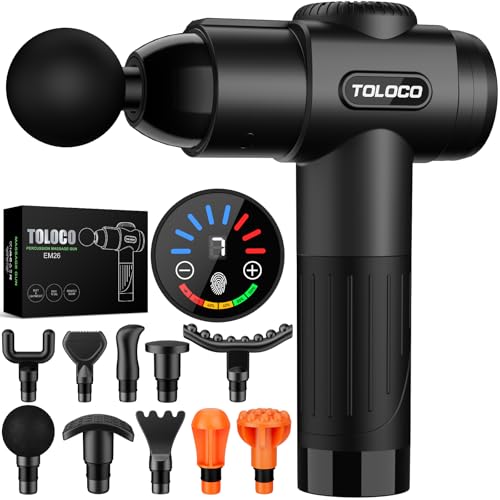
TOLOCO Massage Gun, Deep Tissue Back Massage for Athletes for Pain Relief, Percussion Massager with 10 Massages Heads & Silent Brushless Motor, Valentines Day Gifts for Him Her, Black
Quick Pain Relief: The TOLOCO deep tissue massage gun has a high penetration force of 12mm, up to…
As an affiliate, we earn on qualifying purchases.
As an affiliate, we earn on qualifying purchases.

TriggerPoint Grid 1.0 Foam Roller – 13" Multi-Density Massage Roller for Deep Tissue & Muscle Recovery – Relieves Tight, Sore Muscles & Kinks, Improves Mobility & Circulation – Targets Key Body Parts
IMPROVE MUSCLE RECOVERY – Multi-density GRID features a three-dimensional surface that provides more efficient muscle recovery by promoting…
As an affiliate, we earn on qualifying purchases.
As an affiliate, we earn on qualifying purchases.