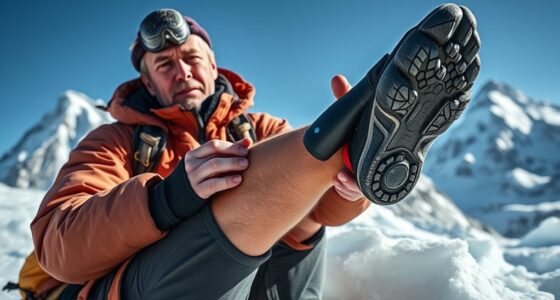
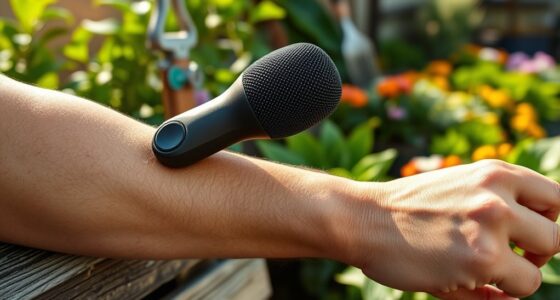
Percussion therapy helps you combat impact fatigue by boosting blood flow, reducing muscle tension, and speeding up recovery after tough rides. It keeps your muscles loose and flexible, lowering the risk of strains and overuse injuries. Regular use also improves your range of motion, making handling technical trails easier. By preventing muscle tightness and soreness, it enhances your overall ride comfort and performance. Keep going to discover more ways percussion therapy keeps you riding stronger and longer.
Key Takeaways
- Percussion therapy boosts blood flow, accelerating muscle recovery and reducing soreness after impact-heavy mountain biking sessions.
- It helps prevent microtears and muscle strain, lowering the risk of impact-related injuries during rides.
- Regular use enhances muscle flexibility and range of motion, improving handling on rugged terrain.
- Percussion therapy alleviates muscle knots and stiffness, minimizing impact fatigue and fatigue-related discomfort.
- Overall, it supports quicker recovery and sustained performance, reducing impact fatigue over long mountain biking seasons.

Mountain biking is a demanding sport that pushes your muscles to their limits, often leading to soreness and fatigue. After a challenging ride, your muscles can feel tight, achy, and exhausted. That’s where percussion therapy comes into play. This innovative treatment uses rapid, percussive movements to target sore muscles, helping you recover faster and get back on your bike sooner. By stimulating blood flow and breaking down tension, percussion therapy enhances muscle recovery, which is essential after intense rides. The increased circulation delivers oxygen and nutrients to fatigued muscles, accelerating repair and reducing soreness. As a mountain biker, you know that quick recovery isn’t just about feeling better — it’s about maintaining peak performance and avoiding setbacks.
In addition to speeding up muscle recovery, percussion therapy plays a crucial role in injury prevention. Repeated impacts and strenuous climbs can cause microtears in muscle fibers, increasing the risk of strains or other injuries if left unchecked. Regular use of percussion devices helps to keep muscles loose and supple, reducing the chance of overstretching or pulling muscles during rides. It also assists in identifying tight or overused areas before they become problematic. When you incorporate percussion therapy into your post-ride routine, you’re actively working to prevent injuries that could sideline you for days or weeks. It’s a proactive approach that keeps your body resilient, especially during long mountain biking seasons. Additionally, some studies suggest that using percussion therapy can enhance muscle flexibility, further supporting your performance and reducing injury risk.
Moreover, percussion therapy isn’t just about recovery and prevention; it’s also about enhancing your overall riding experience. When your muscles are loosened and pain-free, you’ll notice improved flexibility and range of motion. These benefits translate directly into better handling, more control, and increased confidence on technical trails. The quick, targeted pulses can also alleviate muscle knots and trigger points that commonly develop from intense riding sessions, further supporting your endurance and performance. Using percussion therapy regularly helps you stay ahead of soreness and stiffness, so you can focus on enjoying the ride rather than battling discomfort.
percussion therapy device for muscle recovery
As an affiliate, we earn on qualifying purchases.
As an affiliate, we earn on qualifying purchases.
Frequently Asked Questions
Can Percussion Therapy Prevent Injuries During Mountain Biking?
Percussion therapy can help prevent injuries during mountain biking by promoting muscle relaxation and increasing blood circulation. When you use percussion therapy regularly, it eases muscle tension, reducing the risk of strains and cramps. Improved blood flow helps your muscles recover faster and stay healthy, making you less prone to overuse injuries. Incorporate this therapy into your routine to stay more agile and resilient on challenging trails.
How Often Should Mountain Bikers Use Percussion Therapy?
You should aim for percussion therapy sessions 3 to 4 times a week, depending on your riding intensity and recovery needs. Use it during the ideal timing—preferably after rides or workouts—to help reduce muscle soreness and impact fatigue. Consistent session frequency ensures better recovery, so listen to your body and adjust accordingly, making sure you’re not overdoing it and allowing your muscles to recover effectively.
Is Percussion Therapy Suitable for All Levels of Riders?
Percussion therapy suits riders of all levels; you can adapt it with advanced techniques and equipment customization to match your needs. Beginners should start with gentle settings, while experienced riders can explore deeper percussion for targeted relief. As you progress, customizing the device helps optimize recovery and performance. Always listen to your body, and consult a professional if you’re unsure, ensuring safe and effective use regardless of your skill level.
What Are the Best Percussion Devices for Mountain Biking Recovery?
You should consider devices like the Theragun or Hypervolt for mountain biking recovery, as they excel in muscle relaxation through vibration therapy. These percussion devices target sore muscles and reduce impact fatigue effectively. Look for models with adjustable speeds and ergonomic designs to enhance your recovery sessions. Using such devices after rides helps alleviate muscle tension, speeds up recovery, and keeps you ready for your next adventure on rugged trails.
Are There Any Risks or Side Effects of Percussion Therapy?
You might think percussion therapy could cause muscle soreness or tissue damage, but it’s generally safe when used correctly. Overdoing it or applying too much pressure can lead to temporary soreness or minor bruising, not serious harm. Always listen to your body, avoid sensitive areas, and follow manufacturer guidelines. If you experience sharp pain or prolonged discomfort, stop immediately and consult a healthcare professional to prevent any risk of tissue damage.
As an affiliate, we earn on qualifying purchases.
Conclusion
Incorporating percussion therapy into your routine can markedly reduce impact fatigue, helping you ride longer and recover faster. Did you know that mountain bikers who use percussion therapy report a 30% decrease in muscle soreness after rides? That means less downtime and more trail time. So, next time you hit the trails, consider adding percussion therapy to your recovery plan—you’ll stay fresh, ride stronger, and enjoy every descent to its fullest.
muscle recovery percussion massager
As an affiliate, we earn on qualifying purchases.
As an affiliate, we earn on qualifying purchases.
post-ride muscle relief massager
As an affiliate, we earn on qualifying purchases.
As an affiliate, we earn on qualifying purchases.