Warmup activation prepares your body for exercise by increasing blood flow, raising core temperature, and engaging muscles through dynamic movements, helping prevent injuries and boost performance. Recovery relaxation, on the other hand, focuses on calming muscles after exercise with static stretching, deep breathing, and rest, supporting muscle repair, reducing tension, and preventing overtraining. Understanding these stages helps you optimize both your workouts and recovery. Keep exploring to learn how to effectively implement each stage for better results.
Key Takeaways
- Warmup activation increases blood flow, core temperature, and prepares muscles and nervous system for activity.
- Recovery relaxation focuses on calming muscles, reducing tension, and promoting healing after exercise.
- Warmup involves dynamic stretching and movement; recovery emphasizes static stretches, deep breathing, and relaxation techniques.
- Both stages serve distinct roles: activation prepares the body, relaxation restores balance and prevents injury.
- Proper timing ensures effective transition from warmup to workout and from exertion to recovery, optimizing performance and safety.

Before diving into your workout or recovery session, understanding the difference between warmup activation and recovery relaxation is essential. These two stages serve distinct purposes, and knowing how to approach each can considerably impact your performance and recovery. Warmup activation is all about preparing your body and mind for the physical activity ahead. It involves increasing blood flow, raising your core temperature, and engaging muscles to get them ready for exertion. Dynamic stretching plays a vital role here, as moving through controlled, active stretches helps loosen joints and muscles, reducing the risk of injury. This process also boosts mental preparedness, helping you focus and mentally gear up for your workout. When you perform dynamic stretches, you’re not just stretching your muscles; you’re also signaling your nervous system that it’s time to move, which enhances coordination and reaction time. Proper filtration systems in your equipment, like HEPA filters, can also improve your environment by capturing allergens during your recovery.
In contrast, recovery relaxation focuses on calming your body after intense activity. Once you’ve completed your workout, your muscles are fatigued and need to unwind. Recovery relaxation techniques aim to reduce muscle tension, facilitate blood circulation, and promote healing. Gentle activities like static stretching, foam rolling, or even deep breathing exercises help your muscles relax and restore balance. This phase also involves mental relaxation—slowing your breathing and calming your mind helps reduce stress levels and prevents injury caused by tight, overworked muscles. Incorporating relaxation techniques helps your body transition from a state of exertion to rest, promoting better sleep and overall recovery.
Understanding when to implement each stage is key. During warmup, your focus should be on increasing mobility and activating muscles through dynamic movements. This prepares your body for the demands of your workout and helps you perform at your best. Mental preparedness during this phase is equally important; visualizing your goals and setting intentions can boost confidence and focus. Conversely, during recovery, your priority shifts to calming your nervous system and easing muscle tension. This helps prevent soreness and speeds up the healing process, so you’re ready for your next session. Both stages are interconnected, but they serve opposite functions—one energizes and prepares, the other relaxes and restores. By consciously applying dynamic stretching during warmup and adopting relaxation techniques post-exercise, you optimize your fitness routine, reduce injury risk, and improve overall well-being. Mastering these differences ensures that your body gets the right signals at the right time, making every workout more effective and every recovery more restorative.

Trideer Stretching Strap Yoga Strap Physical Therapy for Home Workout, Exercise, Pilates and Gymnastics, 10 Loops Non-Elastic Stretch Bands with Aesthetic Packaging for Women & Men (Black)
【Long Lasting Premium Quality】Made of sturdy polypropylene, this tough yoga strap stands out in a crowd by providing…
As an affiliate, we earn on qualifying purchases.
As an affiliate, we earn on qualifying purchases.
Frequently Asked Questions
How Long Should Warmup and Recovery Periods Last?
For warmup activation, aim for 5 to 10 minutes, focusing on exercise specificity to prepare your muscles and cardiovascular system effectively. Recovery relaxation should last around 5 to 15 minutes post-exercise, depending on the intensity, to help your body cool down and prevent injury. Adjust these duration guidelines based on the type of activity you’re doing, ensuring your warmup and recovery periods support ideal performance and safety.
Can Warmup Activities Replace General Stretching Routines?
Warmup activities shouldn’t replace your general stretching routines, especially static stretching, but they do include dynamic stretching to prepare your muscles. Dynamic movements enhance blood flow and activate muscles, while mental preparation helps you focus. Incorporate both for peak readiness. Use warmup activities to complement your stretching, ensuring your body’s primed and your mind is alert before intense activity.
Are There Specific Exercises Best for Activation Versus Relaxation?
Think of your body as a finely tuned engine that needs different tunes for different runs. For activation, you should focus on dynamic stretching, which sparks your muscles into action like a spark plug. For relaxation, gentle exercises like deep breathing or light yoga serve as a calming wave, easing mental preparation. Choosing the right exercises helps you optimize performance and recovery, keeping your body ready and resilient.
How Does Individual Fitness Level Affect Warmup and Recovery Methods?
Your personal fitness level influences how you should approach warmup and recovery. If you’re a beginner, focus on gentle activation exercises to enhance muscle readiness without overexerting yourself. More advanced individuals can incorporate dynamic movements for ideal activation and targeted recovery techniques. Adjust your methods based on your fitness, ensuring your muscles are prepared for activity and properly relaxed afterward, which helps prevent injury and promotes better performance.
What Are Signs of Inadequate Warmup or Recovery?
If you experience muscle stiffness or joint pain during or after activity, your warmup or recovery might be inadequate. You may notice lingering soreness, decreased performance, or increased fatigue. These signs indicate your muscles and joints aren’t properly prepared or healed, risking injury. To avoid this, make sure your warmup gradually increases activity intensity, and your recovery includes stretching, hydration, and rest. Proper attention helps prevent discomfort and promotes better performance.

TriggerPoint Grid 1.0 Foam Roller – 13" Multi-Density Massage Roller for Deep Tissue & Muscle Recovery – Relieves Tight, Sore Muscles & Kinks, Improves Mobility & Circulation – Targets Key Body Parts
IMPROVE MUSCLE RECOVERY – Multi-density GRID features a three-dimensional surface that provides more efficient muscle recovery by promoting…
As an affiliate, we earn on qualifying purchases.
As an affiliate, we earn on qualifying purchases.
Conclusion
Remember, warming up activates your muscles and prepares your body, making your workout safer and more effective. Recovery relaxation helps your muscles recover and reduces soreness after exercise. Some might think it’s boring or unnecessary, but incorporating both into your routine boosts performance and helps prevent injury. So, embrace these practices—they’re essential for enjoying your fitness journey and seeing better results. With a little effort, you’ll feel stronger, more energized, and ready to conquer your goals!
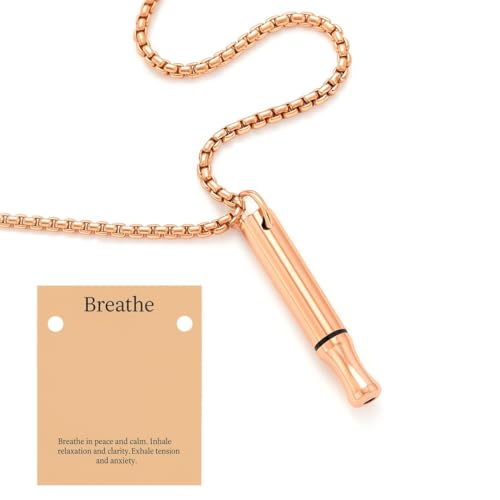
Breathing Necklace for Relaxation and Focus, Mindful Breathing Pendant for Calm, Stress Relief Necklace for Adults, Deep Breathing Tool for Meditation and Anxiety Support (Unisex)
Mindful Breathing Necklace for Calm and Balance: Designed to guide slower, deeper breaths and support moments of calm…
As an affiliate, we earn on qualifying purchases.
As an affiliate, we earn on qualifying purchases.

MZDXJ Muscle Roller Massage Roller Stick- Deep Tissue Fascia Blaster for Myofascial Pain Relief, Lymphatic Drainage & Body Sculpting, Handheld Physical Therapy & Recovery Tool (Purple Black-18 inch)
[🌟Precise targeting] Our product can reach deep into muscle trigger points. Its professional massage design effectively relieves muscle…
As an affiliate, we earn on qualifying purchases.
As an affiliate, we earn on qualifying purchases.