TL;DR

Get workout gear delivered free with Prime
- Fast, free delivery on millions of items
- Prime Video, Amazon Music and more included
- Member-only deals all year
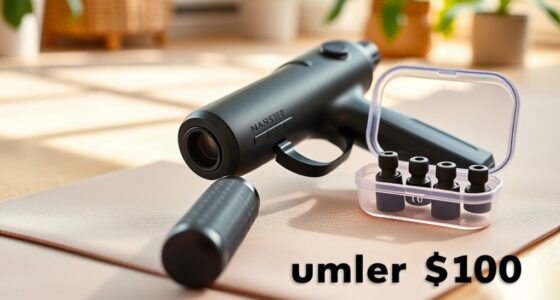
Percussion massage guns are handheld devices that deliver deep, forceful strokes to soft tissue. They can temporarily boost mobility and reduce soreness, but don’t replace proper recovery or medical care. Choosing the right model and using it safely makes all the difference.
Choose a massage gun with appropriate amplitude and stall force for your sensitivity and needs.
Start slow—use light pressure and keep the device moving to avoid bruising or nerve irritation.
Use it as a supplement, not a substitute, for proper recovery routines like stretching and hydration.
Opt for quieter, ergonomic models with longer battery life to enhance daily usability.
Always listen to your body—stop if you experience sharp pain or discomfort.
What Are Percussion Massage Guns, and How Do They Work?
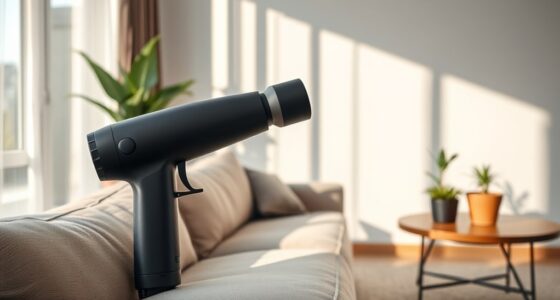
Percussion massage guns are handheld devices that repeatedly drive a massage head into soft tissue, creating a rhythmic, pounding sensation. Unlike gentle vibration massagers, these deliver deeper, larger strokes that penetrate muscles more forcefully. They operate with a motor that moves the attachment back and forth at variable speeds, typically between 1,000 and 3,200 blows per minute.
Imagine the feeling of a percussion drill but designed for your muscles. The impact stimulates blood flow, warms up tissue, and may help loosen tight muscles. But it’s important to recognize that their primary role is to provide a sensation of relief and increased mobility—not to heal injuries or remove knots like magic. Think of them as a quick, targeted way to give your muscles a gentle tap that can feel surprisingly satisfying.
Understanding how they produce their effects helps users appreciate their limitations. The rapid, forceful strokes increase local circulation, which can temporarily reduce muscle stiffness and soreness. However, this increased blood flow doesn’t directly repair damaged tissues or resolve deep-seated knots—those require targeted therapies or professional intervention. The tradeoff lies in their convenience versus the depth of treatment they can provide; they are excellent for quick relief but not substitutes for comprehensive therapy.
percussion massage gun for muscle recovery
As an affiliate, we earn on qualifying purchases.
As an affiliate, we earn on qualifying purchases.
3 Things You’ll Love About Percussion Massage Guns
- Immediate Soreness Relief: After a tough workout, you can feel tight or sore. A few minutes with a massage gun can make your muscles feel more relaxed and less stiff. For example, hitting your quads after a long run feels like loosening a tight rubber band—suddenly more comfortable. This immediate relief is especially valuable when you need to get back to activity quickly or want to avoid prolonged discomfort that can hinder performance or recovery.
- Enhanced Mobility: Using a massage gun before exercise can help loosen up muscles, making it easier to move freely. It’s like warming up your car engine on a cold day, getting everything ready to perform better. Improved mobility isn’t just about feeling better; it can also reduce the risk of strain or injury by preparing muscles for activity, especially when time or resources for a full warm-up are limited.
- Convenient Self-Care: No need for appointments or pricey massages. Just grab your device, pick an attachment, and go. It’s a quick, portable fix that fits into your busy schedule—whether in the gym, at home, or on the road. This convenience encourages consistent use, which can lead to better overall muscle health and less reliance on external treatments. However, overuse or improper technique can diminish benefits or cause irritation, so understanding proper application maximizes its value.
As an affiliate, we earn on qualifying purchases.
Why Not All Massage Guns Are Created Equal — Key Features Explained
Choosing the right percussion massage gun depends on several key features. Let’s break down what really matters when shopping for one.
Amplitude
Amplitude is how far the attachment moves with each stroke. Think of it as the punch of the device. Larger amplitudes—say, 12mm—deliver a more forceful impact, ideal for deep tissue, while smaller amplitudes—around 8mm—offer gentler relief. A big punch isn’t always better; sensitive areas or beginners might prefer a softer touch. The tradeoff involves balancing effective penetration with comfort, especially for delicate or injury-prone areas.
Stall Force
This term describes how much pressure the device can handle before its motor stalls or slows down. If you press hard into your muscles, you want a gun with a high stall force—over 20 pounds is common. Without it, the device might slow down or stop under pressure, reducing its effectiveness and risking overheating. A high stall force allows for deeper, more effective treatment without the device bogging down or overheating, ensuring consistent performance during vigorous use.
Speed Settings
Most models offer multiple speeds—anywhere from 1,000 to 3,200 blows per minute. Lower speeds are good for sensitive areas or warming up, while higher speeds feel more intense. However, many devices offer dozens of nearly identical settings, which might be overkill. Opting for a few well-chosen speed options simplifies control and reduces confusion, while ensuring you can tailor the intensity to your needs without overcomplicating the process.
Noise and Ergonomics
Powerful doesn’t mean loud. Quiet, brushless motors are now common, making devices less disruptive. Handle design and weight matter, too. A heavy, awkward device can tire your hand quickly, defeating the purpose of a quick relief session. Ergonomic design reduces fatigue during extended use, and low noise levels make it easier to use discreetly or in shared spaces, enhancing overall usability and comfort.
Battery & Attachments
Look for real-world runtime—most last 2-3 hours on a full charge. USB-C charging is a plus for convenience. Attachments vary from soft heads for sensitive spots to pointed tips for precision. The shape and material influence both comfort and access. Choosing versatile attachments allows targeting different muscles effectively, but compatibility and ease of switching are also important for seamless use during recovery routines.
Understanding how these features impact performance helps you select a device that matches your specific needs—whether for quick recovery, deep tissue work, or portability for on-the-go use.
percussion massage gun with long battery life
As an affiliate, we earn on qualifying purchases.
As an affiliate, we earn on qualifying purchases.
How to Use a Percussion Gun Without Wrecking Your Muscles
The secret to safe, effective use is simple: start slow, keep moving, and listen to your body. Begin with the lowest speed and gentle pressure. Glide the device over your muscles—don’t press down hard. Spend about 30 seconds to two minutes on each area.
For example, after a long hike, you might target your calves and hamstrings, moving the gun in slow, steady strokes. If you feel sharp pain or tingling, stop immediately. Use it post-workout to help ease tightness, but don’t rely on it alone. Rest, hydration, and good nutrition are still your best recovery tools.
Be cautious around sensitive or risky zones. Avoid direct use over bones, joints, neck, or open wounds. Pregnant women and people with medical conditions should consult a healthcare professional before use. Remember, excessive or aggressive treatment can lead to bruising or nerve irritation—pain is not a badge of progress. Proper technique and moderation are essential because overuse can cause tissue irritation, bruising, or nerve sensitivity, which may prolong recovery or cause discomfort. The goal is to enhance circulation and relaxation without overstimulating tissues or risking injury.
As an affiliate, we earn on qualifying purchases.
New Trends in Percussion Massage Devices — What’s Changing?
The market is shifting from raw power to smarter, more user-friendly features. Modern devices are smaller, quieter, and more connected than ever. Think of mini models that slide into your gym bag, or apps that guide your routines and measure pressure.
Some recent innovations include:
- Pressure sensors that alert you if you’re pressing too hard
- Bluetooth-enabled devices with guided routines
- Heated or cooled attachments for enhanced comfort
- Ergonomically angled handles for hard-to-reach spots
- Longer-lasting batteries with fast charging
While these features add convenience and fun, they don’t turn a massage gun into a medical device. Use them as helpful tools—never rely solely on tech for recovery or injury treatment. Staying informed about these innovations helps users select devices that best fit their lifestyle, making recovery routines more intuitive and accessible, but always with an understanding of their limitations in medical or injury contexts.
Picking the Right Massage Gun for Your Needs
Not every massage gun is worth your money. The best choice depends on your goals and how often you’ll use it. For occasional recovery, a mid-range model with good force and decent battery life might suffice. If you’re a pro athlete or trainer, investing in a quieter, more durable device makes sense.
Here’s a quick checklist:
- Comfortable weight and grip: You’ll use it a lot, so comfort matters.
- Adjustable speed and force: Flexibility makes it suitable for different areas.
- Quiet operation: No one wants a noisy neighbor—especially during late-night recovery.
- Long battery life: Aim for at least 2 hours per charge.
- Reliable warranty and parts: Better safe with repairability and support.
Choosing a device aligned with your specific needs ensures you get the most benefit without overspending. Consider your typical recovery routines, areas of focus, and comfort preferences. Sometimes, simpler models with effective force and ergonomic design provide all the benefits you need, making them practical and economical choices for everyday use.
Frequently Asked Questions
Can I use a percussion massage gun on my neck?
Use caution. Avoid the front and sides of your neck due to sensitive blood vessels and nerves. The back of the neck can be treated gently, but only with proper technique and, ideally, professional guidance. Never press hard or hold the device in one spot too long.How do I know if I’m pressing too hard?
If you feel sharp pain, tingling, numbness, or increased discomfort, you’re pressing too hard. The goal is a comfortable, gentle sensation. Many devices have pressure sensors or app alerts—use them to stay within safe limits.Can a massage gun help with scar tissue or cellulite?
There’s no solid evidence that massage guns can permanently remove scar tissue or cellulite. They may temporarily improve the feel of these areas, but for serious concerns, consult a healthcare professional or dermatologist.Is a more expensive model really better?
Not necessarily. Higher-end models often offer quieter operation, longer battery life, and better ergonomics. But for casual use, a mid-range device with decent force and comfort features can work just as well.When should I see a doctor instead of trying to self-treat?
Seek medical attention if you experience severe pain, swelling, numbness, weakness, or symptoms that worsen or don’t improve. Also, avoid using a massage gun over suspected fractures, blood clots, or during pregnancy without professional advice.Conclusion
A percussion massage gun can be a valuable tool for quick muscle relief and increased mobility—if used wisely. Think of it as a targeted tap, not a cure-all. Remember, your body’s best recovery still relies on good sleep, hydration, and balanced training. When you treat your muscles with respect, these devices become effective allies, not shortcuts.Halloween Picks
halloween
As an affiliate, we earn on qualifying purchases.