
To choose between smart tracking and simpler habits, consider your goals and how much data motivates you. If you thrive on detailed insights and real-time feedback, smart devices can boost engagement and help you make precise adjustments. However, if you prefer less stress and steady progress without distractions, simple habits may be more sustainable. Understanding what keeps you motivated is key—exploring further can help you make the best choice for your lifestyle.

Get workout gear delivered free with Prime
- Fast, free delivery on millions of items
- Prime Video, Amazon Music and more included
- Member-only deals all year
Key Takeaways
- Assess your preference for detailed insights versus straightforward, easy-to-maintain habits.
- Consider whether real-time feedback and visual data motivate or cause overwhelm.
- Evaluate if long-term adherence benefits from simplicity or detailed tracking features.
- Match the complexity of tools to your comfort level with data analysis and technology.
- Balance the desire for accuracy and engagement with potential risk of burnout or distraction.

Deciding whether to use smart tracking tools or stick with simple habits can substantially impact your ability to stay motivated and achieve your goals. When you’re choosing, consider how data accuracy influences your progress. Smart tracking devices often provide detailed insights into your activities, such as steps taken, calories burned, and sleep patterns. This data accuracy can help you identify specific areas for improvement and make informed adjustments. However, it’s important to recognize that overly complex data might sometimes lead to information overload, causing frustration rather than motivation. If you’re someone who thrives on precise feedback and detailed analysis, smart tools could boost your engagement. But if you find yourself overwhelmed by constant data, sticking to simpler habits might be more effective, keeping things straightforward and less stressful. Additionally, understanding the significance of time symbolism in tracking can deepen your awareness of progress and setbacks. User engagement plays a significant role in your success, whether you opt for technology or traditional methods. Smart tracking tools tend to foster higher user engagement because they actively involve you in monitoring your progress. Push notifications, daily summaries, and visual progress charts create a sense of accountability and make you more likely to stay committed. If you’re motivated by real-time feedback and interactive features, these tools can keep you hooked. Moreover, incorporating accurate data from projectors can enhance your understanding of visual quality and viewing experience, especially when selecting devices for home entertainment. Including visual aids such as charts or graphs that display your progress can also make tracking more engaging and easier to interpret. Interestingly, content creation through AI tools can also assist in tracking and analyzing your habits by generating personalized reports, making data interpretation more accessible. On the other hand, simple habits—like setting a consistent sleep schedule or drinking more water—may lack the immediate feedback but can be easier to incorporate into daily life without additional distractions. They tend to require less effort to maintain, which could lead to better long-term adherence if you prefer a minimalist approach.
Products Worth Considering

Withings Sleep Tracking Pad

Oura Ring 5 Smart Ring, Silver, Size 7
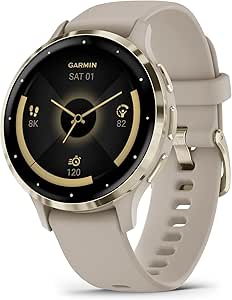
Garmin Venu 3S GPS Fitness Smartwatch, 41 mm, French Gray
As an affiliate, we earn on qualifying purchases.
Frequently Asked Questions
Can Smart Tracking Replace Traditional Journaling Effectively?
Smart tracking can effectively replace traditional journaling by leveraging digital integration, making it easier to log and analyze data automatically. It enhances personal accountability by providing instant feedback and reminders, motivating you to stay on track. However, it may lack the personal touch of handwritten entries. Ultimately, if you prefer seamless, data-driven insights, smart tracking works well, but if you value reflection, traditional journaling might still be your best choice.
How Do Costs Differ Between Smart Tracking Devices and Simple Habits?
Imagine you’re tracking your daily steps. Smart devices like fitness trackers can cost anywhere from $50 to over $200, making device affordability a key factor. In contrast, simple habits like jotting down your activity in a notebook cost nothing. Cost comparison shows that smart tracking involves an upfront investment, but traditional habits are free. Your choice depends on your budget and how much you’re willing to spend for added convenience.
Are There Age Restrictions for Using Smart Tracking Tools?
There are some age restrictions for using smart tracking tools, especially for children under 13, due to privacy concerns and legal regulations like COPPA. Older adults might face accessibility challenges, such as small screens or complicated interfaces, which can hinder their use. Before starting, consider if privacy concerns are manageable and if the device’s accessibility features meet your age group’s needs to guarantee safe, effective use.
How Secure Is My Data With Smart Tracking Technology?
Imagine your fitness data being hacked, and your personal info exposed—that’s a real privacy concern. Smart tracking technology generally uses data encryption to protect your info, making it secure. However, vulnerabilities exist if companies mishandle data or have weak security protocols. Always review privacy policies, and choose brands that prioritize data encryption and transparency, so you can confidently enjoy the benefits without fearing your data’s safety.
Can Combining Both Methods Enhance Habit Formation?
Combining smart tracking and simpler habits can definitely boost your habit consistency and motivation strategies. Smart tracking provides real-time feedback, helping you stay accountable, while simpler habits make it easier to maintain progress daily. By blending both, you create a balanced approach that keeps you engaged and motivated, reducing overwhelm. This synergy encourages steady progress and reinforces positive behavior, making it easier to stick with your habits long-term.
Conclusion
Ultimately, choosing between smart tracking and simple habits is like selecting the right brush for your canvas. Smart tools can add vibrant detail, but sometimes, straightforward strokes let your true colors shine through. Trust your instincts and consider what motivates you most. Whether you embrace the precision of technology or the purity of simplicity, remember that the masterpiece is yours to create. Your journey is unique—pick the path that allows your habits to flourish like a well-tended garden.