

To recover better from repetitive daily movement, focus on ergonomic adjustments like supportive chairs, screen height, and neutral wrist positions to reduce strain. Incorporate stretching, mobility exercises, and self-massage into your routine to boost blood flow and prevent muscle knots. Practice mindful movement and body mechanics to catch signs of strain early. Take regular breaks, stay hydrated, and create a healthy environment. Keep these habits consistent—staying proactive helps you maintain resilience and overall well-being.
Key Takeaways
- Incorporate regular stretching and mobility exercises into your daily routine to maintain flexibility and prevent muscle tightness.
- Practice mindful movement and proper body mechanics to reduce strain during repetitive tasks.
- Take brief breaks every 30 minutes to move, stretch, or walk, promoting circulation and recovery.
- Stay well-hydrated and maintain good nutrition to support muscle repair and overall recovery.
- Establish long-term ergonomic habits and self-care routines to protect your body from ongoing repetitive stress.
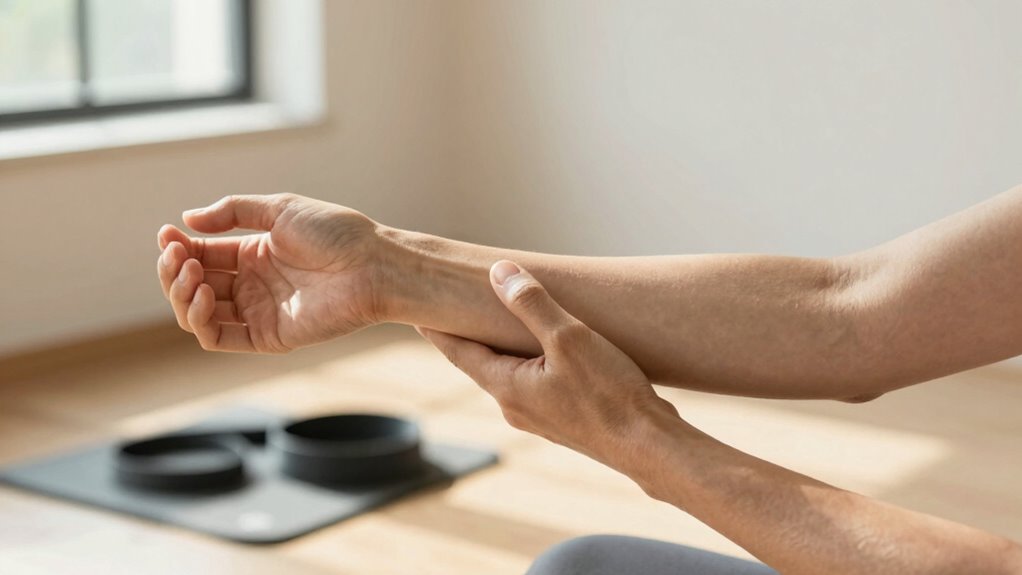
Repetitive daily movements, such as typing, lifting, or even walking the same route, can take a toll on your body over time. You might start to notice soreness, stiffness, or even chronic pain if you don’t pay attention to how your body responds. The key to recovery lies in making simple but effective changes, starting with ergonomic adjustments. When you set up your workspace or daily routine with ergonomics in mind, you help reduce strain on your muscles and joints. For example, make sure your chair supports your lower back, your computer screen is at eye level, and your wrists aren’t bent awkwardly when typing. These adjustments position your body in a way that minimizes unnecessary stress, making it easier for your muscles to recover and preventing future injuries.
Alongside ergonomic adjustments, incorporating restorative techniques into your daily schedule can greatly improve your recovery. Restorative techniques include stretching, gentle mobility exercises, and targeted self-massage. Stretching helps elongate tight muscles that become shortened from repetitive movements, while mobility exercises maintain joint flexibility. For instance, if you spend hours at a desk, doing shoulder rolls or neck stretches can release built-up tension. Self-massage or using tools like foam rollers can help break down muscle knots and improve blood flow, speeding up recovery and reducing soreness. Regularly practicing these techniques ensures your muscles stay supple and resilient, reducing the risk of overuse injuries. Incorporating mindful movement practices can further enhance your awareness of how your body responds to repetitive tasks. Recognizing the importance of muscle recovery can help you adjust your routines more effectively. Additionally, understanding body mechanics and how to move efficiently during daily activities can help you prevent strain from the start.
Listening to your body is essential. If you feel persistent discomfort, don’t ignore it. Instead, take a proactive approach by integrating restorative techniques at the first signs of strain. Restorative practices are especially effective when combined with ergonomic adjustments, as they address both the source of strain and its effects. You should also incorporate brief breaks into your routine—every 30 minutes, stand up, stretch, or walk around. This movement stimulates circulation and prevents muscles from becoming stiff. Hydration and proper nutrition play supporting roles too, as they help your muscles recover and stay healthy. Incorporating smart home technology options like automated reminders or voice alerts can help you remember to take these breaks and stay mindful of your body’s needs. Being aware of air quality and maintaining a healthy indoor environment can further support your recovery, as poor air quality can contribute to muscle fatigue and overall discomfort.
Ultimately, consistent attention to ergonomic adjustments and restorative techniques empowers you to recover more effectively from repetitive movements. You’re not just addressing pain or discomfort temporarily—you’re building habits that protect your body long-term. By making small yet meaningful changes, you create a sustainable routine that minimizes strain and promotes overall well-being. Over time, these practices will help you stay active, pain-free, and resilient, no matter how repetitive your daily tasks may be.
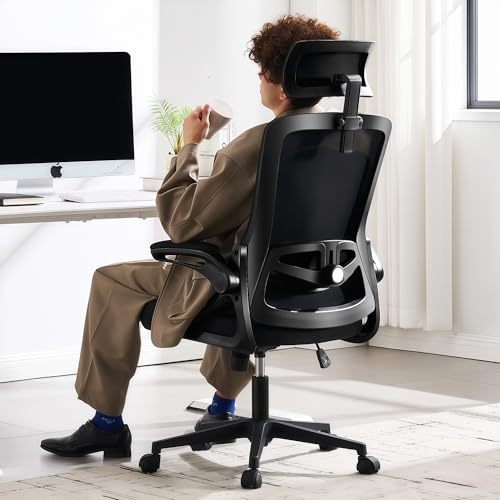
Fizzin Ergonomic Office Chair, 400 LBS Computer Chairs with Adjustable Lumbar Support, Breathable Mesh Desk Chair Ergonomic with Thickened Cushion, Comfy Home Office Desk Chair (Black)
Ergonomic Office Chair: Our ergonomic office chair provides total comfort and support for your head, back, hips and…
As an affiliate, we earn on qualifying purchases.
As an affiliate, we earn on qualifying purchases.
Frequently Asked Questions
How Often Should I Take Breaks During Repetitive Tasks?
You should take breaks every 30 to 60 minutes during repetitive tasks. During these breaks, focus on posture correction by sitting up straight and aligning your neck and shoulders. Incorporate wrist strengthening exercises to prevent strain. Stretch your hands, wrists, and back to reduce tension. Regular breaks help maintain good posture and prevent injuries, ensuring you stay comfortable and productive throughout your workday.
Are There Specific Stretches for Repetitive Motion Recovery?
Yes, there are specific stretch techniques that can help with repetitive motion recovery. Focus on gentle stretches for your wrists, shoulders, neck, and back to ease tension. Incorporate movement awareness by paying attention to your body’s signals and avoiding overstretching. Regularly doing these stretches during breaks can improve flexibility, reduce strain, and prevent injury. Remember, consistency is key to maintaining comfort and mobility during repetitive tasks.
Can Ergonomic Tools Prevent Repetitive Strain Injuries?
Yes, ergonomic tools can help prevent repetitive strain injuries by supporting proper ergonomic design. When you use supportive keyboards, adjustable chairs, and ergonomic mouse devices, you reduce strain on your muscles and joints. These tools promote better posture and movement, which are essential for injury prevention. Incorporating ergonomic solutions into your daily routine minimizes fatigue and discomfort, enabling you to work more comfortably and stay injury-free over time.
How Does Hydration Affect Recovery From Repetitive Movements?
Maintaining proper hydration is essential for recovery from repetitive movements. Did you know that dehydration can increase muscle fatigue by 13%, slowing recovery? When you’re well-hydrated, your muscles and joints stay lubricated, reducing strain and soreness. Hydration supports muscle repair and joint health, helping you bounce back faster. Drinking enough water guarantees your body efficiently flushes out toxins, preventing stiffness and promoting quicker recovery after daily repetitive tasks.
What Are Signs of Overtraining From Repetitive Activities?
You’ll notice overtraining signs like persistent muscle fatigue and joint discomfort that don’t improve with rest. Your muscles may feel weak or sore even after recovery, and you might experience decreased performance or increased irritability. If you’re constantly tired or notice swelling or aching in joints, those are red flags. Listening to your body and allowing proper recovery helps prevent overtraining and keeps you healthy during repetitive activities.

WALI Computer Monitor Stand for Desk, Adjustable Laptop Riser, Desk Monitor Stand Underneath Storage for Office, Home, School Supplies (STT003), 1 Pack, Black
Design: The monitor stand for the desk has a large 14.6 x 9.3 inches metal shelf that fits…
As an affiliate, we earn on qualifying purchases.
As an affiliate, we earn on qualifying purchases.
Conclusion
Remember, even Hercules needed rest after his labors. By listening to your body, stretching, and prioritizing recovery, you guarantee you’re not just surviving those daily movements but thriving through them. Think of your body as a finely tuned instrument—regular tune-ups keep it harmonious. Embrace these habits, and you’ll find your strength and resilience growing, turning everyday routines into acts of self-care. Recovery isn’t a luxury; it’s your secret weapon for a stronger, healthier you.

TriggerPoint Grid 1.0 Foam Roller – 13" Multi-Density Massage Roller for Deep Tissue & Muscle Recovery – Relieves Tight, Sore Muscles & Kinks, Improves Mobility & Circulation – Targets Key Body Parts
IMPROVE MUSCLE RECOVERY – Multi-density GRID features a three-dimensional surface that provides more efficient muscle recovery by promoting…
As an affiliate, we earn on qualifying purchases.
As an affiliate, we earn on qualifying purchases.

Ranarose Deep Tissue Back & Neck Massager – Back Massager Stick for Pain Relief, Muscle Knot Remover, Trigger Point Massage Tool for Full Body, Shoulders, Legs – Pressure Point Massage Tool (Black)
Trigger Point Massage Tool for Pain Relief – Our massage hook puts a full body massage in the…
As an affiliate, we earn on qualifying purchases.
As an affiliate, we earn on qualifying purchases.