Neck tension often starts somewhere else, like poor posture or emotional stress, which strain your muscles. Slouching, leaning forward, or frequently looking at devices causes misalignment and muscle fatigue. Stress from worries or anxiety tightens muscles in your shoulders and jaw, which radiate into your neck. These issues create a cycle that keeps tension persistent. If you want to understand how your habits and feelings contribute, you’ll find helpful insights ahead.
Key Takeaways
- Neck tension frequently results from poor posture habits, such as slouching or phone use, rather than neck injury.
- Emotional stress causes muscle tightening that radiates into the neck, triggering discomfort.
- Misalignment from habits like leaning forward or extended screen time leads to muscle compensation and strain.
- Anxiety and overwhelm activate the fight-or-flight response, causing muscle tension in the neck and shoulders.
- Addressing underlying emotional or posture issues can significantly reduce neck tension, which often originates elsewhere.

Have you ever wondered why neck tension often feels like it’s coming from nowhere? Sometimes, you wake up with a stiff neck or feel tightness that seems to appear out of thin air. The truth is, tension in your neck rarely originates there. Instead, it’s often a symptom of issues elsewhere in your body or mind. Your posture habits play a significant role in this. If you tend to slouch at your desk, lean forward while working, or crane your neck to look at your phone, you’re putting extra strain on your neck muscles. Over time, this constant misalignment and poor posture cause your muscles to become tense and sore, even if you don’t realize it’s happening. The muscles are trying to compensate for the poor positioning, which creates a cycle of discomfort that seems disconnected from any specific injury. Additionally, muscle tension can be a response to underlying body mechanics issues, further contributing to neck discomfort.
Neck tension often stems from poor posture and muscle strain, not an injury or problem in the neck itself.
But posture habits aren’t the only culprit. Emotional stress also has a powerful impact on your physical well-being, especially your neck. When you’re anxious, overwhelmed, or under pressure, your muscles tend to tighten up as part of your body’s fight-or-flight response. You might notice your shoulders creeping up toward your ears or your jaw clenching without even realizing it. This muscle tension doesn’t stay isolated; it radiates into your neck and shoulders, making you feel stiff and uncomfortable even after the emotional stress has passed. Many people carry their stress physically, and the neck often becomes a dumping ground for that tension.
Interestingly, these two factors—posture habits and emotional stress—often work together. When you’re stressed or anxious, you might unconsciously adopt poor posture, such as slumping or hunching over, which then exacerbates neck strain. Conversely, if you spend hours hunched over your computer or phone, you might start feeling anxious or overwhelmed because of the discomfort and fatigue. The cycle feeds itself, making the neck tension seem like it’s coming from nowhere, when in reality, it’s rooted in the body and mind’s response to daily habits and emotional states.
Understanding this connection can help you address neck tension more effectively. Instead of just focusing on easing the pain in your neck, you can look at improving your posture habits and managing emotional stress. Small changes—like taking regular breaks, practicing mindful breathing, and correcting your sitting posture—can make a big difference. Recognizing that tension starts elsewhere empowers you to take a more holistic approach, ultimately reducing the discomfort and helping you feel more relaxed and in control.

Snailax Shiatsu Neck & Shoulder Massager with Heat, Deep Tissue Kneading Back Massager for Pain Relief, Massage Pillow for Neck, Shoulders, Upper Lower Back, Legs Gift for Men Women(Not Cordless)
- Deep Shiatsu Massage: 8 rotating 3D kneading nodes for pain relief
- Optional Infrared Heat: Gently warms muscles to promote circulation
- Ergonomic Cape Design: Adjustable straps for full-body comfort
As an affiliate, we earn on qualifying purchases.
As an affiliate, we earn on qualifying purchases.
Frequently Asked Questions
Can Emotional Stress Cause Neck Tension?
Yes, emotional stress can cause neck tension. When you feel stressed, your body responds by tightening muscles, especially around your neck and shoulders. This muscle tightness is a natural reaction to stress, but over time, it can lead to persistent neck pain and discomfort. You might notice your neck feels stiff or sore without any physical injury, often linked directly to emotional stress affecting your muscle relaxation.
How Does Posture Affect Neck Tension?
Think of your neck like a bridge supported by cables—posture shapes those cables daily. Poor postural habits, like slouching or craning your neck, tighten muscles and cause stiffness, turning your neck into a tense string. When you neglect proper alignment, muscle stiffness builds up, pulling on your neck and shoulders. Good posture acts like a steady anchor, easing tension and preventing discomfort from creeping in.
What Role Does Sleep Quality Play?
Good sleep quality plays a vital role in neck tension because poor sleep hygiene and bad rest habits can cause muscle strain and stiffness. When you don’t sleep well, your muscles don’t get the proper recovery they need, leading to increased tension. To improve, focus on establishing a consistent sleep routine, creating a comfortable sleep environment, and avoiding screens before bed. Better sleep habits help reduce neck discomfort and promote overall relaxation.
Are There Specific Activities That Trigger Tension?
Certain activities can trigger neck tension, especially those involving muscle overuse or repetitive movements. If you spend hours typing, scrolling on your phone, or lifting heavy objects without proper form, you’re likely to strain your neck muscles. These actions put continuous pressure on your neck, causing tension to build up. To prevent this, take regular breaks, adjust your posture, and be mindful of repetitive motions that may overwork your muscles.
How Do Underlying Health Conditions Influence Neck Pain?
Did you know that nearly 15% of neck pain cases are linked to underlying health conditions? These conditions can influence neck pain by causing muscle strain or nerve irritation, making discomfort worse or more persistent. When health issues like arthritis or herniated discs are involved, they weaken the neck’s structures or compress nerves, leading to ongoing tension. Addressing these underlying health problems is essential for effective relief and long-term recovery.

ComfyBrace Posture Corrector for Men and Women, Back Brace Straightener
- Pain Relief: Eases back, neck, shoulder, clavicle pain
- Adjustable Design: Fits chest sizes 30-43 inches, breathable
- Easy to Use: Wear under clothes, simple to adjust
As an affiliate, we earn on qualifying purchases.
As an affiliate, we earn on qualifying purchases.
Conclusion
Think of your neck like a stretched rubber band—tension can build up far from where you feel it. I once had a client who clenched her jaw during stressful meetings, only to find her neck tightening hours later. It’s a reminder: the root of neck tension often lies elsewhere, in habits or stressors we overlook. Address those triggers directly, and you’ll find relief where you didn’t expect. Your neck will thank you for it.
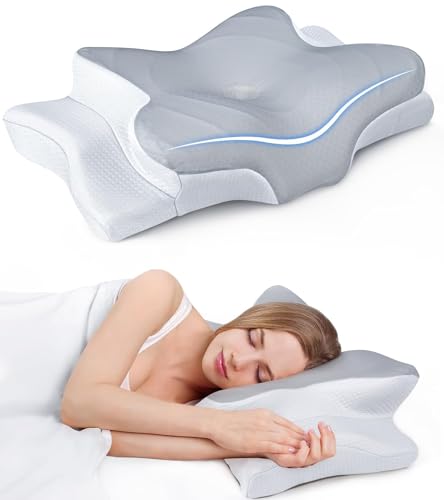
Ultra Pain Relief Cooling Pillow for Neck Support, Adjustable Cervical Pillow Cozy Sleeping, Odorless Ergonomic Contour Memory Foam Pillows, Orthopedic Bed Pillow for Side Back Stomach Sleeper
- Innovative Hollow Concave Design: Cradles head and aligns neck naturally
- Six Contour Zones for Support: Supports neck, shoulders, and arms effectively
- Cooling Pillowcase with Arc-Chill: Reduces skin temperature by 5℃ instantly
As an affiliate, we earn on qualifying purchases.
As an affiliate, we earn on qualifying purchases.

Lumbar Support Pillow for Office Chair,Mothers Day Gifts for Mom, Back Support Pillow for Car, Office Supplies, Chair Cushions, Back Pain Relief Improve Posture, Mesh Cover Double Adjustable Straps
- Extended, Adjustable Straps: Fits more chairs securely
- Ergonomic Back Support: Relieves back pain and tightness
- Supports Proper Posture: Maintains natural spinal curve
As an affiliate, we earn on qualifying purchases.
As an affiliate, we earn on qualifying purchases.