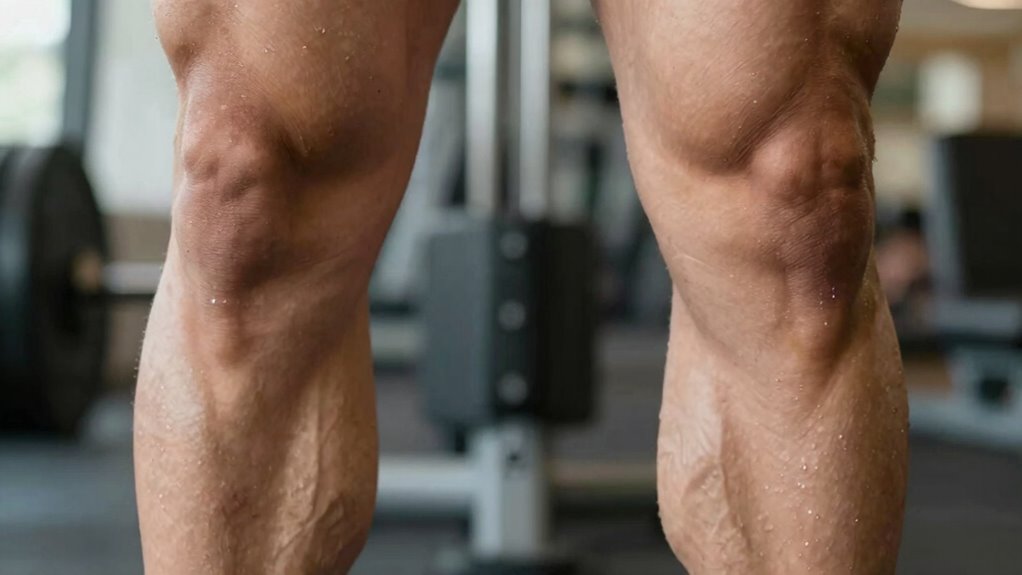

Tight calves often signal your recovery routine needs attention. They can indicate overtraining, dehydration, or insufficient stretching, making it important to listen to your body’s signals. Proper hydration, regular stretching, and adequate sleep support muscle relaxation and prevent tightness. If you ignore these signs, you risk injury or prolonged soreness. Paying attention to your calf signals can guide you to better recovery habits. Keep exploring to discover how to optimize your entire routine.

Get workout gear delivered free — and shop member deals
- Fast, free delivery on millions of items
- Access to Prime Big Deal Days deals on October 6–7
- Prime Video, Amazon Music and more included
Key Takeaways
- Persistent tight calves may indicate overtraining or insufficient rest in your recovery routine.
- Tightness can signal dehydration or electrolyte imbalances affecting overall muscle recovery.
- Regular calf tension suggests the need to adjust workout intensity or incorporate more recovery practices.
- Tight calves might reflect poor flexibility or neglected stretching, impacting your entire muscle health.
- Ongoing calf tightness could point to biomechanical issues requiring professional assessment for proper recovery.
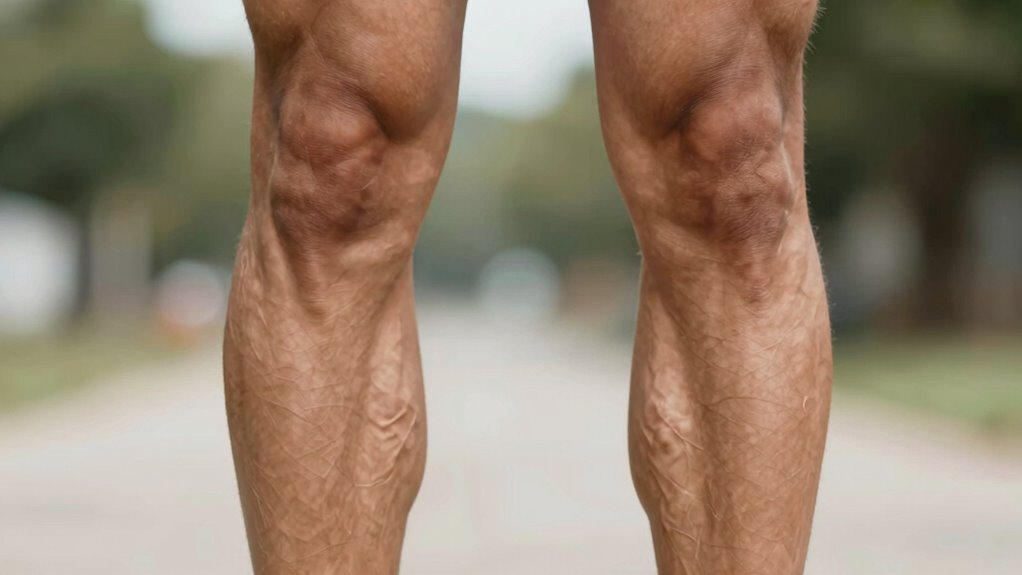
Have you ever wondered how to effectively recover your calves after a tough workout? Your calves can tell you a lot about your overall recovery routine, especially if they feel tight or sore. When your calves are constantly tense, it’s often a sign that your post-workout habits need some attention. Proper recovery isn’t just about resting; it involves strategic hydration, targeted stretching techniques, and listening to what your body is signaling.
Calf recovery signals your overall wellness—prioritize hydration, stretching, and listening to your body for optimal results.
Hydration strategies play an essential role in calf recovery. If you’re not replenishing fluids lost through sweat, your muscles—including your calves—may become cramped or tight. Drinking enough water helps flush out toxins and delivers essential nutrients to your muscles, speeding up recovery. Incorporate electrolyte-rich drinks if you’re engaging in intense or prolonged workouts, as minerals like potassium and magnesium are indispensable for muscle function. Without proper hydration, your muscles won’t relax fully, making tightness and soreness persist longer.
Stretching techniques are equally important. When your calves are tight, gentle stretching can release built-up tension and improve flexibility. Try calf stretches like the wall push-up or downward dog pose, holding each stretch for 20-30 seconds without bouncing. Consistent stretching helps elongate muscle fibers, preventing stiffness and reducing the risk of injury. It’s also beneficial to incorporate foam rolling or self-myofascial release to break down adhesions and improve blood flow, which accelerates healing.
Your recovery routine should also include paying attention to your body’s signals. If your calves feel tight regularly, it might mean you’re overtraining or not giving your muscles enough time to recover between sessions. Adjust your workout intensity or frequency to allow your calves to rest and rebuild. Incorporate active recovery days with light activities like walking or swimming, which promote circulation without overloading your muscles. Additionally, considering the use of natural pools or other sustainable practices can support your holistic recovery approach by reducing chemical exposure and fostering a more balanced environment for muscle health.
In addition to hydration and stretching, consider other recovery practices like adequate sleep, proper nutrition, and foam rolling. Sleep allows your muscles to repair tissue damage, while nutritious foods provide the building blocks for recovery. If tight calves persist, it may also point to imbalances in your training or biomechanical issues, so consulting a professional can be beneficial.
As an affiliate, we earn on qualifying purchases.
Frequently Asked Questions
Can Tight Calves Indicate Underlying Health Issues?
Tight calves can sometimes indicate underlying health issues like poor circulatory health or nutritional deficiencies. If you notice persistent tightness, it might be a sign your blood flow isn’t ideal or you’re lacking essential nutrients like magnesium or potassium. Addressing these issues through proper nutrition, hydration, and medical advice can improve your recovery. Don’t ignore ongoing calf tightness, as it could be a sign to check your overall health.
How Long Does Calf Tightness Typically Last?
Calf tightness usually lasts from a few hours to several days, depending on severity. If muscle overstretching caused it, recovery might take longer without proper hydration strategies. Staying well-hydrated helps muscles recover faster, reducing tightness duration. An interesting stat shows that 80% of athletes experience calf tightness during intense training. To speed up healing, gently stretch and hydrate consistently, and if tightness persists beyond a week, consult a healthcare professional.
Are Tight Calves More Common in Certain Sports?
Tight calves are more common in sports like running, basketball, and soccer, which demand repetitive calf muscle use. These sports increase your risk of running injuries and can hinder athletic performance. If your calves stay tight, it might signal overuse or insufficient recovery, impacting your overall performance. Addressing tightness through proper stretching, recovery routines, and strength training can help prevent injuries and improve your athletic results.
What Daily Habits Worsen Calf Tightness?
Poor hydration habits and inappropriate footwear choices can worsen your calf tightness. When you don’t drink enough water, your muscles don’t stay adequately lubricated, increasing stiffness. Wearing unsupportive shoes or those with improper fit puts extra strain on your calves, leading to tightness. To improve, stay well-hydrated throughout the day and choose footwear that supports your arches and allows natural movement, reducing calf muscle tension and promoting better recovery.
Can Calf Flexibility Improve Recovery Outcomes?
Your calf flexibility can substantially boost your recovery outcomes, almost like revealing a secret weapon. Incorporate targeted stretching routines to loosen tight muscles and address muscle imbalances that hinder progress. When your calves are more flexible, you’ll move more efficiently, reduce injury risk, and accelerate healing. Consistent stretching helps restore balance, making your entire recovery journey smoother and more effective. Don’t underestimate the power of flexible calves—they’re the foundation of true progress.
electrolyte hydration drinks for athletes
As an affiliate, we earn on qualifying purchases.
As an affiliate, we earn on qualifying purchases.
Conclusion
Tight calves often signal that your recovery routine needs a tune-up. Addressing this issue can improve overall flexibility and prevent injuries. Did you know that studies show 60% of athletes experience calf tightness as a sign of insufficient recovery? So, next time your calves feel tight, consider stretching, foam rolling, or adjusting your rest days. Small tweaks can lead to big improvements in your performance and long-term health.
calf muscle recovery massage ball
As an affiliate, we earn on qualifying purchases.
As an affiliate, we earn on qualifying purchases.
As an affiliate, we earn on qualifying purchases.
Fall Picks
fall essentials
As an affiliate, we earn on qualifying purchases.