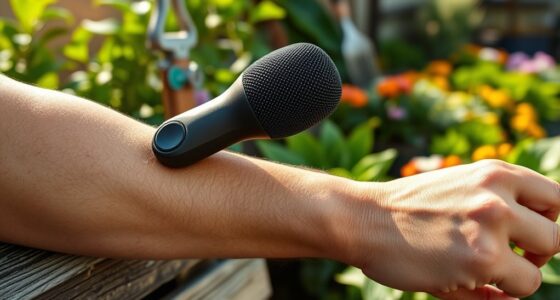
Percussion therapy helps you manage muscle fatigue during night shifts by promoting blood flow, reducing soreness, and speeding up recovery. Using a portable device or manual tapping, you can easily incorporate it into your post-shift routine to ease muscle tension and boost physical resilience. Regular use supports better rest, less overall fatigue, and helps keep your muscles ready for the demands of your next shift. Explore more tips to stay strong during long hours.

Get workout gear delivered free with Prime
- Fast, free delivery on millions of items
- Prime Video, Amazon Music and more included
- Member-only deals all year
Key Takeaways
- Percussion therapy stimulates blood flow, reducing muscle soreness and promoting faster recovery after long night shifts.
- Incorporating portable percussion devices into routines helps nurses manage fatigue and maintain physical readiness.
- Regular use of percussion therapy alleviates muscle stiffness caused by repetitive movements and prolonged standing.
- Active muscle recovery with percussion therapy supports alertness and decision-making during demanding shifts.
- Integrating percussion therapy into self-care routines enhances resilience, reduces injury risk, and promotes overall well-being for night shift nurses.

Have you ever wondered how percussion therapy can enhance patient outcomes and your nursing practice? If you’re working night shifts, you know how physically demanding your role can be, especially when it comes to managing your own muscle fatigue. Percussion therapy offers a practical solution that not only benefits your patients but also helps you stay energized and focused throughout your shift. By applying rhythmic, targeted taps to muscles, percussion therapy promotes muscle recovery and fatigue relief, allowing you to maintain ideal performance during those long hours. This technique can be especially effective for nurses who spend extended periods on their feet, engaging in repetitive movements that strain muscles and cause soreness.
When you incorporate percussion therapy into your routine, you actively support muscle recovery, which is vital after a physically taxing shift. It stimulates blood flow to the affected areas, accelerating the removal of metabolic waste and delivering oxygen and nutrients where they’re needed most. This process reduces muscle stiffness and soreness, helping you recover faster between shifts. As a result, you’re less likely to experience persistent fatigue that can impair your alertness and decision-making. The relief from muscle fatigue isn’t just about comfort; it directly impacts your ability to provide high-quality patient care. When muscles are less tense and sore, you’re more agile, less prone to injury, and better equipped to handle the physical demands of your role.
Percussion therapy is also easy to integrate into your daily routine. You can perform simple self-massage techniques using portable percussion devices or even manual tapping methods after your shift. Regular use encourages muscle flexibility and prevents the buildup of tension that often accompanies night shift work. Furthermore, it can serve as a relaxing activity that helps you unwind and transition into rest, improving your sleep quality—another critical factor for night shift workers. Additionally, understanding the importance of muscle recovery and incorporating therapies like percussion therapy can significantly enhance your resilience against the physical toll of nursing. By actively managing muscle fatigue, you not only improve your recovery time but also enhance your overall resilience against the physical toll of nursing.
Products Worth Considering

Therabody Theragun Mini Plus Portable Massage Gun with Heat

Hyperice Hypervolt 3 Percussion Massage Gun with Heated Head and Carry Case

Therabody Theragun Prime Plus Heated Deep Tissue Massage Gun, Black
As an affiliate, we earn on qualifying purchases.
Frequently Asked Questions
Are Percussion Devices Safe for All Nursing Staff?
Percussion devices are generally safe for nursing staff when used correctly, but device safety depends on proper staff training. You should receive thorough instruction on how to operate the device to avoid injury or misuse. Always follow manufacturer guidelines and hospital protocols. If you’re unsure about safety or technique, consult a supervisor or trained professional before using the device. Proper training guarantees effective therapy and minimizes any risk to staff.
How Often Should Nurses Use Percussion Therapy During Shifts?
Imagine you’re feeling muscle fatigue after a long night shift. You should use percussion therapy 2-3 times during your shift for effective muscle relaxation and fatigue management. This frequency helps prevent discomfort and encourages circulation. Listen to your body and don’t overdo it—regular, moderate use ensures you stay energized and reduce fatigue, making your shift more manageable and comfortable.
Can Percussion Therapy Replace Traditional Muscle Recovery Methods?
Percussion therapy can complement traditional muscle recovery methods but shouldn’t replace them entirely. It promotes muscle relaxation and enhances recovery, making it a useful addition to your routine. However, for thorough recovery, combine it with stretching, hydration, and rest. Using percussion therapy consistently helps manage fatigue during long night shifts, but a balanced approach ensures ideal muscle health and prevents over-reliance on a single method.
Are There Any Contraindications for Percussion Therapy in Nurses?
Yes, there are contraindications for percussion therapy you should be aware of. If you have a muscle strain or skin irritation, avoid using percussion therapy, as it could worsen your condition. Also, steer clear if you have blood clots, fractures, or infections in the area. Always consult a healthcare professional before starting treatment, especially if you’re unsure about your specific health conditions.
What Is the Recommended Duration for Each Percussion Session?
Think of percussion therapy as a gentle dance for your muscles. You should aim for each session to last about 10 to 15 minutes, following duration guidelines for effective relief. Keep in mind, session frequency matters—about 2 to 3 times daily works well. Always listen to your body, and if discomfort arises, reduce the duration or frequency to prevent overstimulation.
Conclusion
Don’t let muscle fatigue ruin your night shifts. Percussion therapy offers quick, effective relief that keeps you moving and focused. Some might think it’s just a luxury, but it’s a proven way to reduce soreness and boost your energy. By incorporating this simple tool into your routine, you’ll stay more alert and comfortable, ready to handle whatever your shift throws at you. Invest in yourself—you deserve to feel your best every night.