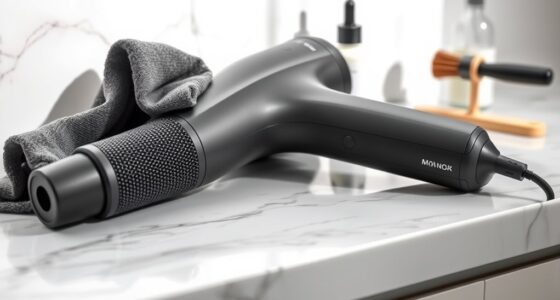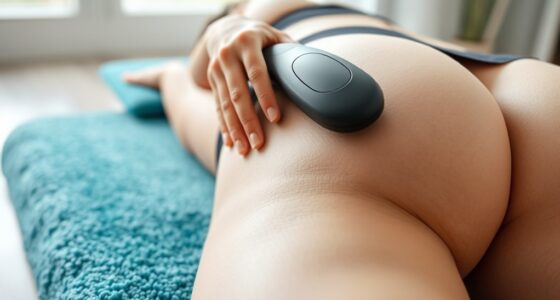

During percussive massage, focus on slow, deep breaths to promote relaxation and improve circulation. Practice diaphragmatic breathing by filling your belly with each inhale, calming your nervous system and releasing stored tension. Synchronize your breath with the massage, maintaining steady, mindful inhales and exhales to stay grounded and enhance tissue recovery. By consciously integrating these techniques, you’ll deepen your relaxation and optimize results—keep going to discover how to make this approach even more effective.

Get workout gear delivered free with Prime
- Fast, free delivery on millions of items
- Prime Video, Amazon Music and more included
- Member-only deals all year
Key Takeaways
- Practice mindful, slow breathing to promote relaxation and enhance the effectiveness of percussive massage.
- Synchronize your breath with the rhythm of percussive movements to deepen relaxation and improve circulation.
- Focus on diaphragmatic breathing, filling the lower lungs to activate the parasympathetic nervous system.
- Maintain steady, even breaths during the session to keep focus and facilitate waste removal.
- Start with deep breaths before the massage and continue mindful breathing to maximize restorative benefits.

Breathing techniques can substantially enhance the benefits of percussive massage by promoting relaxation and improving circulation. When you focus on your breath, you signal your body to relax, allowing the massage to penetrate deeper and work more effectively. One of the most effective methods is mindful breathing, which involves paying close attention to each inhale and exhale. This practice helps calm your nervous system, reduces muscle tension, and makes your overall experience more restorative. As you lie there, consciously slow your breath and observe how your chest rises and falls. This focus not only clears your mind but also primes your muscles to respond better to the massage.
Diaphragmatic relaxation, which emphasizes deep breathing from your belly rather than shallow chest breathing, plays a vital role during percussive therapy. When you engage your diaphragm, you activate your parasympathetic nervous system, encouraging your body to relax fully. To do this, place one hand on your chest and the other on your stomach. Breathe in deeply through your nose, aiming to fill your lower lungs and expand your abdomen. You should feel your stomach rise more than your chest. This type of breathing fosters a sense of calm and helps release tension stored deep within your muscles, especially when combined with percussive techniques that target specific areas.
Throughout your session, keep your breathing steady and intentional. As percussive massage stimulates your tissues, your breathing can serve as an anchor, grounding you in the present moment. If you notice your breath becoming shallow or irregular, gently redirect your focus back to mindful breathing. This synchronization between breath and movement enhances circulation, delivering oxygen and nutrients more efficiently to your muscles. It also helps flush out metabolic waste products, reducing soreness and speeding recovery. Additionally, practicing personal finance management principles such as budgeting and saving can help you allocate resources for wellness activities like massage therapy.
Incorporating diaphragmatic relaxation into your massage routine isn’t complicated, but it does require practice. Start by taking slow, deep breaths before your session begins, setting an intention to stay mindful of your breath throughout. During the massage, continue to breathe deeply and evenly, allowing your body to relax more with each exhale. Over time, this approach becomes second nature, making your massage sessions more effective and deeply restorative. By harnessing mindful breathing and diaphragmatic relaxation, you turn a simple massage into a holistic experience that nurtures both your body and mind.
Products Worth Considering

Therabody Theragun Relief Massage Gun, 3-Speed, Black

Therabody Theragun Mini 3rd Generation Massage Gun, Black

Bowflex SelectTech 840 Adjustable Kettlebell
As an affiliate, we earn on qualifying purchases.
Frequently Asked Questions
Can Breathing Techniques Reduce Post-Massage Soreness?
Yes, breathing techniques can help reduce post-massage soreness. When you focus on deep, controlled breathing, you activate your relaxation response, which eases muscle tension and promotes healing. This also enhances oxygen flow to your muscles, aiding recovery and reducing soreness. By practicing mindful breathing after a percussive massage, you support your body’s natural healing process, making post-massage soreness less intense and helping you feel more comfortable faster.
How Do Breathing Patterns Vary for Different Muscle Groups?
You should vary your breathing patterns based on the muscle group you’re targeting to enhance muscle engagement and promote relaxation. For larger, more engaged muscles, take deep, steady breaths to synchronize your breath with the massage, helping release tension. For smaller or more sensitive areas, adopt gentle, controlled breaths to maintain comfort. Breath synchronization helps optimize the massage’s effectiveness, ensuring you stay relaxed and responsive during different muscle group treatments.
Are There Contraindications for Specific Breathing Methods?
Yes, there are contraindications for specific breathing methods. If you have breathing restrictions or respiratory conditions like asthma or COPD, certain techniques may worsen your symptoms. Avoid deep or vigorous breathing exercises unless approved by a healthcare professional. Always listen to your body and adapt techniques to ensure comfort and safety. If you experience discomfort, stop immediately and consult your healthcare provider before continuing.
How Long Should I Practice Breathing During Massage Sessions?
You should practice breathing during massage sessions for about 5 to 10 minutes, adjusting based on your comfort. Focus on maintaining a steady breathing rhythm and deepening your breath gradually to enhance relaxation and effectiveness. If you feel lightheaded or uncomfortable, slow down or pause. Consistent, mindful breathing helps your body release tension and maximizes the benefits of percussive massage.
Can Breathing Techniques Help With Anxiety During Massage?
Like a knight wielding a sword, mindful breathing and diaphragmatic control can cut through your anxiety during massage. Yes, these techniques help calm your nervous system, making you feel more relaxed and centered. Focus on slow, deep breaths, engaging your diaphragm. This active approach reduces stress, helps you stay present, and enhances your massage experience, turning a tense moment into a peaceful retreat.
Conclusion
By focusing on your breath during percussive massage, you enhance relaxation and maximize benefits. Remember to breathe deeply and steadily, just like a seasoned yogi in an ancient monastery. Don’t forget, even if you’re tempted to rush like a modern-day speed freak, slowing down and syncing your breath helps your muscles unwind fully. So, embrace these techniques, breathe consciously, and let your body heal itself—because, as they say, a good breath is worth a thousand massages.